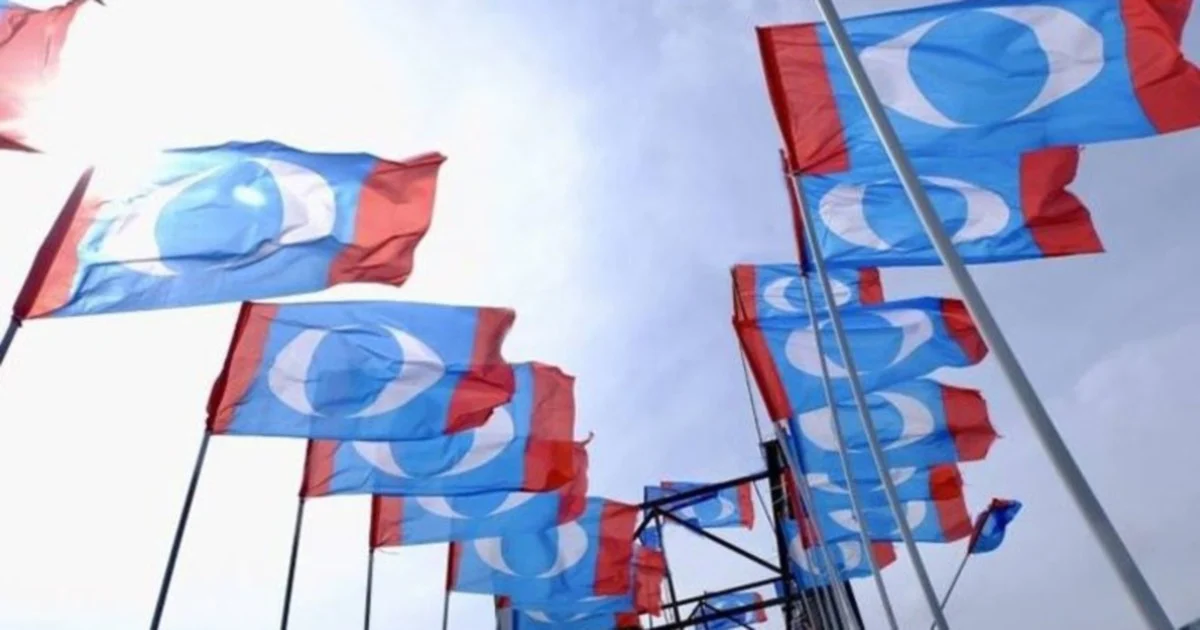
The People's Justice Party (PKR) is on the brink of completing its candidate selection process for the upcoming state elections in Johor and Negri Sembilan, signalling the coalition's readiness to contest what could be pivotal electoral contests in two strategically important Malaysian states. Party secretary-general Datuk Dr Fuziah Salleh announced from Johor Baru that the party's roster of aspirants has reached 99 per cent completion, leaving only minor adjustments before the final slate is locked in.
The near-completion of PKR's nomination list comes at a critical juncture for the political opposition in Malaysia. Both Johor and Negri Sembilan represent significant battlegrounds where voter sentiment and coalition dynamics could shift the balance of state-level governance. PKR's rapid progress in finalising its candidates suggests the party has prioritised these contests as central to its broader electoral strategy across the peninsula.
Fuziah's confirmation provides clarity for PKR members and coalition partners who have been awaiting the final roster. The meticulous candidate-selection process reflects the party's attempt to balance internal party dynamics, support for incumbent performers, and fresh faces that might broaden appeal among voters fatigued by traditional political narratives. In state-level elections, candidate selection often determines electoral outcomes more decisively than at federal level, making each nomination a calculated decision.
The timing of this announcement carries strategic importance. By releasing word that the candidate list is substantially complete, PKR signals operational competence and preparedness to both voters and its coalition allies, particularly the Democratic Action Party and Amanah. A well-organised nomination process can enhance voter confidence and demonstrate internal party discipline—qualities voters assess when deciding between competing coalitions.
For Johor specifically, PKR's candidate finalisation matters considerably given the state's economic significance and its role as Malaysia's third-largest economy. The state has historically been a barometer for national political sentiment, and successful candidate selection here could reinvigorate PKR's presence in a state where it has faced mixed electoral fortunes in recent contests. Candidates fielded in constituencies around Johor Baru, Kota Tinggi, and other key areas will face seasoned opponents from the ruling coalition.
Negri Sembilan, meanwhile, presents different electoral terrain. The state's smaller voter base and more compact geography mean candidate selection carries outsized importance. PKR must ensure its nominees can effectively challenge incumbents while resonating with rural and semi-urban populations that form the state's demographic backbone. The completion of this process suggests the party has identified candidates capable of mounting competitive campaigns across the state's various constituencies.
The 99 per cent completion figure indicates only marginal tweaking remains before official gazetting of candidates. These final refinements typically address last-minute logistical issues, candidate withdrawals due to unforeseen circumstances, or adjustments to ensure balanced representation across constituencies and demographic groups. The fact that the selection process reached such an advanced stage reflects months of internal deliberation, consultations with grassroots party members, and negotiations within the Pakatan Harapan coalition.
PKR's efficiency in this regard contrasts with previous electoral cycles where candidate selection disputes created internal friction and delayed announcements. A faster timeline this round suggests either strengthened internal processes or reduced contestation over nominations—both indicators of organisational health heading into what could be demanding campaign seasons for the party's machinery across two states.
Coalition coordination also factored significantly into candidate selection. PKR likely consulted with DAP and Amanah counterparts to avoid three-cornered contests and ensure optimal seat distribution that maximises opposition chances of capturing state governments. Such inter-coalition negotiations can prolong candidate finalisation, so PKR's ability to complete this process at 99 per cent suggests successful negotiation of these complexities.
The announcement comes as Malaysian political attention increasingly focuses on state-level contests following the conclusion of recent federal-level electoral cycles. State governments control land policy, local development, and spending priorities that directly affect voter daily lives. Strong performances in Johor and Negri Sembilan could provide PKR and the opposition coalition momentum heading into potential future federal elections and reinforce their relevance across Malaysia's political landscape.
For PKR members and supporters, the near-completion of candidate selection provides closure on a protracted process and clarity on the party's direction for these contests. Grassroots members now know whether party leaders endorsed their preferred candidates and can begin organising campaign machinery accordingly. This transition from selection to campaign mode typically energises party structures as members move from internal deliberation to external voter engagement.
The finalisation of this candidate list also closes a window for speculation and internal party manoeuvring. Once candidates are officially gazetted, focus shifts to campaign messaging, resource allocation, and voter outreach strategies. PKR's 99 per cent completion suggests this transition could occur imminently, allowing the party to concentrate on substantive campaign narratives rather than lingering candidate-selection controversies that might distract from the coalition's policy messaging to Johor and Negri Sembilan voters.


