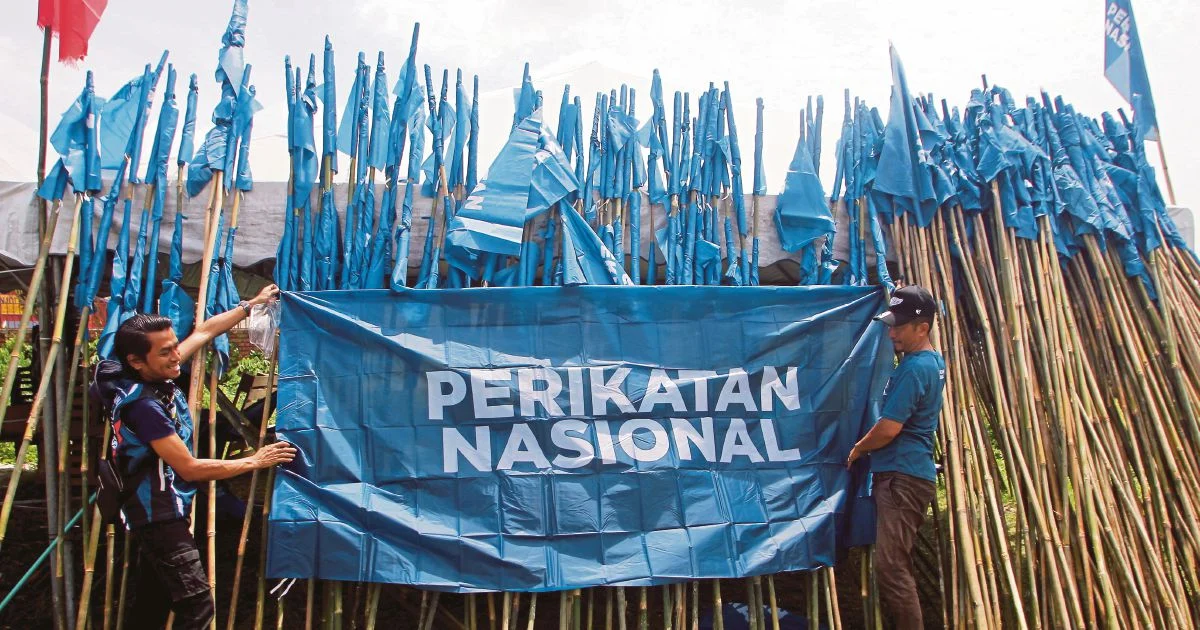
The Perikatan Nasional coalition's Supreme Council is scheduled to gather on June 22 in Kota Baru to navigate contentious internal matters that have increasingly strained relationships among member parties. At the centre of discussions will be clarification over the proprietary rights to the coalition's logo and the criteria governing which candidates receive formal backing from the broader alliance, issues that have festered without clear resolution and threaten the cohesion of this major opposition grouping.
The decision to convene the session reflects mounting pressure on PN leadership to establish definitive rules that all affiliated parties can accept, particularly as electoral cycles accelerate across Malaysia's diverse political landscape. Without transparent protocols on these foundational matters, the coalition risks fragmenting into competing factions that prioritise individual party interests over collective objectives. The June 22 meeting therefore carries significant weight in determining whether PN can maintain its recent trajectory as a formidable opposition force.
Loyal to its conventional structure, Perikatan Nasional operates through a tiered governance system where major decisions require consensus among the Supreme Council representatives of its constituent parties. This architecture, while designed to protect minority voices within the alliance, has occasionally created gridlock when fundamental disagreements emerge. The logo dispute exemplifies this tension, as different member parties have raised questions about usage rights, particularly regarding who may deploy the symbol in campaign materials and under what circumstances.
The candidate endorsement question presents equally complex implications. Member parties historically maintain autonomy in fielding their own candidates, yet a coalition-wide endorsement mechanism could amplify electoral chances in competitive constituencies by preventing vote-splitting. However, negotiating which hopefuls receive this privilege has proven contentious, with smaller parties fearing marginalisation if larger members dominate selection decisions. This dynamic mirrors tensions visible across Southeast Asian coalitions where power imbalances between partners constantly test unity.
For Malaysian observers, the outcome of this gathering matters considerably beyond PN's internal dynamics. As a principal opposition bloc, the coalition's stability directly influences the broader political competition between competing national visions. Should PN successfully resolve these issues, it could emerge strengthened and better organised for forthcoming electoral contests. Conversely, unresolved disagreements could splinter the alliance, redistributing its political weight across multiple smaller groupings and fragmenting the opposition landscape.
The timing of the June 22 session also warrants attention. Electoral cycles in Malaysian states operate on staggered schedules, with various assemblies approaching dissolution dates at different intervals. By establishing clear protocols now, PN positions itself to move decisively once dissolution announcements arrive, eliminating the delays that plague coalitions scrambling to coordinate responses mid-campaign. This preparatory approach reflects lessons learned from previous electoral cycles where organisational deficiencies cost the alliance competitive advantages.
Historically, Perikatan Nasional has experienced both cohesion and rupture depending on whether member parties perceive the alliance as advancing their particular interests. The coalition's formation represented a significant realignment of Malaysian opposition politics, bringing together parties with varying ideological foundations and regional strongholds. Maintaining this constellation requires constant attention to equity concerns and transparent decision-making processes that no single party can override unilaterally.
Regionally, PN's trajectory holds implications for how Southeast Asian oppositions organise and compete. Malaysia's multi-party system differs substantially from systems in neighbouring countries, yet questions about coalition governance, resource allocation, and strategic coordination resonate across the region. How PN resolves these contemporary challenges may offer instructive lessons for emerging opposition alliances elsewhere in Southeast Asia wrestling with similar structural dilemmas.
The Supreme Council meeting will demand considerable diplomatic skill from PN leadership. Facilitators must strike balances between larger and smaller parties, between ideologically distinct factions, and between local and national electoral priorities. They must also address practical questions about logo usage and branding that seem technical on surface but carry symbolic weight for parties concerned about identity dilution or marginalisation within the broader framework.
As Malaysia's political environment continues evolving, with demographic changes, urbanisation, and generational shifts reshaping electoral coalitions, multi-party alliances face mounting pressure to demonstrate adaptive capacity. The June 22 meeting represents an opportunity for PN to signal that it can govern itself effectively and make binding decisions that all members respect. Conversely, failure to achieve consensus on fundamental matters would suggest the coalition lacks the institutional maturity necessary to function as a credible alternative governing force.
Party observers from across the political spectrum will closely monitor the outcome of June 22 discussions, interpreting results as indicators of PN's internal health and strategic direction. Whether the coalition emerges with enforceable protocols that bind all members or whether it retreats into ambiguous compromises that postpone resolution will substantially influence perceptions of its viability and attractiveness to voters contemplating electoral choices in coming contests.


