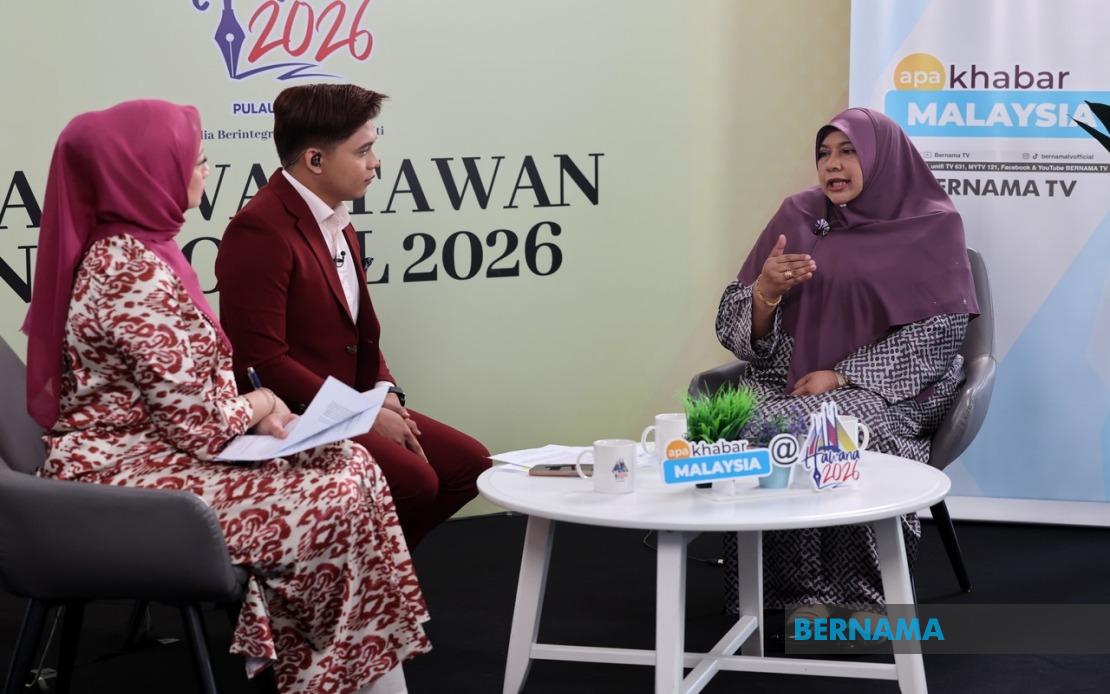
The culmination of National Journalists' Day celebrations reaches its peak tomorrow in Penang, as the country's media community convenes for the HAWANA 2026 summit. The gathering represents one of the nation's most significant annual assemblies of journalists, editors, broadcasters and content creators, underscoring the profession's commitment to truthful reporting and ethical practices. Prime Minister Datuk Seri Anwar Ibrahim will lead the proceedings at 3 pm, with approximately 1,000 media professionals expected to attend the occasion in Butterworth. The summit's central theme, "Media Integrity Strengthens Credibility", reflects growing concerns across Southeast Asia about misinformation and the media's fundamental role in preserving democratic discourse and public trust.
The gathering reflects recognition from Malaysia's leadership that journalism remains essential infrastructure for informed citizenship. Beyond the ceremonial aspects, the summit functions as a professional networking hub where journalists can strengthen relationships, exchange experiences and establish connections that transcend individual newsrooms. Communications Minister Datuk Fahmi Fadzil's participation signals government acknowledgement of media's importance, while Penang Chief Minister Chow Kon Yeow's attendance demonstrates state-level support for the profession. The event also brings together senior figures from Malaysia's major news organisations, including Bernama chairman Datuk Seri Wong Chun Wai and chief executive officer Datin Paduka Nur-ul Afida Kamaludin, creating a rare convergence of the nation's media establishment.
Nur-ul Afida, who chairs the HAWANA 2026 Working Committee, emphasised that the summit transcends mere celebration of journalistic achievement. Instead, it serves as a bridge between media practitioners and the broader public, demystifying the profession and fostering understanding of journalism's societal contributions. By inviting community engagement, the organisers acknowledge that media credibility ultimately depends on public confidence—a particularly relevant consideration given regional challenges with misinformation and declining trust in institutions. The inclusion of MyCreative Venture, a ministry partner agency, broadens the event's scope to encompass creative industries and demonstrates government's holistic approach to supporting information ecosystems.
The companion RIUH Pi HAWANA Carnival, running concurrently at the PICCA Convention Centre, transforms what might otherwise remain an industry-focused event into genuine public engagement. Featuring performances from local artists including Bunkface, Masdo and Sakura Band, alongside 24 creative product brands and 20 food vendors, the carnival reflects recognition that media professionals operate within broader cultural contexts. Interactive workshops offer visitors practical insights into journalism, content creation and media literacy—skills increasingly valuable in an era where information consumption patterns have fundamentally shifted. This approach contrasts with traditional professional conferences by deliberately erasing boundaries between practitioners and audiences.
Tomorrow's ceremony will include several significant formal components. Prime Minister Anwar is scheduled to present contributions from Tabung Kasih@HAWANA to journalists facing financial hardship, acknowledging the profession's occasional struggles with compensation and working conditions. The presentation of HAWANA Awards and HAWANA Special Awards will recognise individuals whose contributions have shaped journalism's trajectory and influenced public discourse. Additionally, prizes will be awarded to winners of the HAWANA-DBP Pantun Festival held in May, integrating traditional literary forms into celebrations of contemporary media practice. These multiple components create a multifaceted commemoration addressing different dimensions of journalism's social role.
Broad media coverage ensures the summit's reach extends far beyond Penang's physical venue. Bernama TV will broadcast proceedings live, while Radio Television Malaysia and TV AlHijrah will provide continued coverage, and local social media platforms will amplify messaging to younger audiences. This multimedia distribution strategy ensures journalists and media enthusiasts nationwide can engage with the event's content and messages, effectively making the summit a national occasion despite its single geographic location. For Malaysian journalists working in smaller markets or regional offices, such coverage provides connection to the profession's broader community and professional standards.
HAWANA's origins trace to May 29, 1939, when Utusan Melayu published its first edition, marking a foundational moment in Malaysia's modern media history. The annual commemoration on May 29 acknowledges media practitioners' historical contributions to national development and independence. This historical consciousness matters particularly in Southeast Asia, where journalism's role in nation-building remains part of living memory and continues shaping professional identity. By anchoring contemporary celebrations in this historical narrative, organisers situate present-day media challenges within longer arcs of professional evolution and societal change.
The Ministry of Communications' decision to position HAWANA as its primary appreciation platform for media practitioners reflects governmental understanding that media relationships require cultivation. Rather than viewing journalists as mere observers of policy implementation, this approach recognises them as stakeholders in governance communication and information distribution. The ministry's partnership with Bernama as implementing agency leverages the national news agency's established infrastructure and credibility, ensuring the summit operates with institutional backing. This structural arrangement has evolved over previous years, with preceding events including the HAWANA 2026 Media Forum on May 7, a strategic partners meeting on June 4, and a community Fun Walk on June 14.
For Malaysian media practitioners, particularly those working in competitive commercial environments, HAWANA provides rare institutional space for reflecting on professional values amid commercial pressures. The summit's emphasis on integrity and credibility implicitly acknowledges tensions between journalistic ideals and business imperatives that characterise contemporary media operations. By gathering journalists across competing organisations under shared professional banners, the event reinforces that standards transcend individual newsroom interests. This professional solidarity becomes increasingly important as Malaysian media navigates digital transformation, audience fragmentation and evolving business models that sometimes conflict with traditional editorial values.
Regionally, Malaysia's HAWANA summit reflects patterns visible across Southeast Asia, where governments and professional bodies increasingly emphasise media's democratic responsibilities. Thailand, Indonesia and the Philippines have similarly institutionalised celebrations of journalism while simultaneously grappling with threats to press freedom and misinformation challenges. Malaysia's approach—combining state support with professional autonomy and public engagement—represents one regional model for sustaining journalism's credibility infrastructure. The summit's inclusive approach, embracing both establishment figures and creative practitioners, suggests recognition that media's future depends on diverse voices and perspectives rather than centralised information control.
Looking forward, HAWANA 2026 occurs at a critical juncture for journalism globally. Artificial intelligence, algorithmic content distribution, and declining revenue models challenge traditional journalism's sustainability across Southeast Asia. By investing in professional community-building and emphasising integrity, Malaysian organisers signal commitment to journalism's continued viability despite technological disruption. The summit implicitly poses questions about what journalism becomes if integrity erodes, and what society loses when credible information sources diminish. For Malaysian newsrooms facing these pressures, the occasion provides opportunity to reaffirm professional standards and collective identity amid unprecedented change. The gathering tomorrow thus transcends ceremonial significance, representing instead an affirmation of journalism's enduring importance to democratic governance and informed public discourse in Malaysia and the wider region.


