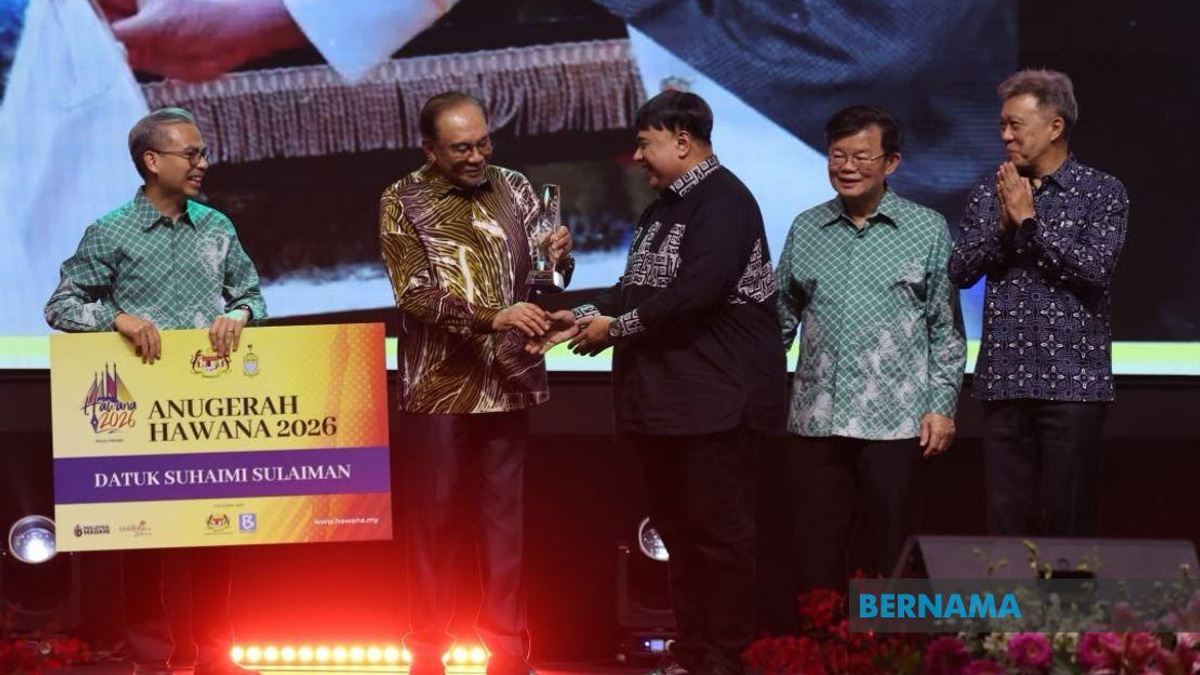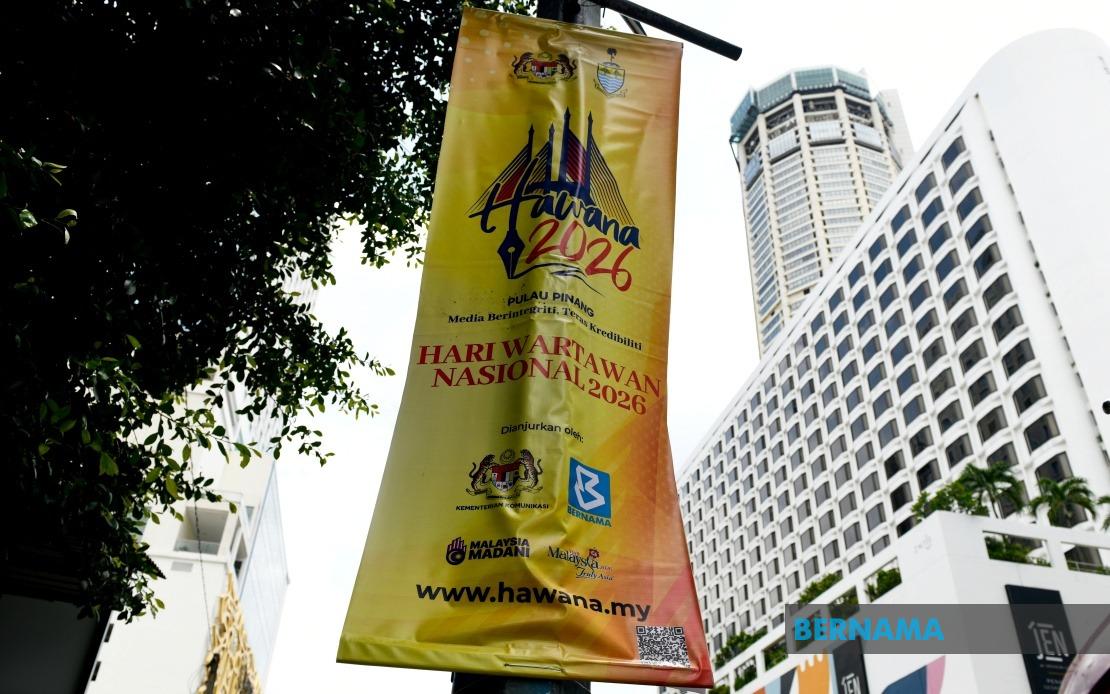
Penang is gearing up to welcome one of Malaysia's most significant media industry events this weekend, with Chief Minister Chow Kon Yeow expressing strong confidence in delivering a successful celebration of the nation's journalists. The HAWANA 2026 Summit, formally known as National Journalists' Day, represents a pivotal moment for Malaysia's media sector to gather, reflect on shared challenges, and reaffirm professional standards amid a rapidly evolving information landscape.
Chow outlined the state government's extensive groundwork during a media briefing in George Town, emphasizing that collaborative efforts with the Communications Ministry over the past two to three months have been instrumental in finalizing logistical arrangements. This coordination underscores how major national celebrations increasingly require seamless alignment between federal agencies and state governments, a pattern particularly relevant as Malaysia continues decentralizing event hosting responsibilities beyond Kuala Lumpur.
The centerpiece of the weekend's programming is the HAWANA 2026 Summit, scheduled to take place at PICCA Convention Centre @ Butterworth Arena on June 20. Prime Minister Datuk Seri Anwar Ibrahim will officiate the opening ceremony, signaling the federal government's commitment to elevating the media profession's status within Malaysia's democratic framework. The gathering is anticipated to convene approximately 1,000 media practitioners from across Malaysia and internationally, creating a rare platform for knowledge exchange and professional networking among journalists, editors, news directors, and media executives.
The overarching theme of this year's celebration—"Media Integrity Strengthens Credibility"—reflects persistent concerns about journalistic standards and public trust in news reporting. This thematic focus carries particular resonance in Southeast Asia, where media landscapes have become increasingly fragmented by digital platforms, misinformation, and competing narratives. By anchoring HAWANA 2026 around integrity, Malaysian journalism seeks to reassert its foundational principles and demonstrate to the broader public that the profession remains committed to truthful, accountable reporting despite economic pressures and technological disruption.
Parallel to the summit, the state government is hosting a media dinner featuring Penang Governor Tun Ramli Ngah Talib, extending the celebration's engagement with political leadership and reinforcing the relationship between the media and governance structures. Such occasions, while ceremonial in nature, establish important dialogue channels between journalists and officials and provide opportunities for understanding mutual expectations around press freedom and journalistic access.
Beyond the formal summit, organizers have crafted a broader celebration experience through the RIUH Pi HAWANA Carnival, a three-day extravaganza designed to bring journalism and media culture to the general public. Running concurrently at PICCA Convention Centre @ Butterworth Arena, the carnival is projected to attract approximately 30,000 visitors, transforming what might otherwise be an industry-focused event into a community celebration. This approach democratizes engagement with media issues and introduces younger audiences to creative industries connected with journalism.
The carnival's programming reflects careful curation to balance commercial and cultural elements. More than 24 local creative product brands and 20 food and beverage vendors populate the exhibition space, providing entrepreneurs in Malaysia's growing creative economy with visibility and sales opportunities. The inclusion of these vendors acknowledges that media and creative industries increasingly operate within interconnected ecosystems, particularly in digital content creation where the boundaries between traditional journalism, entertainment, and creative entrepreneurship have become porous.
Twelve interactive workshops embedded within the carnival programming offer hands-on opportunities for public participation in creative activities. Rather than positioning journalism as a distant, elite profession, these sessions invite ordinary Malaysians to experiment with media-making tools and understand newsroom processes firsthand. Such initiatives carry pedagogical value in an era when media literacy remains uneven across Malaysia's diverse population, and when understanding how information is gathered and disseminated becomes essential democratic citizenship.
The entertainment component features 16 free stage performances by established and emerging Malaysian artists, including acts such as Exists, Bunkface, Masdo, Sakura Band, Budak Nakal Hujung Simpang, and Chelsea Ng. Programming local talent alongside journalists and media professionals creates cultural continuity; music, performance, and journalism all represent forms of creative expression and cultural commentary, and joint celebration acknowledges these shared artistic foundations.
Chow's assertion that Penang has "contributed to the success of this programme" signals the state government's significant financial and logistical investment in hosting the event. For Penang, positioning itself as a venue for national media industry gatherings enhances the state's profile as a hub for knowledge-based industries and professional development. The decision to hold HAWANA 2026 in Penang, rather than the federal capital, represents a deliberate decentralization strategy that brings national spotlight events to regional centers and demonstrates confidence in state-level capacity to execute complex, large-scale programming.
The Communications Ministry's designation of Bernama, the Malaysian National News Agency, as the implementing partner reflects institutional confidence in the wire agency's organizational capabilities and its standing as the country's official news backbone. Bernama's coordinating role ensures standardized implementation of the event's professional standards and messaging, while also leveraging the agency's extensive networks within Malaysia's journalism community.
As Malaysia continues navigating questions about media freedom, journalistic independence, and public trust in institutions, HAWANA 2026 serves as both celebration and recalibration point. The gathering provides space for media practitioners to demonstrate commitment to professional ethics, engage with evolving technological and editorial challenges, and reinforce journalism's essential democratic functions. For readers in Malaysia and Southeast Asia, the event signals that despite pressures and skepticism, the journalism profession remains organized, reflective, and determined to maintain standards that serve public interest.