%22%2F%3E%3C%2Fpattern%3E%3C%2Fdefs%3E%3Crect%20width%3D%22100%25%22%20height%3D%22100%25%22%20fill%3D%22url(%23ph4id7qg)%22%2F%3E%3Crect%20width%3D%22100%25%22%20height%3D%22100%25%22%20fill%3D%22url(%23ph4id7qp)%22%2F%3E%3Ctext%20x%3D%2250%25%22%20y%3D%2250%25%22%20text-anchor%3D%22middle%22%20dominant-baseline%3D%22central%22%20fill%3D%22rgba(255%2C255%2C255%2C0.95)%22%20font-family%3D%22Georgia%2C%20'Times%20New%20Roman'%2C%20serif%22%20font-weight%3D%22700%22%20font-size%3D%22226%22%20letter-spacing%3D%22-0.02em%22%3EPenang%3C%2Ftext%3E%3C%2Fsvg%3E)
Law enforcement in Penang has unveiled a multi-layered security and traffic management strategy designed to facilitate the smooth progression of the HAWANA 2026 National Journalists' Day celebration at PICCA Convention Centre @ Butterworth Arena, reassuring residents that essential transportation routes will remain unobstructed throughout the three-day event. Penang police chief Datuk Azizee Ismail confirmed that preparations draw directly from the operational blueprint successfully executed during Malaysia Day 2025 at the same venue, allowing authorities to deploy proven methodologies for handling large-scale gatherings in the Butterworth corridor.
The decision to preserve main road accessibility represents a significant departure from typical event management protocols that often necessitate complete closures. Rather than shutting down major thoroughfares, traffic police will execute coordinated diversions at strategic junctures, positioning personnel at principal intersections to regulate vehicle movement and maintain fluid circulation. This approach balances the dual imperatives of hosting a prestigious national event whilst minimising inconvenience to commuters and businesses dependent on uninterrupted access to the affected areas.
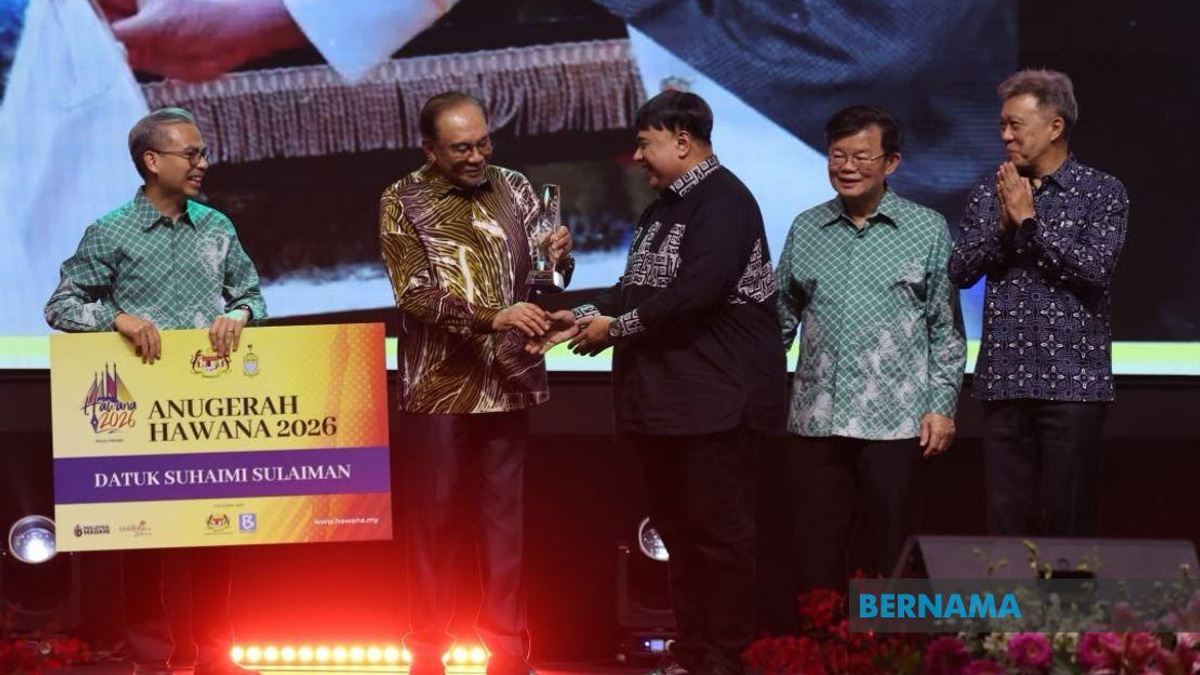
The forthcoming summit, scheduled to commence on June 20 with opening remarks by Prime Minister Datuk Seri Anwar Ibrahim, anticipates the convergence of approximately 1,000 media practitioners representing both domestic and international news organisations. This significant gathering underscores Malaysia's commitment to honouring journalistic contributions whilst establishing a collaborative platform for the country's media sector to engage in substantive dialogue around professional standards and ethical practice.
Central to this year's gathering is the thematic focus on "Media Integrity Strengthens Credibility," a concept increasingly resonant across Southeast Asia where press freedom and information reliability face mounting scrutiny. The summit, coordinated by the Ministry of Communications with the Malaysian National News Agency (Bernama) as the principal implementing body, serves as a culminating recognition of the dedication, resilience, and professionalism that Malaysian journalists demonstrate across diverse platforms and challenging operating environments.
Datuk Azizee emphasised that the intensity of security and traffic control personnel mobilised will match the scale deployed during the previous Malaysia Day event, reflecting confidence in the effectiveness of that earlier operation. This calibrated approach allows authorities to anticipate crowd dynamics and potential congestion points with greater accuracy, having previously managed similar visitor volumes and participant numbers within the same physical infrastructure.
Parallel to the professional summit, the Riuh Pi HAWANA Carnival will operate concurrently at the Butterworth venue, projecting attendance of approximately 30,000 visitors across the three-day period. This companion programme transforms the event into a broader public engagement initiative, extending beyond journalist-focused discourse to encompass community participation and creative expression. The carnival will feature more than 24 local creative product brands alongside 20 food and beverage establishments, creating a vibrant commercial and cultural ecosystem.
The entertainment component comprises 16 stage performances showcasing established and emerging Malaysian artists including Exists, Bunkfac, Masdo, Sakura Band, Budak Nakal Hujung Simpang, and Chelsea Ng, all offered at no admission charge. This commitment to free public access democratises participation, enabling diverse socioeconomic groups within the Penang community to experience cultural programming that might otherwise require financial outlay. Interactive workshops embedded throughout the carnival space provide attendees with practical exposure to creative industries and contemporary artistic techniques.
For Malaysian readers and particularly Penang residents, the security framework represents an attempt to balance competing urban priorities. The region's economic vitality depends on predictable, reliable infrastructure accessibility, and any event management strategy must accommodate the practical realities of daily commerce, industrial operations, and household routines. By maintaining core road functionality whilst implementing targeted diversions, authorities signal an understanding that public events, however culturally significant, cannot be permitted to inflict lasting disruption upon the communities hosting them.
The operational parallels with Malaysia Day 2025 suggest institutional learning and confidence in tested protocols. Rather than improvising novel approaches for a substantially larger gathering, law enforcement is implementing proven systems already calibrated to local traffic patterns, intersection capacities, and crowd behaviour dynamics. This institutional continuity, while potentially less innovative than bespoke solutions, provides measurable assurance to both event planners and affected residents regarding predictable outcomes.
Datuk Azizee explicitly advised the public to cooperate with traffic personnel instructions and to plan journey timing proactively, acknowledging that despite comprehensive management, some congestion remains inevitable given the scale of the gathering. This transparent communication strategy—neither minimising challenges nor catastrophising potential disruptions—establishes realistic expectations and encourages personal responsibility among road users. Advance planning can substantially mitigate perceived inconvenience when individuals adjust their movements to avoid peak hours and known congestion zones.
The HAWANA 2026 gathering arrives at a moment when Malaysian media confronts multifaceted pressures spanning technological disruption, economic uncertainty, regulatory scrutiny, and global information warfare. Convening 1,000 practitioners to deliberate media integrity and credibility acknowledges these contemporary challenges whilst reaffirming institutional commitment to professional journalism as foundational to democratic governance. The accompanying carnival, meanwhile, cultivates public understanding of creative industries and media production, potentially nurturing future generations of communicators.
For Southeast Asian observers, the Penang event exemplifies how regional governments increasingly integrate multiple constituencies—media professionals, creative industries, commercial vendors, and general audiences—within single organisational frameworks. This convergence reflects broader recognition that information production, creative expression, and community engagement constitute interconnected dimensions of contemporary urban life rather than discrete, siloed functions.