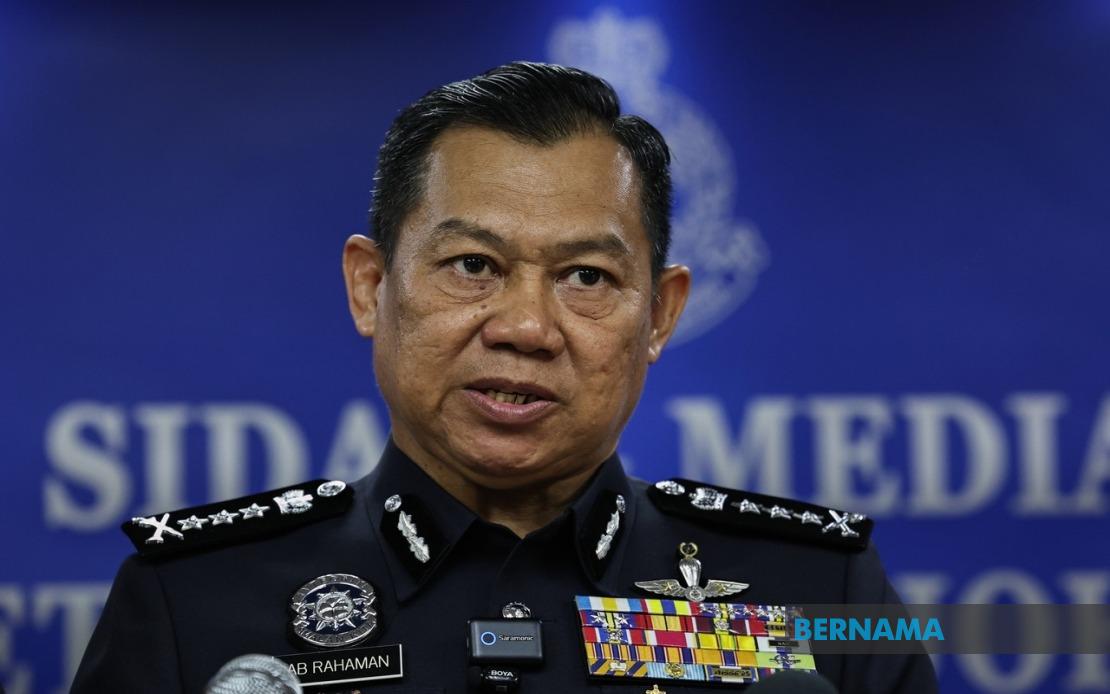
The Royal Malaysia Police (PDRM) is preparing an extensive security deployment ahead of the Johor State Election, mobilising nearly 12,000 officers and personnel to manage operations across multiple phases. Johor Police Chief Datuk Ab Rahaman Arsad outlined the comprehensive arrangement at the Johor Police Contingent Headquarters, emphasizing that the scale of the deployment would be calibrated to match the demands of each stage in the electoral process.
The five-phase deployment structure reflects the complexity of managing security during a major democratic exercise in Malaysia's second-largest state. Rather than maintaining a uniform presence throughout, PDRM will adjust its operational posture at each critical juncture, from the pre-election period through to the conclusion of vote counting. This phased approach allows police resources to be concentrated where and when they are most needed, ensuring both effective security and cost-efficient deployment of personnel.
For Malaysian readers accustomed to the scale of federal elections, the size of this police presence for a state poll underscores Johor's strategic importance to the nation. As a state bordering Singapore and serving as a crucial economic hub, the maintenance of order in Johor carries implications beyond regional politics. The election itself has attracted keen observation from observers across the country, making the police's role in facilitating transparent and secure voting particularly significant.
Beyond the core PDRM contingent, the police chief confirmed that the state force would receive substantial reinforcement from specialised units operating under the Internal Security and Public Order Department (KDNKA). This interagency coordination brings together elements specifically trained in managing large-scale public gatherings and maintaining security infrastructure during high-stakes events. The additional personnel structure includes units traditionally deployed for sensitive operations where specialist skills prove essential.
The breakdown of supporting forces reveals the depth of preparation involved. The deployment incorporates 54 officers and 701 personnel drawn from the General Operations Force, a paramilitary unit with extensive experience in security operations, alongside members of the Federal Reserve Unit, which maintains quick-response capabilities for emergencies. The inclusion of PDRM Air Unit and Marine Police Force demonstrates that security planning extends to all possible approaches into the state, reflecting awareness of contemporary security challenges.
For observers in other Southeast Asian democracies, Malaysia's approach to election security represents one model for balancing the need for order with the imperatives of democratic freedom. Unlike some regional counterparts where military involvement in elections remains contentious, Malaysia's reliance on police as the primary security agency reflects the constitutional framework within which the state operates. Nevertheless, the sheer numerical commitment invites scrutiny regarding whether such density of police presence might influence voter behaviour or public perception of the election's neutrality.
The decision to deploy such substantial resources also reflects lessons learned from previous state elections and the particular sensitivities surrounding Johor's political landscape. The state has witnessed competitive elections in recent years, with shifting voter preferences and close contests that demand robust security to prevent post-election tensions. By committing resources proportionate to potential flashpoints, PDRM signals intent to manage outcomes professionally regardless of results.
The timing of this announcement—with the detailed operational breakdown coming from the state police chief rather than federal authorities—indicates that Johor Police Command has been granted significant autonomy in election security planning. This localised approach potentially allows for security measures tailored to Johor's specific geography, demographics, and known political dynamics, rather than applying standardised protocols developed for generic scenarios.
For Malaysian businesses and foreign investors monitoring the state's stability, the police's transparent commitment to comprehensive security arrangements provides reassurance that electoral competition will not disrupt economic activity or investor confidence. Johor's position as an industrial and commercial centre means that any perception of disorder during the election period could have ripple effects throughout the region's supply chains and business operations.
The coordination between PDRM and KDNKA units also signals investment in preparation that extends beyond the voting day itself. Election security encompasses the pre-polling period—when campaign activities intensify—through the counting process, when tensions sometimes peak. By declaring upfront that resources will be adjusted according to operational needs, authorities signal flexibility to respond to emerging challenges without requiring ad hoc mobilisation during the election itself.
Looking ahead, the success of this deployment will likely establish precedents for future state elections elsewhere in Malaysia. How effectively PDRM manages the five-phase operation while maintaining public confidence in the election's integrity and freedom will influence perceptions of police professionalism across the nation. The exercise also provides practical experience for officers in managing contemporary election security, incorporating lessons from global best practices in democratic administration.
Ultimately, the deployment of 11,926 personnel represents more than a logistical exercise in crowd management and security provision. It embodies the Malaysian state's commitment to protecting the electoral process itself as a cornerstone institution, ensuring that citizens can exercise their democratic franchise without fear of disruption or disorder. For a region where election-related tensions occasionally escalate into conflict, Malaysia's institutional approach offers a model worth studying.