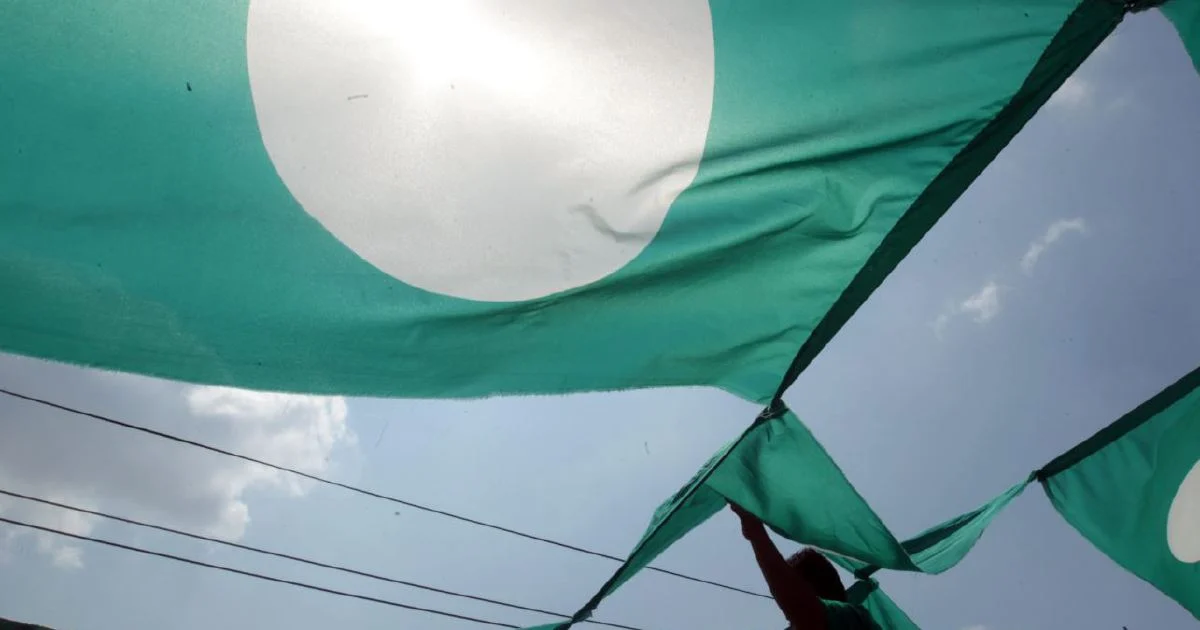
The Malaysian political landscape shifted perceptibly on Tuesday as several prominent PAS leaders converged at the party's Jalan Raja Laut headquarters in Kuala Lumpur for a pre-council meeting of opposition members of parliament. The gathering underscores mounting strain within the opposition alliance, particularly between PAS and Bersatu, two parties whose relationship has deteriorated significantly in recent weeks over strategic differences and power-sharing arrangements.
The convening of opposition MPs ahead of a broader council session typically signals preparation for coordinated action or response to government initiatives. For PAS, which has emerged as a major player in Malaysian politics since the 2022 general election, such internal meetings serve to align leadership positions and ensure disciplined messaging across its parliamentary bloc. The party's consistent strengthening at the ballot box has emboldened senior officials to take firmer stances on coalition dynamics.
Tensions between PAS and Bersatu have crystallised around several contentious issues affecting the opposition's effectiveness and public perception. The two parties, despite sharing the opposition benches, have increasingly diverged on fundamental questions about coalition governance, accountability measures, and the proper balance between Islamic governance priorities and pluralistic democratic principles. These philosophical differences have manifested in public disagreements and backroom negotiations that have strained personal relationships between top leadership figures.
Bersatu, led by Muhyiddin Yassin, has sought to position itself as a centrist force capable of bridging Malay-Muslim concerns with broader national interests. PAS, representing the Islamic opposition, has prioritised its religious and moral agenda within the broader opposition framework. This ideological tension has repeatedly surfaced during parliamentary sessions, where voting patterns and public statements have occasionally diverged from a unified opposition stance. Malaysian political observers have noted that coalition cohesion problems of this magnitude typically foreshadow either fundamental restructuring or potential realignment.
The geographical concentration of opposition strength in certain states and urban centres has amplified these leadership tensions. PAS controls significant influence in Terengganu and Kelantan, where it governs state governments, while Bersatu has struggled to maintain political relevance beyond its initial post-2022 consolidation. This asymmetry in electoral fortunes has empowered PAS to demand greater influence over opposition direction, creating friction when Bersatu leadership attempts to chart independent courses on major policy questions.
International observers and regional analysts have noted that Malaysian opposition stability carries implications beyond domestic politics. Southeast Asia's largest democracy requires a functional opposition to maintain institutional checks and democratic health. When coalition partners fracture over personality clashes and ideological disputes rather than substantive policy disagreements, it undermines the opposition's capacity to present coherent alternatives to government initiatives. The instability also affects investor confidence and regional diplomatic calculations, as Malaysia's political trajectory influences broader Southeast Asian geopolitical positioning.
The opposition's pre-council meeting structure reflects an attempt to maintain organisational discipline despite these centrifugal pressures. By gathering parliamentary members before full leadership councils convene, party hierarchies can resolve internal disagreements and present unified positions to the media and public. However, when such preparatory sessions become necessary with increasing frequency, it often indicates underlying problems that structural mechanisms cannot fully address. Leadership sources within the opposition have privately acknowledged that maintaining coalition unity requires constant negotiation and compromise.
For PAS specifically, the Kuala Lumpur gathering represents an opportunity to consolidate support among its parliamentary contingent and prepare responses to government policies affecting its constituencies. The party's significant representation in parliament means its internal deliberations influence opposition strategy on critical votes, budgetary allocations, and legislative initiatives. The meetings also serve to reinforce party discipline among MPs who might otherwise be tempted by financial incentives or career advancement opportunities offered by the ruling coalition.
The broader context of Malaysian politics suggests that opposition fissures benefit incumbent governments by fragmenting scrutiny and reducing institutional accountability. When opposition parties expend energy managing internal conflicts, they have fewer resources for aggressive parliamentary oversight, constituent service, and policy development. This dynamic has historically allowed ruling coalitions to pass legislation and allocate resources with minimal obstruction. The current tensions between PAS and Bersatu therefore have ramifications extending far beyond the two parties themselves.
Looking ahead, political analysts anticipate that these tensions will likely intensify unless leadership intervenes with concrete agreements on coalition governance. The 2023-2024 period has already witnessed multiple instances where opposition unity fractured on votes deemed significant by backbenchers and grassroots supporters. Without mechanisms to resolve these disputes transparently, further high-profile disagreements appear inevitable. The question facing Malaysian politics concerns whether opposition parties can prioritise collective institutional strength over individual party advantage and leader ego.