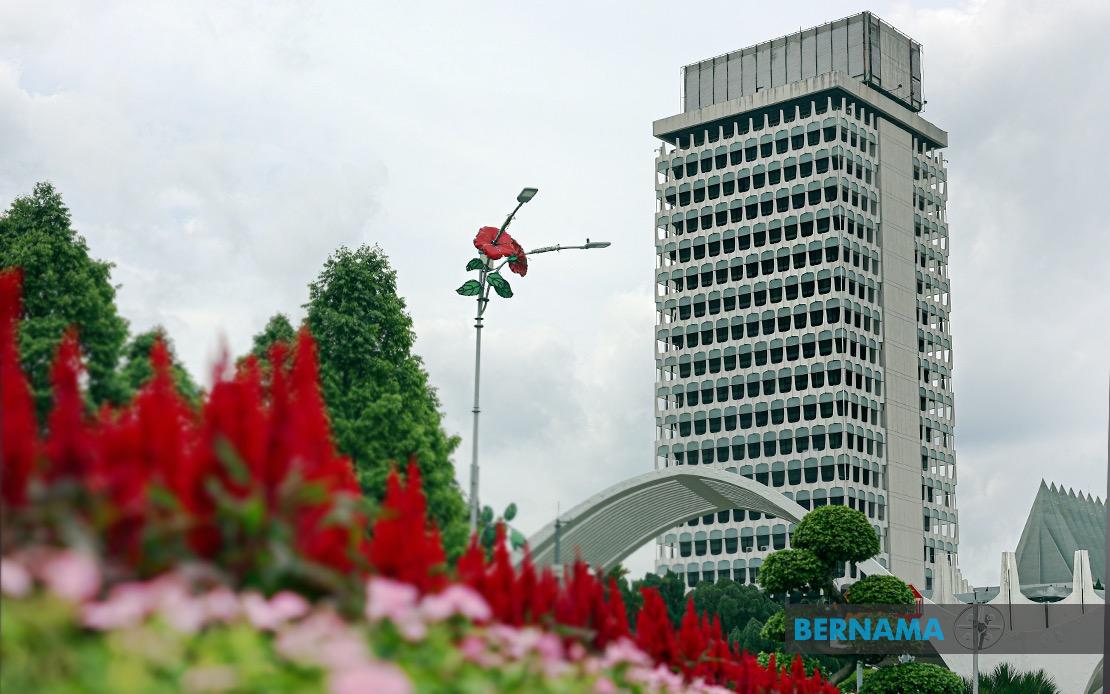
Malaysia's Parliament will reconvene Monday for the Second Meeting of the Fifth Session of the 15th Dewan Rakyat, marking a significant legislative moment as lawmakers tackle constitutional reforms and critical safety measures. The sitting, scheduled to run through July 16, brings renewed focus to constitutional amendments that failed to secure the necessary two-thirds majority during the previous parliamentary session, signalling ongoing political negotiations around core governance structures.
Two Constitution (Amendment) Bills dominate the agenda, both returning for reconsideration after stalling in the first meeting. The Constitution (Amendment) Bill 2026 proposes imposing a 10-year tenure limit on the prime minister's office, a structural reform that has proven contentious in Parliament's complex political arithmetic. This measure represents a significant constitutional intervention in executive power, reflecting broader debates about governance stability and institutional checks. The unsuccessful passage during the earlier meeting underscores the challenging consensus-building required for constitutional changes in Malaysia's current political landscape.
Equally important is the Constitution (Amendment) Bill (No. 2) 2026, which seeks to untangle the dual roles of Attorney General and Public Prosecutor into separate positions. This institutional separation addresses longstanding concerns about the concentration of prosecutorial power and has been referred to the Parliamentary Special Select Committee for detailed examination. The committee process suggests recognition that this sensitive reform requires thorough scrutiny beyond standard parliamentary debate, given its implications for Malaysia's judicial independence and governance architecture.
Transport Minister Anthony Loke has prioritised the Road Transport Act 1987 (Amendment) Bill, scheduled for tabling on the opening day and debate the following day. The amendments target a troubling phenomenon of illegal street racing, which has become an increasingly visible public safety hazard across Malaysian cities and highways. The proposed changes span 11 distinct areas and modify 42 clauses, reflecting a comprehensive attempt to address the multi-faceted nature of racing culture and its organised criminal dimensions.
Among the most significant enforcement innovations are measures explicitly designed to dismantle 'tonto' syndicates—the loose networks of modified vehicle enthusiasts and street racing organisers that have proliferated in urban centres. Loke's emphasis on tougher sanctions indicates recognition that previous legal frameworks have struggled to deter participation in illegal racing activities. The amendments also strengthen enforcement mechanisms and compliance requirements, attempting to close gaps that previously allowed organisers to operate with relative impunity across multiple jurisdictions.
The Cybercrime Bill 2026 represents another legislative priority, arriving during a period of heightened concern about digital threats ranging from online fraud to data breaches. This measure assumes particular urgency given the increasing sophistication of cyber attacks targeting government agencies, financial institutions, and private citizens across Southeast Asia. Malaysia's cybercrime legislation requires regular updating to match evolving threats, and this iteration presumably addresses emerging vulnerabilities in the nation's digital ecosystem.
Dewan Rakyat Speaker Tan Sri Johari Abdul has issued a careful reminder about parliamentary conduct, emphasising that debate should anchor itself in empirical evidence rather than rhetoric or partisan positioning. His comments carry particular weight given concurrent state elections in Johor, which create natural tensions between parliamentary responsibilities and electoral campaigns. Johari has explicitly cautioned against treating Parliament as a platform for political theatre, a concern that reflects real challenges in maintaining legislative focus during election periods.
The Speaker's remarks about cost of living, education, health, employment, and community well-being signal Parliament's expected focus on bread-and-butter governance issues. These concerns carry particular relevance for Malaysian voters facing persistent inflationary pressures, skills mismatches in the job market, and uneven access to quality healthcare and education. By anchoring parliamentary expectations to these substantive policy areas, Johari has outlined a constructive framework that could elevate legislative quality and public confidence in democratic institutions.
Parallel concerns about attendance and commitment underscore recurring challenges in Malaysian parliamentary culture. Johari's insistence that MPs cannot use concurrent elections as justification for absences reflects institutional anxiety about erosion of legislative quality through inconsistent participation. The tension between MPs' electoral responsibilities and parliamentary duties represents an enduring constitutional challenge that requires vigilant management from the Speaker's office.
The Dewan Rakyat sitting coincides with broader Southeast Asian conversations about strengthening democratic institutions and enhancing legislative effectiveness. Malaysia's experience with constitutional amendment procedures, institutional separation of powers, and cybersecurity governance offers both lessons and cautionary notes for regional peers navigating similar governance transitions. The outcomes of this session—particularly whether the constitutional bills finally secure passage—will signal Malaysia's commitment to particular institutional reforms and provide benchmarks for assessing parliamentary effectiveness.
Beyond the immediate legislative agenda, this sitting occurs against the backdrop of Malaysia's response to global energy supply disruptions stemming from West Asian conflicts. Parliamentary discussions about energy security, supply chain resilience, and economic adaptation will likely occupy considerable time, reflecting recognition that regional instability carries direct implications for Malaysian consumers and industries. How Parliament addresses these complex geopolitical dimensions of domestic policymaking will contribute to public understanding of Malaysia's strategic position within volatile international markets.
The concurrent Dewan Negara sitting scheduled for July 20 through August 4 extends the legislative season and permits upper house examination of bills passed during the Dewan Rakyat session. This extended timeline suggests substantial legislative output is anticipated, requiring coordination between chambers and deliberate pacing to ensure substantive rather than merely procedural review. The success of this parliamentary session will ultimately depend on whether lawmakers can translate Johari's calls for mature, evidence-based debate into legislative reality while navigating the political pressures accompanying statewide elections.