%22%2F%3E%3C%2Fpattern%3E%3C%2Fdefs%3E%3Crect%20width%3D%22100%25%22%20height%3D%22100%25%22%20fill%3D%22url(%23ph4h5fqg)%22%2F%3E%3Crect%20width%3D%22100%25%22%20height%3D%22100%25%22%20fill%3D%22url(%23ph4h5fqp)%22%2F%3E%3Ctext%20x%3D%2250%25%22%20y%3D%2250%25%22%20text-anchor%3D%22middle%22%20dominant-baseline%3D%22central%22%20fill%3D%22rgba(255%2C255%2C255%2C0.95)%22%20font-family%3D%22Georgia%2C%20'Times%20New%20Roman'%2C%20serif%22%20font-weight%3D%22700%22%20font-size%3D%22194%22%20letter-spacing%3D%22-0.02em%22%3EPakatan%3C%2Ftext%3E%3C%2Fsvg%3E)
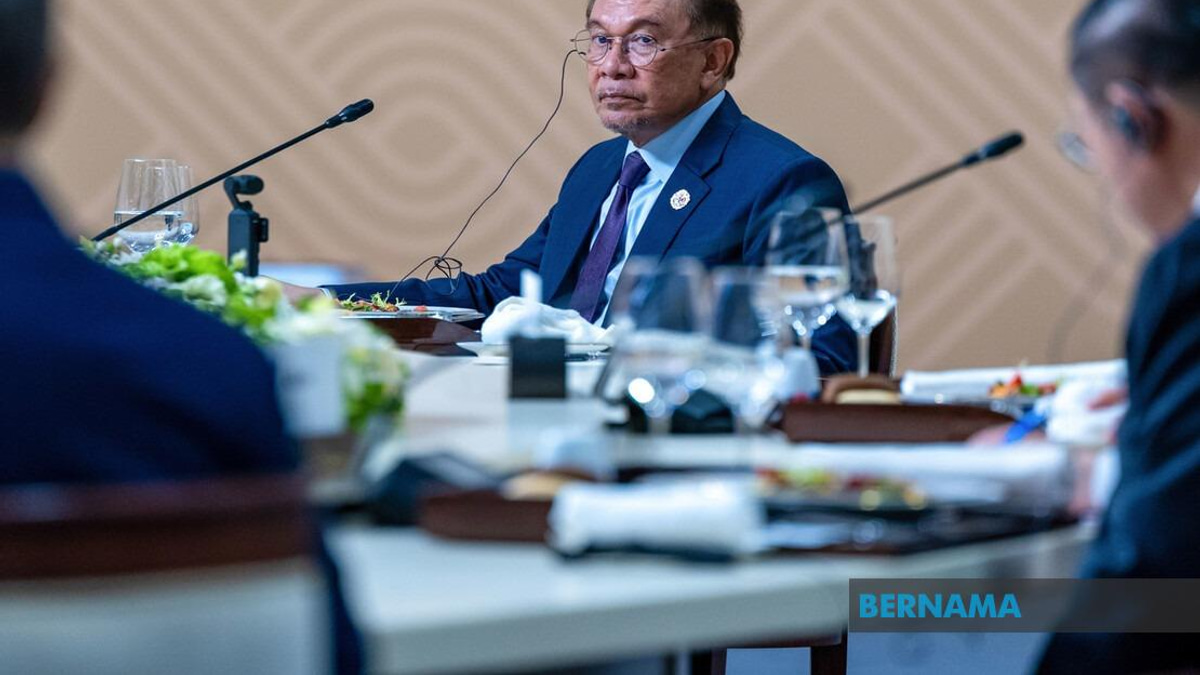
Prime Minister Datuk Seri Anwar Ibrahim will personally lead Pakatan Harapan's unveiling of its Johor state election candidates at Bukit Gambir, according to coalition sources, underscoring the coalition's determination to mount a serious challenge in a state long considered Umno's fortress. The high-profile appearance by Anwar himself at the candidate announcement represents a calculated show of strength and commitment as PH enters the final phase of campaigning for the Johor state polls, traditionally one of the federation's most competitive electoral battlegrounds.
The decision to hold the candidate reveal in Bukit Gambir carries symbolic weight for Pakatan Harapan's electoral strategy. The constituency, situated in the southern reaches of the state, has emerged as strategically significant for the coalition's ambitions in Johor. By choosing this particular location rather than a major urban centre like Johor Bahru, PH appears intent on demonstrating organisational reach beyond the state capital and appealing directly to communities in the broader electoral landscape. This granular approach to campaigning reflects lessons learned from previous state and federal contests where ground-level engagement often determined outcomes.
Anwar's personal attendance sends a clear signal about the coalition's resource commitment to the Johor campaign. As Prime Minister, his schedule is tightly constrained by federal responsibilities, and his presence at the candidate announcement elevates the significance of the event beyond a routine party function. This representation of federal-level backing could prove decisive in reassuring both coalition members and wavering voters that Pakatan Harapan possesses genuine momentum and institutional capacity to govern a major state. The optics of federal leadership directly supporting state-level candidates help bridge the perception gap between national polling strength and state-level competitiveness.
Johor's political complexion has undergone significant shifts in recent years, though Umno maintains traditional dominance in the state. The 2022 general election results demonstrated resilience of ethnic and regional voting patterns in the peninsula's southern state, yet PH has made incremental gains, particularly among younger voters and in certain urban constituencies. Understanding how these voting trends translate into concrete seat counts will require careful analysis of boundary changes and candidate placement, both factors that become apparent only at the formal announcement. The candidate selections themselves will reveal much about PH's tactical positioning and confidence in particular districts.
The timing of the candidate announcement reflects broader electoral cycles and political momentum. Coming at a point where speculation about state election dates has intensified, the formal unveiling of PH's slate represents a commitment device—one that cannot be easily reversed or adjusted without significant reputational cost. This move therefore signals that the coalition has completed internal deliberations about candidacy and has resolved competing claims from member parties for limited nominations. The resolution of such intra-coalition tensions, often the most consequential battles before campaigning begins, typically precedes public-facing announcements.
Pakatan Harapan comprises multiple political parties with distinct regional bases and ideological orientations, and managing candidate selection across these constituent parties requires delicate negotiation. The Democratic Action Party maintains significant presence in certain Johor urban areas, while Parti Keadilan Rakyat and Parti Amanah Negara bring different demographic appeals. The final slate will reflect compromises reached among these parties, with the resulting candidate list serving as a roadmap of coalition priorities and electoral calculations. How nominations are distributed among PH's component parties will signal where the coalition believes its strongest competitive advantages lie.
For Malaysian voters and political observers, the candidate announcement offers opportunity to assess whether Pakatan Harapan's national polling strength—demonstrated most recently in the 2022 federal election—can translate into meaningful state-level representation. Johor, with its economically significant position within the federation and its cultural prominence within Malay-Muslim politics, functions as a bellwether for broader political trends. A strong PH showing in the state would validate claims that the coalition has successfully repositioned itself as a genuine alternative to Barisan Nasional dominance. Conversely, electoral results in Johor would illuminate whether the coalition's appeal remains concentrated in particular demographic segments.
The announcement also comes within a context of evolving federal-state relationships. With Pakatan Harapan holding federal power through Anwar's premiership, a coalition state government in Johor would create unified administration across both levels, potentially enabling more coordinated policy implementation on economic development, infrastructure, and social programmes. This administrative coherence often proves decisive for public satisfaction and electoral legitimacy. Alternatively, if Barisan Nasional retains state control while PH governs federally, the resulting divided government would replicate patterns seen in other Malaysian states, creating tension over resource allocation and political messaging.
Analysts tracking Johor politics note that economic conditions within the state—ranging from manufacturing sector stability to port operations and real estate development—will significantly influence voter calculations. Households evaluating which coalition better serves their material interests typically focus on incumbent performance in managing state finances and delivering tangible services. The candidates unveiled by Pakatan Harapan will need to articulate credible platforms addressing these economic concerns while distinguishing themselves from Barisan Nasional alternatives. The quality and track record of individual candidates often matters more than abstract coalition messaging in determining electoral outcomes at the state level.
Anwar Ibrahim's leadership of the candidate announcement ceremony carries implications extending beyond Johor itself. As Prime Minister stewarding a coalition government, his active participation in state-level politics demonstrates his personal investment in maintaining coalition unity and expanding PH's territorial control. This hands-on engagement contrasts with some of his predecessors, who maintained greater distance from state campaigns. Such involvement enhances Anwar's position as coalition leader while simultaneously raising the political stakes—any poor performance in the Johor contest would reflect upon his judgment and leadership capacity.
The Bukit Gambir event will likely attract significant media attention and political commentary, with analysts parsing not merely the candidate slate itself but the speeches and messaging emphasised by Anwar and other coalition leaders. These public utterances often signal broader strategic priorities and help align component party narratives around shared themes. Whether coalition messaging emphasises economic management, anti-corruption, or social provision will offer insight into how PH intends to prosecute its campaign and distinguish itself in voters' minds from the governing alternative.