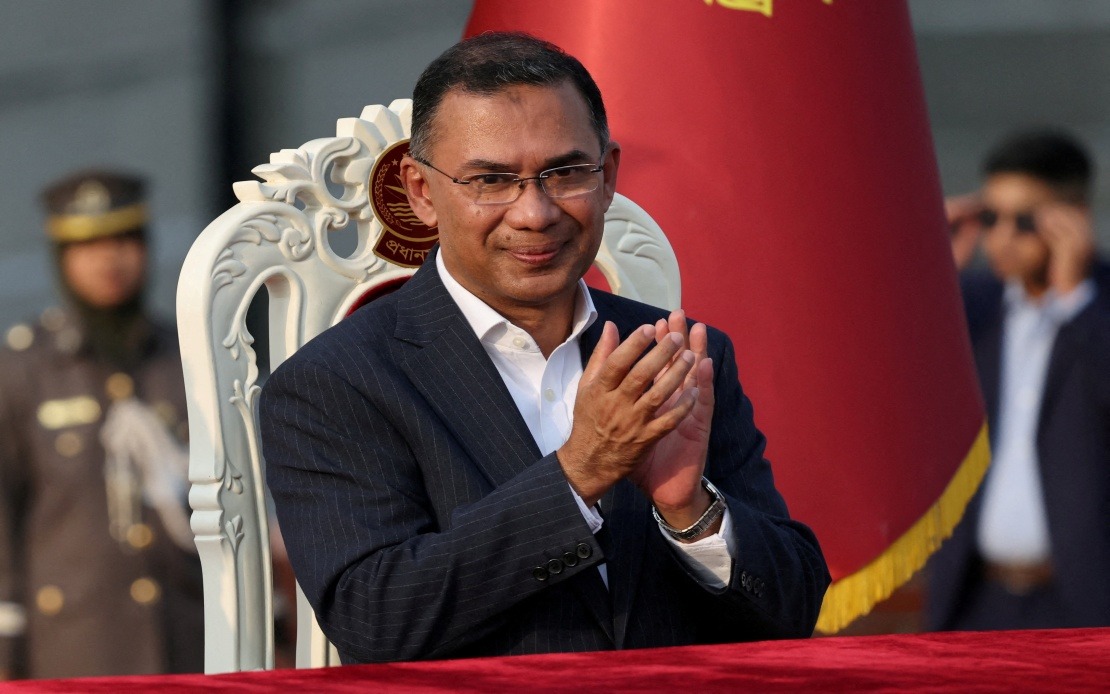
Bangladesh's Prime Minister Tarique Rahman will arrive in Malaysia on June 22 for an official state visit, representing a significant diplomatic moment for the South Asian nation and underscoring the strategic importance that Kuala Lumpur holds in Dhaka's foreign policy calculations. The visit, extended at the invitation of Prime Minister Datuk Seri Anwar Ibrahim, marks Rahman's inaugural bilateral journey beyond Bangladesh's borders since he assumed the premiership in February 2026, a deliberate choice that signals the priority Malaysia commands in Bangladesh's regional engagement strategy.
The timing of this visit carries particular weight in the context of contemporary South Asian geopolitics. By selecting Malaysia as the destination for his first official trip, Rahman is demonstrating recognition of Malaysia's role as a bridge between South Asia and Southeast Asia, as well as acknowledging the substantial economic ties and shared interests that bind the two nations. This choice reflects a broader strategic positioning where Bangladesh seeks to diversify its international partnerships and strengthen relationships with key economies beyond the Indian subcontinent.
According to Malaysia's Foreign Ministry, Rahman will receive a formal state reception upon arrival, with proceedings including an official welcoming ceremony at the highest level of protocol. The centrepiece of the visit will be bilateral talks between Rahman and Anwar at the Perdana Putra Complex, where both leaders will assess the current state of Malaysia-Bangladesh relations and identify new opportunities for collaboration. This setting underscores the formal nature of the engagement and the significance both governments attach to the visit.
The bilateral agenda encompasses an ambitious range of sectors reflecting the complementary nature of the two economies. Trade and investment form the foundation of economic engagement, alongside human resource development, where Bangladesh's demographic dividend and Malaysia's skills-based economy offer natural synergies. The semiconductor and energy sectors represent emerging areas of potential cooperation, particularly given Malaysia's established position in electronics manufacturing and Bangladesh's growing energy needs. Agricultural collaboration and educational exchanges round out a comprehensive framework aimed at creating multiple points of contact between the two nations' productive sectors.
Tangible outcomes will be formalised through diplomatic instruments during the visit. A memorandum of understanding focused on cultural cooperation will be exchanged, recognising the soft power dimension of bilateral relations and the shared cultural heritage that both nations can mobilise for deeper people-to-people connections. Additionally, two exchanges of notes will be executed: one addressing counter-terrorism research, reflecting the shared security concerns of contemporary Southeast and South Asia, and another targeting investment promotion and facilitation, which holds particular relevance given Malaysia's established track record in attracting regional and global capital.
The trade relationship between Malaysia and Bangladesh has demonstrated robust growth and stability. In 2025, bilateral commerce reached RM12.18 billion, equivalent to approximately US$2.84 billion, positioning Bangladesh as Malaysia's 28th largest trading partner globally. More significantly within the regional context, Bangladesh ranks as Malaysia's second-largest trading partner in South Asia, surpassed only by India, reflecting the weight of economic engagement between Kuala Lumpur and Dhaka. This substantial trade volume provides a foundation upon which both governments can build deeper integration.
Malaysia's export profile to Bangladesh reveals the complementary nature of the relationship. Malaysian exports totalled RM10.08 billion in 2025, with petroleum products forming the dominant category, accounting for the majority of shipments. This energy dimension carries strategic implications, as Bangladesh grapples with energy security challenges and Malaysia possesses both hydrocarbon resources and expertise in energy sector development. The concentration of petroleum exports also highlights opportunities for diversification into higher-value manufacturing and technology sectors as both nations seek to upgrade their economic relationship.
Bangladeshi exports to Malaysia, valued at RM2.10 billion in 2025, reflect the country's established position as a major global textile and apparel manufacturer. Textiles, apparel, and footwear comprise the bulk of shipments, sectors where Bangladesh has developed competitive advantages and established global supply chains. For Malaysia, these imports contribute to retail and manufacturing sectors, while the bilateral trade relationship provides stability and predictability in supply chains that Malaysia's economy depends upon.
The visit provides an opportunity for both governments to explore mechanisms for reducing trade imbalances and creating new export opportunities for Bangladesh. As Malaysia continues its economic transformation towards higher-value manufacturing and services, opportunities emerge for Bangladesh to capture market share in mid-tier manufacturing and labour-intensive sectors. Enhanced cooperation in skills development and vocational training could facilitate smoother labour market integration and technology transfer between the two economies.
Host Prime Minister Anwar Ibrahim will extend official honours to Rahman through a formal luncheon, reinforcing the diplomatic warmth and respect characterising the relationship. Rahman's delegation will include his spouse Dr Zubaida Rahman, Foreign Minister Dr Khalilur Rahman, and senior government officials, indicating the comprehensive nature of the visit and ensuring that multiple government agencies engage in cross-bilateral dialogue on their respective mandates.
For Malaysian policymakers and the broader Southeast Asian community, Rahman's choice of Malaysia for his debut official visit carries implications for regional architecture. It suggests that Bangladesh, despite its geographic location in South Asia, increasingly views Southeast Asia and Malaysia specifically as crucial partners in its development and diversification strategy. This orientation aligns with Bangladesh's broader pivot towards greater engagement with ASEAN member states and reflects recognition that regional economic dynamism and stability extend beyond traditional boundaries.
The visit also occurs against the backdrop of Bangladesh's transition and institutional renewal following political developments in recent years. Rahman's early diplomatic initiatives, commencing with Malaysia, signal a government intent on demonstrating stability, fostering international confidence, and establishing the nation as a reliable partner for economic and security cooperation. For Malaysia, receiving Bangladesh's premier on an official visit represents an opportunity to deepen ties with a nation of 170 million people, substantial economic potential, and growing regional influence.
Looking ahead, both governments can leverage this visit as a foundation for deeper institutional engagement. Regular high-level visits, expanded people-to-people exchanges, and institutionalised dialogue mechanisms at ministerial levels could transform bilateral relations from transactional trade partnerships into strategic collaborations extending across security, technology, education, and cultural spheres. The semiconductor and energy cooperation sectors, in particular, merit structured development given their importance to both nations' long-term economic trajectories and the technological spillovers such collaboration could generate throughout the region.
%22%2F%3E%3C%2Fpattern%3E%3C%2Fdefs%3E%3Crect%20width%3D%22100%25%22%20height%3D%22100%25%22%20fill%3D%22url(%23ph1qbo1g)%22%2F%3E%3Crect%20width%3D%22100%25%22%20height%3D%22100%25%22%20fill%3D%22url(%23ph1qbo1p)%22%2F%3E%3Ctext%20x%3D%2250%25%22%20y%3D%2250%25%22%20text-anchor%3D%22middle%22%20dominant-baseline%3D%22central%22%20fill%3D%22rgba(255%2C255%2C255%2C0.95)%22%20font-family%3D%22Georgia%2C%20'Times%20New%20Roman'%2C%20serif%22%20font-weight%3D%22700%22%20font-size%3D%22136%22%20letter-spacing%3D%22-0.02em%22%3ETerengganu%3C%2Ftext%3E%3C%2Fsvg%3E)