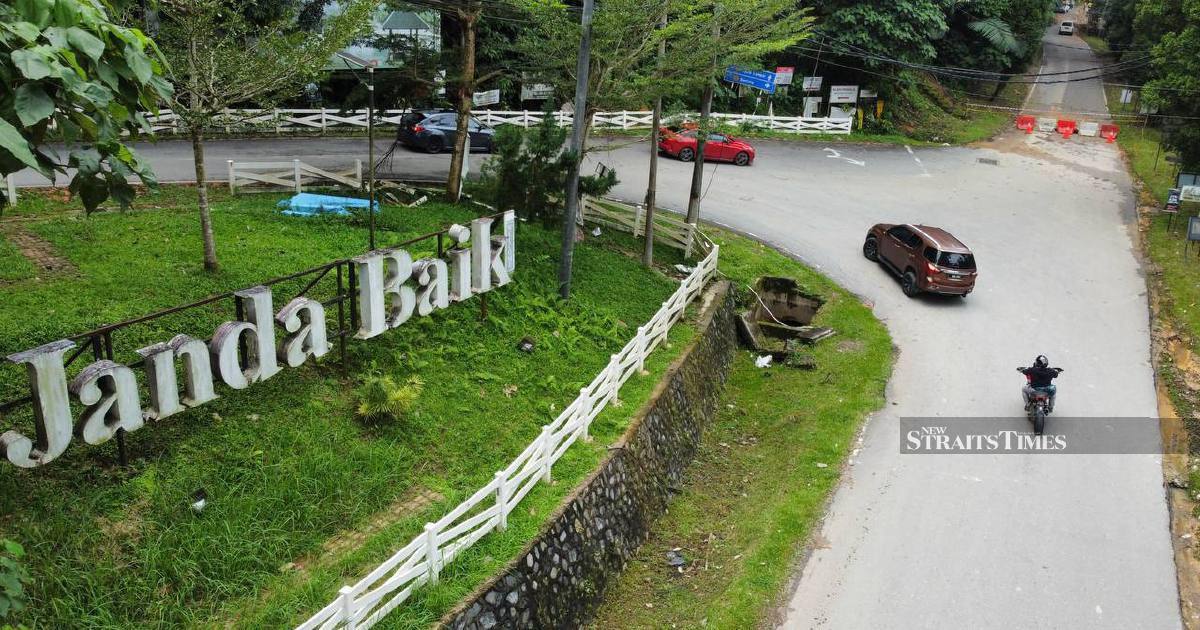
The Pahang Health Department has initiated a formal investigation into reported cases of illness affecting visitors to a recreational area near Bentong, with a particular focus on activities at Janda Baik river. The probe comes after multiple individuals reported falling unwell following immersion in the waterway, prompting health authorities to examine both environmental and hygiene factors that may have contributed to the outbreak.
Janda Baik, situated within reach of Bentong in Pahang's eastern flank, has long served as a popular weekend destination for families and tourists seeking natural attractions and recreational activities in the surrounding countryside. The area's river systems typically draw significant numbers of visitors during holidays and school breaks, making the recent health incident particularly concerning for local authorities managing public safety and environmental health standards.
Investigations by the Pahang Health Department will likely encompass water quality testing to identify potential contaminants or pathogens present in the river. Standard protocols for such incidents typically involve sampling for bacterial, chemical, and parasitic agents that could trigger gastrointestinal distress or other illness symptoms reported by affected visitors. The department will also assess whether water conditions meet acceptable recreational safety standards, particularly given monsoon-related seasonal factors that can affect water purity and flow rates in Pahang's river systems.
While the initial reports referenced food poisoning, the location of incidents at a river venue suggests the investigation may expand beyond food handling alone to encompass waterborne illness transmission. Authorities will examine whether food vendors operating within the recreational area maintained proper sanitation protocols, storage temperatures, and preparation methods. Cross-contamination risks and water used in food preparation will receive particular scrutiny as investigators determine whether illnesses stemmed from consumed food or water-related exposure.
The incident reflects broader public health considerations affecting Malaysia's popular recreational destinations. Rivers and natural bathing areas across Southeast Asia can present health risks if not properly monitored, particularly during peak usage periods when sanitation infrastructure becomes strained. The Pahang Health Department's response demonstrates the state's commitment to protecting visitor welfare whilst maintaining the economic benefits of rural tourism that supports local communities around Bentong.
Local authorities and destination management will likely implement temporary precautionary measures pending investigation findings. These could include signage advising visitors of water quality assessments, increased monitoring of food vendors, or temporary restrictions on river access if water conditions prove unsafe. Such measures balance public health imperatives against the economic impact on small businesses and communities dependent on visitor spending.
The timing of this incident underscores the importance of robust environmental health monitoring systems at popular recreational sites throughout Malaysia. Many such destinations operate with minimal regulatory oversight during non-peak periods, creating gaps in water quality surveillance and sanitation management. The Pahang case provides valuable lessons for state health departments across the region in developing proactive rather than reactive approaches to recreational area safety.
Visitors planning trips to river-based recreation areas should remain aware of potential health risks and exercise precaution with food consumption and water exposure. Local knowledge regarding water conditions, vendor reputation, and seasonal factors can inform safer decision-making. The incident also highlights why responsible destination management and visitor education form essential components of Malaysia's tourism sustainability framework.
The investigation's findings will likely be published through official Pahang Health Department channels once preliminary assessments conclude. Results could prompt policy adjustments affecting how recreational areas near Bentong and similar destinations manage food handling and water safety standards. Broader implications may extend to statewide guidelines for monitoring and maintaining public health standards at natural attractions drawing regular visitor traffic.


