More than two million Indian medical school hopefuls are confronting extraordinary psychological pressure as they prepare to sit the National Eligibility cum Entrance Test for a second time on June 21, having already endured the gruelling examination once in May. Their collective anxiety stems not from lack of preparation but from circumstances entirely beyond their control: authorities invalidated the initial results from May 3 following widespread allegations that question papers had been circulated in advance through social media channels, effectively nullifying months of preparation and forcing candidates back to the examination hall.
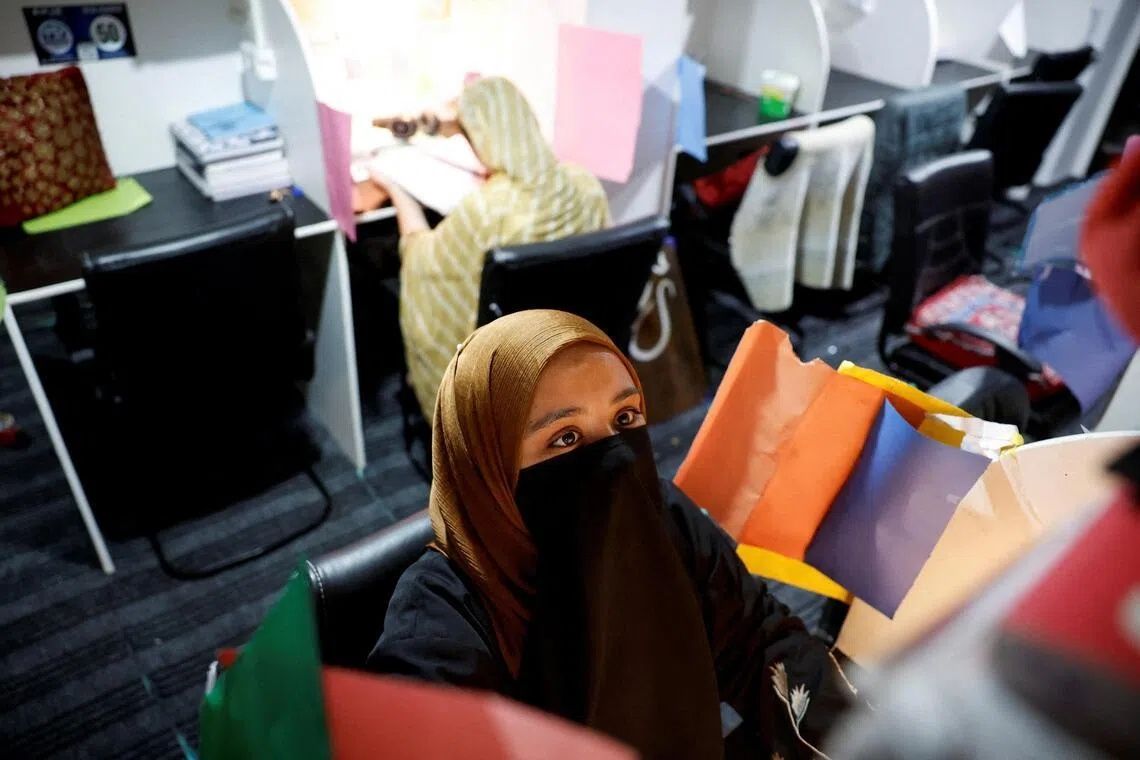
The stakes for these students could hardly be higher. The NEET represents one of India's most fiercely competitive entrance examinations, with only five to six per cent of test-takers ultimately securing coveted seats at medical colleges. For the vast majority, this means aspirations deferred or abandoned altogether. The psychological toll of this single gateway examination has become increasingly evident as candidates grapple with the prospect of retaking an already-gruelling assessment. Alima Javed, a 20-year-old from Srinagar, articulated the frustration many feel: years of dedicated study followed by the shattering discovery that their test results had been invalidated through no action of their own.
The examination scandal has ignited broader public outcry across India, with student demonstrations erupting in New Delhi and major cities, drawing hundreds of participants per protest and transforming an educational crisis into a political liability for Prime Minister Narendra Modi's government. Opposition politicians have seized upon the controversy to challenge the administration's competence, while some commentators have alleged that the stress and uncertainty surrounding the examination have contributed to student suicides, though verification of such claims remains difficult. The emotional intensity surrounding the retake reflects how deeply the integrity of the examination system matters to Indian families and communities who view medical education as a pathway to professional security.
Education Minister Dharmendra Pradhan has publicly committed to ensuring that the retake will be conducted with complete fairness and transparency, acknowledging the need to restore public confidence in the examination process. To reinforce this commitment, the government has implemented security measures designed to prevent any repetition of the alleged breach. Most controversially, authorities have temporarily blocked the Telegram messaging application throughout the duration of the examination period. The government justified this action by arguing that Telegram's anonymity features and the ease with which blocked channels can be recreated made it a unique vulnerability in the security architecture surrounding the test.
When Telegram appealed the ban in Indian courts on June 19, the company's attempt to overturn the prohibition failed decisively. The Indian court affirmed that the government's temporary blocking order constituted a proportionate and legally defensible response to genuine security concerns. This judicial endorsement of the application ban, while welcomed by exam authorities, has drawn sharp criticism from digital rights advocates and free speech proponents who contend that blocking an entire messaging platform represents an excessive infringement on user freedoms, even if temporary. The tension between securing examination integrity and protecting civil liberties has become a defining feature of India's response to the scandal.
Investigative agencies have launched a comprehensive, multi-departmental investigation aimed at identifying how question papers were obtained and distributed to prospective candidates. Authorities are pursuing financial forensics to uncover money trails connected to suspected cheating networks, while police have made arrests across multiple states. These enforcement actions signal serious governmental intent to dismantle organized cheating operations. Officials have warned that individuals convicted of participation in examination fraud will face substantially enhanced penalties, signalling a hardened stance on malpractice and potentially deterring future attempts at systematic test compromise.
Beyond enforcement, the government has announced structural reforms to examination security protocols. These include intensified surveillance systems at test centres, more rigorous protocols governing how question papers are printed, stored, transported and distributed, and the introduction of digital tracking mechanisms throughout the question paper supply chain. Such measures aim to create multiple layers of verification and accountability that would make large-scale leaks exponentially more difficult. However, cybersecurity experts have questioned whether technology alone can address systemic vulnerabilities without accompanying improvements in institutional oversight and personnel vetting.
Despite these reassurances and security enhancements, many students report that anxiety remains acute and largely unabated. Aliya Jalaal, also 20 years old, expressed satisfaction with her initial performance when she first sat the examination in May, only to see those results voided. The prospect of retaking a test she believed she had already passed successfully has generated such severe psychological distress that she has sought psychiatric intervention. Her situation exemplifies how the scandal has created collateral mental health consequences that extend beyond simple examination stress, affecting young people during a developmentally vulnerable period when educational outcomes carry enormous weight for future trajectories.
For Malaysia and the broader Southeast Asian region, India's examination integrity crisis offers important lessons about the vulnerabilities that can emerge in large-scale, high-stakes testing systems, particularly as technology creates new opportunities for unauthorized information dissemination. Countries operating similarly competitive entrance examinations, from the Philippines to Indonesia to Vietnam, confront comparable risks. The Indian government's response—combining technological barriers, investigative action, and legal intervention—illustrates both the determination required to address such scandals and the inherent tensions between security imperatives and civil liberties. As India proceeds with its retake examination and investigative follow-up, the success or failure of these measures will influence how other nations approach examination security in an era of ubiquitous digital communication.