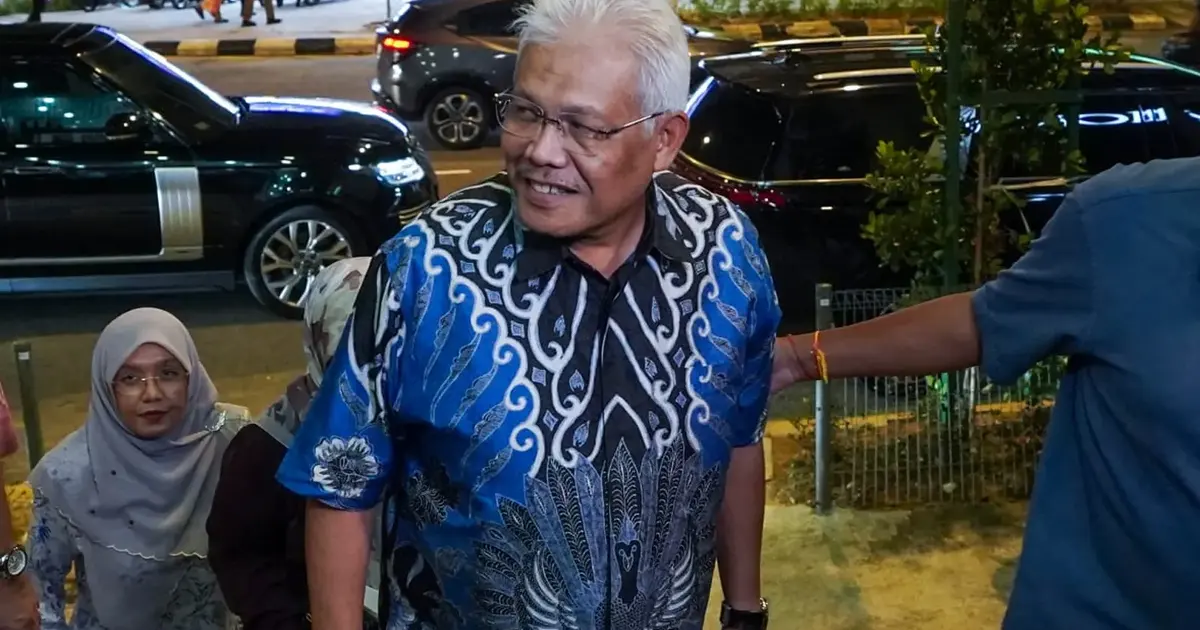
A significant gathering of opposition politicians at PAS headquarters signals deepening realignment within Malaysia's political landscape, as senior figures including Hamzah convene for undisclosed discussions amid the broader instability affecting Perikatan Nasional. The timing of this assembly carries particular weight given the recent rupture between two of the coalition's principal components, sending ripples through the opposition bloc's internal dynamics and potentially reshaping parliamentary alignments.
The visible congregation of opposition MPs at the Islamic party's Kuala Lumpur base underscores the intensifying manoeuvres occurring behind the scenes as political players respond to the dramatic reconfiguration of power blocs. Such high-level meetings are rarely coincidental in Malaysian politics, typically signalling substantive discussions about coalition strategy, parliamentary positioning, or potential shifts in party allegiances. The presence of multiple opposition figures at a single location within a concentrated timeframe suggests coordination on matters considered sufficiently urgent to warrant urgent consultation.
PAS's decision to sever formal ties with Bersatu last week has triggered a cascade of political consequences extending well beyond the immediate dispute between the two parties. The fracture exposes underlying tensions within PN's ideological composition and strategic direction, creating space for alternative configurations and forcing various political actors to reassess their positioning within the opposition framework. This breakdown removes a layer of institutional stability that has governed opposition coordination since PN's formation, opening questions about which parties will consolidate influence and how parliamentary voting patterns may shift.
The involvement of Hamzah, a figure with substantial political weight and experience navigating factional disputes, carries particular significance. His participation in these discussions suggests that the conversations extend beyond routine party business into territory affecting the broader opposition coalition's viability and strategic options. Senior MPs of his stature typically involve themselves only in matters with consequential implications for legislative influence or interparty positioning. His presence indicates these meetings address matters of sufficient consequence to warrant engagement from the opposition's senior hierarchy.
The political landscape surrounding this gathering reflects Malaysia's deeply fluid parliamentary environment, where coalition stability cannot be assumed and where individual MPs frequently reassess their affiliations in response to shifting circumstances. Within this context, PAS emerges as a natural convening point given its substantial parliamentary representation and its positioning as a bridge between various opposition factions. The party's headquarters thus becomes a venue for exploring potential realignments that could reshape the opposition's collective strength.
Former alliances within PN have historically provided the opposition with enhanced bargaining capacity against the government coalition. The breakdown of PAS-Bersatu coordination threatens to diminish this collective influence by fragmenting the opposition into smaller, competing units. Opposition figures therefore face pressure to either reconstruct alternative coalitional arrangements or risk a further erosion of their negotiating position within parliament. These discussions likely address mechanisms for preserving or reconstituting opposition strength despite the formal rupture between party structures.
The broader regional implications of PN's internal turmoil extend to Southeast Asia's political observers who monitor Malaysian developments as indicators of democratic stability within the region. Coalition fragmentation, particularly when occurring among opposition parties that have previously demonstrated cohesion, raises questions about institutional maturity and the sustainability of multi-party frameworks. The reconfiguration of Malaysia's opposition suggests a system adapting to new realities but also one experiencing genuine stress in maintaining coherent political structures.
From the government's perspective, opposition instability presents both opportunities and complications. While fractured opponents theoretically pose reduced collective threats, genuine fragmentation can create unpredictability in parliamentary dynamics and may necessitate more complex legislative negotiations. The current ferment within PN therefore demands careful monitoring from the ruling coalition, as the ultimate configuration of opposition forces remains uncertain and potentially consequential for specific policy initiatives or parliamentary votes.
The immediate trigger for this reassessment—PAS's severance from Bersatu—originated from disagreements over coalition direction and resource allocation, but the consequences extend far deeper into opposition architecture. The gathering at PAS headquarters represents opposition figures attempting to salvage strategic coherence from the fragments of a coalition structure that previously provided collective leverage. Success in reconstructing viable opposition coordination mechanisms will determine whether PN emerges from this crisis with meaningful parliamentary influence, or whether it devolves into isolated component parties competing individually for relevance.
The substance of discussions occurring behind closed doors at these meetings remains undisclosed, but the visible participation of senior opposition figures communicates a message to the broader political ecosystem about the seriousness with which opposition players regard the current moment. Political observers within parliament and among informed media outlets will scrutinize subsequent actions and statements from meeting participants for indicators of emerging alliances or strategic pivots. The convergence itself, regardless of immediate outcomes, signals that the opposition is actively engaging in recalibration rather than passively accepting coalition fragmentation.