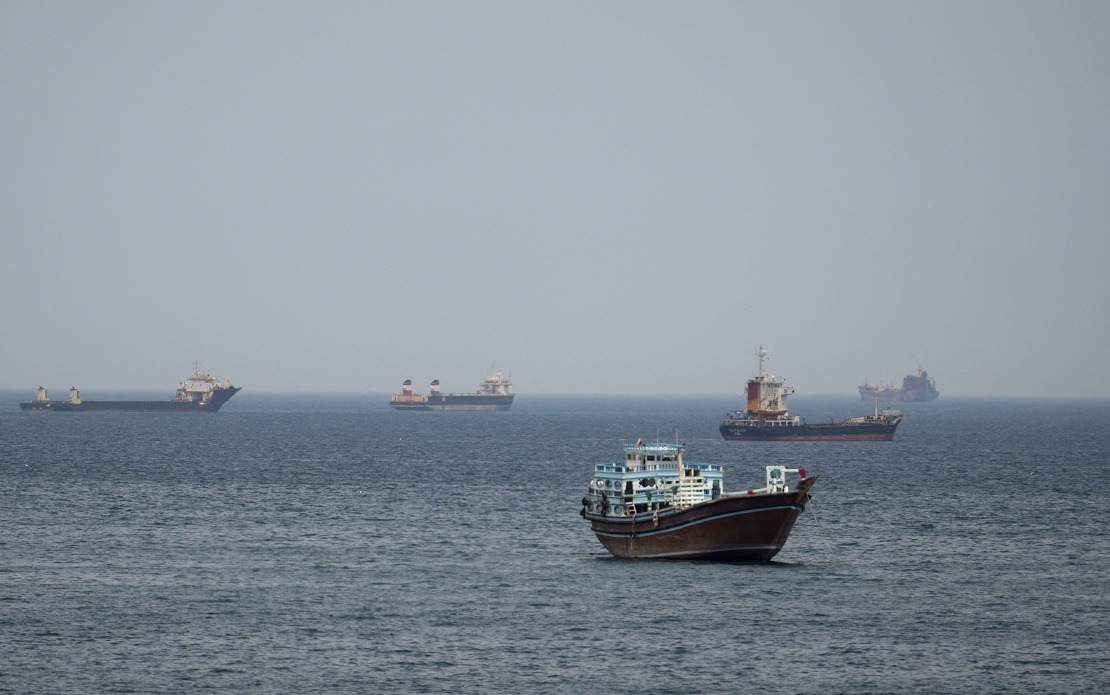
Shipping through the Strait of Hormuz resumed normal operations on Thursday as a ceasefire agreement between the United States and Iran took effect, delivering immediate relief to energy markets and restoring access to one of the world's most critical chokepoints for petroleum exports. The interim accord, brokered after nearly four months of intense conflict, represents a significant shift in regional dynamics and carries profound implications for Southeast Asian energy security and Malaysia's economy, given the region's heavy dependence on stable oil prices and uninterrupted maritime trade.
The psychological impact on oil markets was immediate and profound. Crude prices tumbled to their lowest levels since fighting erupted on February 28, as traders anticipated that the Strait of Hormuz—responsible for roughly one-fifth of global oil supply—would return to unfettered operations. This relief echoes strongly across Southeast Asia, where nations from Thailand to the Philippines remain acutely vulnerable to crude price volatility that threatens inflation, currency stability, and manufacturing competitiveness. For Malaysia specifically, which maintains strategic petroleum reserves and operates as a regional refining hub, the normalization of Hormuz traffic carries direct economic significance for both domestic fuel pricing and industrial production chains.
The agreement establishes a sixty-day negotiating window during which the two powers will seek to reach definitive terms on Iran's nuclear programme. Washington has secured a commitment from Iran that led to the creation of a three-hundred-billion-dollar reconstruction fund, coupled with additional financial incentives designed to incentivize compliance during the delicate diplomatic phase ahead. United States Vice President JD Vance will lead the American negotiating team, bringing with him an explicit mandate to address not only nuclear weapons development but also Iran's expanding capabilities in long-range ballistic missiles—a persistent concern for regional allies throughout the Persian Gulf and beyond.
Yet the path to this ceasefire reveals substantial concessions by the American administration. When President Donald Trump initiated military action nearly four months earlier, his stated objectives encompassed the complete dismantling of Iran's nuclear weapons programme, the elimination of Iranian capacity to threaten neighbouring states, the cessation of Iranian support for allied militant groups throughout the region, and the fostering of conditions for domestic political change within Iran itself. The interim agreement notably fails to satisfy any of these foundational demands, leading critics to contend that Iran has strengthened its negotiating position by successfully enduring a superpower military campaign while maintaining control over critical maritime passages and extracting valuable sanctions relief.
Iran's Supreme Leader Ayatollah Moitaba Khamenei struck a deliberately combative tone in response, characterizing Trump's decision to negotiate as an act born of "desperation" rather than strategic choice. His written statement signalled that forthcoming discussions surrounding Iran's nuclear capabilities would prove neither swift nor accommodating, declaring that "if the American side wants to be too demanding, we will not accept it." This rhetorical positioning suggests that Tehran views itself as the conflict's ultimate victor and intends to approach the nuclear negotiations from a position of strength rather than accommodation, potentially complicating efforts to reach comprehensive settlements on proliferation controls.
Iran has also signalled its intention to maintain operational authority over the Strait of Hormuz during the sixty-day interim period, asserting that it will issue permits and direct maritime traffic flows throughout the passage. Significantly, Tehran indicated that it will levy no transit fees during this initial phase, a strategic concession designed to demonstrate goodwill while preserving its core claim to regulatory control over one of the planet's most economically vital maritime corridors. For Malaysian and broader regional interests, this arrangement introduces an element of unpredictability; while fee suspension appears beneficial in the immediate term, Iran's assertion of gatekeeping authority raises longer-term questions about the permanence and stability of free passage guarantees.
The ceasefire's fragility becomes apparent when examining developments in Lebanon, where Israeli military operations have continued with unabated intensity despite the overarching agreement's explicit provisions calling for the "permanent termination" of regional conflict and guarantees of Lebanese territorial integrity and sovereignty. Israeli forces launched fresh airstrikes early Thursday, signalling that the agreement's reach may not extend to all fronts or combatants. Lebanon's humanitarian crisis has intensified dramatically, with more than a million civilians displaced by sustained fighting, transforming the conflict into one of the region's most destabilizing humanitarian emergencies. Trump has become uncharacteristically critical of Israeli operations, suggesting that American diplomatic leverage may be limited when confronting allied military objectives that diverge from American negotiating priorities.
Israel's conspicuous absence from the negotiating process itself emerged as a critical oversight. Rather than accepting the ceasefire framework, Israeli officials have explicitly rejected any commitment to withdraw from Lebanese territory and have publicly released maps depicting an expanded occupation zone—a direct contravention of the agreement's core provisions regarding Lebanese sovereignty. This schism between American ceasefire objectives and Israeli military operations has created what observers describe as one of the deepest rifts between the two countries in decades, fundamentally undermining American credibility as a diplomatic mediator capable of binding all regional parties to negotiated settlements.
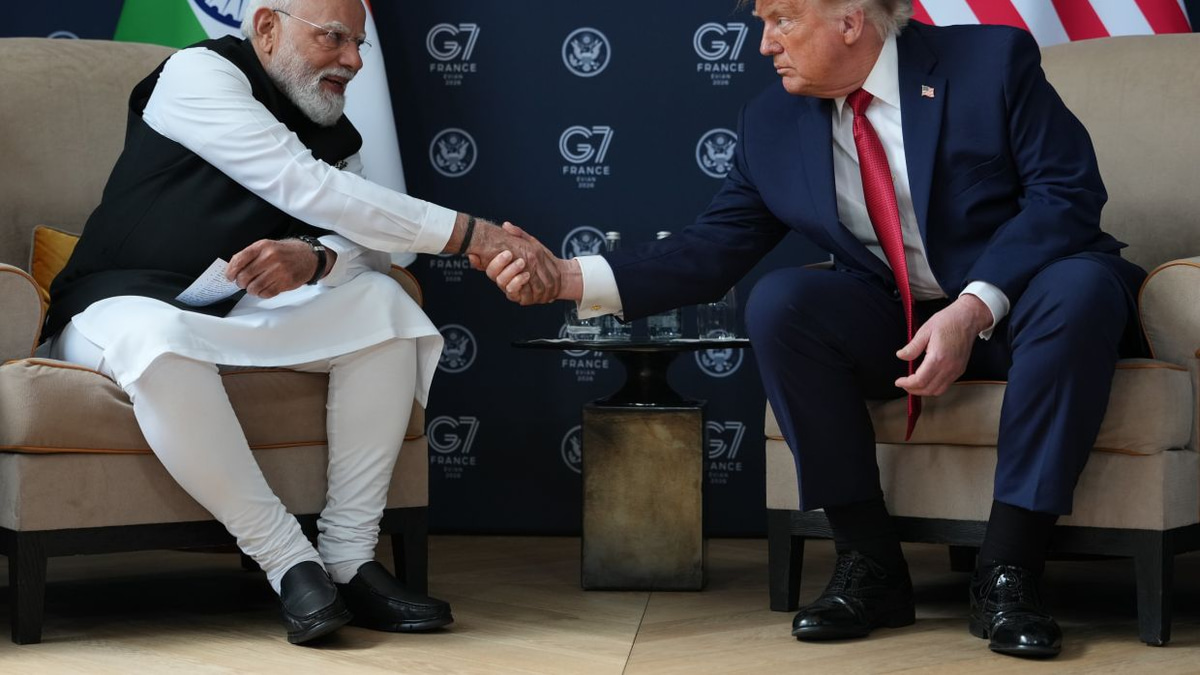
Trump's frustrated public criticism of Israeli strategy represents an extraordinary departure from traditional American diplomatic support for Tel Aviv. In remarks delivered at the White House, the president articulated a blunt assessment of Israeli strategic calculus, questioning why the Jewish state would antagonize "the only powerful ally that I have anywhere left in the entire world." This language implies both American frustration with Israeli intransigence and perhaps a recognition that the ceasefire agreement itself remains fragile and vulnerable to collapse should escalatory pressures from any quarter gain momentum. For Southeast Asian observers, the dynamic illuminates broader questions about great power reliability and the extent to which American security commitments can withstand strain when aligned allies pursue divergent strategic objectives.
In Washington, Trump faces domestic political pressure from Republican allies in Congress who contend that he surrendered excessively to achieve an agreement that remains profoundly unpopular with American voters. These critics argue that the agreement's terms inadequately address legitimate American security interests and regional stability concerns. Trump's initial public posturing demanded nothing less than Iran's "unconditional surrender," yet the final accord satisfies none of his originally stated preconditions, creating a narrative problem that his political opponents have wasted little time exploiting. This domestic vulnerability may constrain American negotiating flexibility during the critical sixty-day period, potentially limiting Washington's ability to pursue the robust nuclear restrictions that officials publicly describe as achievable.
For Southeast Asia and Malaysia particularly, the broader lesson involves recognizing that Middle Eastern stability remains contingent upon factors largely beyond regional control. Energy security depends upon great power diplomacy functioning effectively, yet the current American-led ceasefire demonstrates that even when major parties reach preliminary agreements, implementation remains contested by actors outside the negotiating framework. Malaysian policymakers must continue diversifying energy sources, building strategic reserves, and cultivating relationships across multiple Middle Eastern states rather than assuming any single great power arrangement will permanently stabilize the region.
The next sixty days will prove decisive. Should negotiations yield a comprehensive nuclear agreement satisfactory to both parties, the ceasefire could crystallize into durable regional stability. Conversely, should positions harden as talks progress, the fragile arrangement could unravel rapidly, particularly if Israeli operations in Lebanon expand or if disagreements over sanctions terms reach impasse. The Strait of Hormuz remains open for now, but the forces that could close it again—Iranian nationalism, Israeli military ambitions, American domestic politics, and unresolved structural tensions—remain powerfully arrayed beneath the surface of this tentative calm.