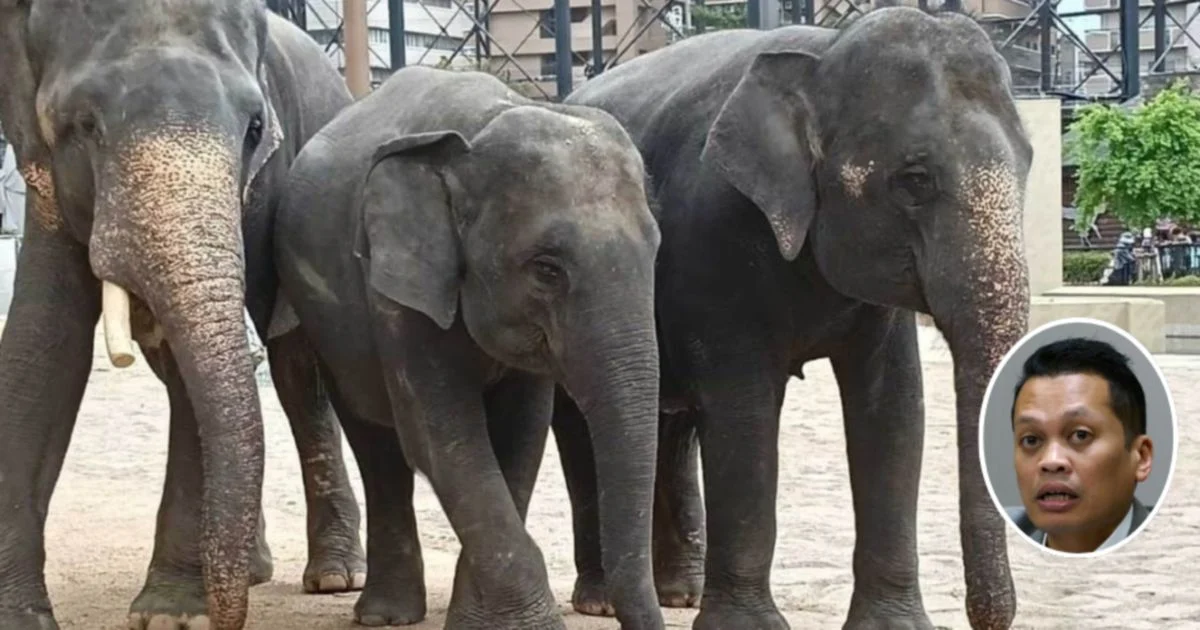
The former Natural Resources and Environmental Sustainability minister Nik Nazmi Nik Ahmad has moved to distance himself from allegations of involvement in irregularities surrounding the relocation of three elephants from Malaysia to a zoo facility in Japan, with the transaction reportedly valued at RM53 million. The denial comes as scrutiny intensifies around wildlife transfer arrangements and the financial mechanisms underpinning such international animal movements.
The elephant transfer arrangement has drawn considerable attention due to the substantial sum involved and questions raised regarding the legitimacy of payments associated with the transaction. This case reflects growing concerns within Malaysia regarding the oversight of international wildlife trade and the adequacy of regulatory frameworks governing such high-value animal relocations. The incident raises important questions about transparency in government procurement and inter-agency coordination when it comes to managing Malaysia's wildlife assets.
Wildlife transfers between nations typically involve multiple stakeholders, including government agencies, zoological institutions, and conservation organisations. The complexity of such arrangements means that financial transactions can easily become subjects of scrutiny, particularly when the amounts involved are substantial. In Malaysia's context, where wildlife management falls under ministerial oversight, any irregularities in such dealings can trigger political ramifications and damage institutional credibility.
Nik Nazmi's tenure as Natural Resources minister coincided with ongoing discussions about Malaysia's approach to wildlife conservation and international cooperation in zoo management. The involvement of Japanese institutions in acquiring Malaysian animals underscores the international demand for specimens from Malaysia's diverse ecosystems, a reality that balances conservation concerns with foreign exchange considerations. However, such transactions must navigate stringent international wildlife protection standards and domestic regulatory requirements.
The alleged RM53 million valuation associated with the transfer has become a focal point of scrutiny. Industry observers note that the pricing of wildlife transfers can vary considerably depending on the animals' age, health status, genetic diversity, breeding potential, and rarity. Nevertheless, when governmental bodies facilitate such transactions, the pricing structure and contractual terms require rigorous documentation and oversight to prevent misappropriation or corruption.
The timing of these allegations carries political significance within Malaysia's current landscape. The revelation of potential irregularities in high-profile transactions can undermine public confidence in institutional governance and create reputational challenges for individuals previously responsible for overseeing the relevant portfolios. For Nik Nazmi, the denial represents an attempt to shield his ministerial record from association with questionable practices during his tenure.
From a governance perspective, the incident highlights the necessity for Malaysia to strengthen internal audit mechanisms and transparency protocols across government wildlife management programmes. International best practices suggest that all substantial transfers of wildlife assets should involve independent verification, detailed record-keeping, and public disclosure where public funds are implicated. The case underscores gaps that may exist within Malaysia's current institutional frameworks for handling such transactions.
The involvement of Japanese facilities in acquiring Malaysian elephants also raises conservation questions within Southeast Asia. The region has been grappling with elephant population management challenges, habitat preservation, and balancing tourism with animal welfare considerations. When individual nations transfer animals abroad, it should ideally form part of comprehensive conservation strategies rather than isolated commercial transactions driven primarily by financial considerations.
Such controversies typically prompt broader reviews of departmental procedures and financial controls. The relevant government agencies responsible for wildlife management would likely face pressure to conduct internal investigations and implement corrective measures to prevent similar situations in future transactions. This could include enhanced documentation requirements, multi-agency oversight committees, and clearer procedures for approving significant animal transfers.
For Malaysian policymakers and conservation advocates, the episode serves as a reminder of the importance of maintaining ethical standards in wildlife management. As Malaysia positions itself as a responsible custodian of Southeast Asian biodiversity, allegations of irregularities in high-value transactions can complicate international relationships and damage the nation's reputation in conservation circles. Establishing unimpeachable governance practices becomes essential for maintaining standing within global conservation frameworks.
The investigation into these allegations and Nik Nazmi's ongoing denial will likely unfold through official channels, with outcomes potentially influencing future policies regarding wildlife transfers and international zoo cooperation. The case emphasises that Malaysia's approach to managing and transferring its wildlife must balance legitimate conservation partnerships with rigorous financial oversight and transparent decision-making processes.
Moving forward, stakeholder confidence in Malaysia's wildlife management institutions will depend on whether authorities can demonstrate that similar arrangements are subject to adequate controls and that any irregularities are promptly addressed. The broader significance of this matter extends beyond the specific transaction to encompass Malaysia's entire approach to stewardship of its natural resources on the international stage.


