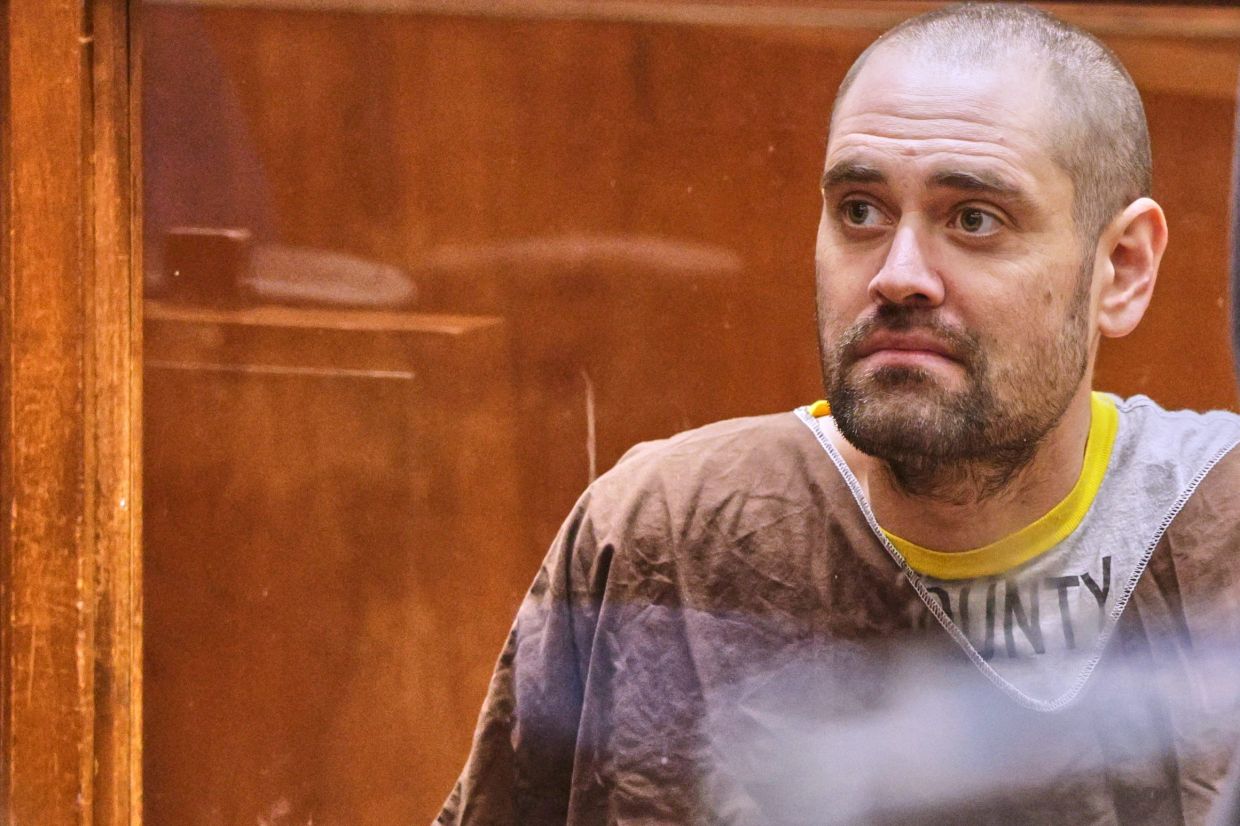
Nick Reiner, the 32-year-old son of acclaimed Hollywood director Rob Reiner, has moved to compel trustees to release money from an inheritance trust established by his parents, arguing he requires the funds urgently to mount a legal defence against murder charges. The petition, filed through his civil attorneys in Los Angeles County court on Monday, contends that trustees have unlawfully withheld distributions that he is entitled to receive under the trust's explicit terms and conditions.
Rob Reiner, the celebrated film director, and his wife Michele Singer Reiner, a photographer and television producer, were found fatally stabbed in their Brentwood home on December 14. Nick Reiner was apprehended hours later and subsequently entered a not guilty plea to two murder counts. The case has generated significant media attention given the family's prominence in the entertainment industry, though authorities have maintained strict confidentiality regarding investigative details and potential motives.
According to the legal filing, Rob and Michele Reiner established individual trusts for each of their three children alongside a larger family trust. Nick Reiner's trust, created in 1993, contained explicit provisions mandating that he receive half the trust's assets upon reaching age thirty and the remainder at thirty-five. The petition emphasises that these were not discretionary distributions subject to trustee judgment, but mandatory payouts tied solely to reaching specified ages.
The trust has accumulated at least 1.5 million US dollars in assets, though the current trustee, attorney Paul R. Kanin, who assumed the role in February, has declined to disclose the precise value. The filing argues that Kanin has provided shifting rationales for withholding funds, including concerns about Nick Reiner's mental competence that bear no relevance to distributions that should occur automatically upon age milestones being reached.
The younger Reiner's legal team contends that he never received the funds due at age thirty, and now seeks both that amount plus the thirty-five distribution immediately. The petition asserts that releasing these resources would allow him to afford adequate legal representation and cover essential living expenses while incarcerated. The filing explicitly states that questions about Nick Reiner's involvement in his parents' deaths should not influence the trust's mandatory payout obligations, emphasising his presumption of innocence under the law.
This financial dispute underscores the practical challenges defendants face when mounting defences in high-profile cases. Nick Reiner initially retained Alan Jackson, a prominent private attorney, but Jackson withdrew from the case within weeks, citing reasons he could not publicly disclose. The filing reveals that Nick's siblings, Jake and Romy Reiner, had initially committed to funding Jackson's representation but subsequently reversed their position, effectively leaving their brother without resources for comprehensive legal counsel.
In a declaration submitted with the petition, Jackson indicated his firm would resume representing Nick Reiner should the trust funds become accessible. This conditional commitment suggests that Jackson's departure stemmed directly from payment complications rather than loss of confidence in his client. For defendants facing serious charges, the ability to retain experienced counsel often proves decisive, making the trust matter consequential to the defence strategy.
The murder case itself has proceeded deliberately through the court system, with pretrial hearings not scheduled until September. District Attorney Nathan Hochman has not yet determined whether to seek capital punishment, though Nick Reiner remains death penalty eligible. Authorities have released virtually no information about circumstances surrounding the killing, and court orders have sealed most autopsy findings, leaving the public record sparse regarding fundamental aspects of the case.
Jake Reiner, the eldest sibling, publicly described the family's experience in April as "a living nightmare" that defies comprehension. His candid statement captured the emotional devastation accompanying such tragedies within prominent families, where personal tragedy intersects with public scrutiny and media documentation. The contrast between the family's prior standing and current circumstances represents the kind of dramatic reversal that generates sustained public interest.
For Malaysian and Southeast Asian observers, this case illustrates several important principles in common-law jurisdictions regarding trust law, criminal procedure, and the rights of accused persons. Despite facing serious allegations, defendants in the United States retain the presumption of innocence and the right to fund their defence from lawfully owned personal assets. The dispute over trust access also demonstrates how civil and criminal proceedings can intersect, with financial matters potentially affecting the trajectory of criminal cases.
The petitioner's attorneys have structured their argument carefully, distinguishing between questions of whether Nick Reiner committed the alleged crimes—matters reserved for criminal proceedings—and the separate legal question of whether he deserves access to funds that, under trust documents, belong to him. This separation of issues reflects fundamental legal principles about the limits of trustee discretion and the importance of honouring explicit testamentary instructions.
The outcome of this trust petition could significantly influence Nick Reiner's ability to construct a comprehensive defence. Well-funded defences can afford expert witnesses, investigators, and comprehensive discovery analysis that cash-strapped defences cannot. For a case carrying potential capital consequences, the availability of resources often determines whether defendants receive adequate representation capable of challenging the prosecution's case.
As the case advances toward trial preparation, the trust matter remains unresolved. Kanin has not publicly commented on the petition, though his response will shape the immediate future of Nick Reiner's legal situation. Whatever the court decides regarding trust access, the case will continue attracting attention given the family's entertainment industry prominence and the serious nature of the charges involved.


