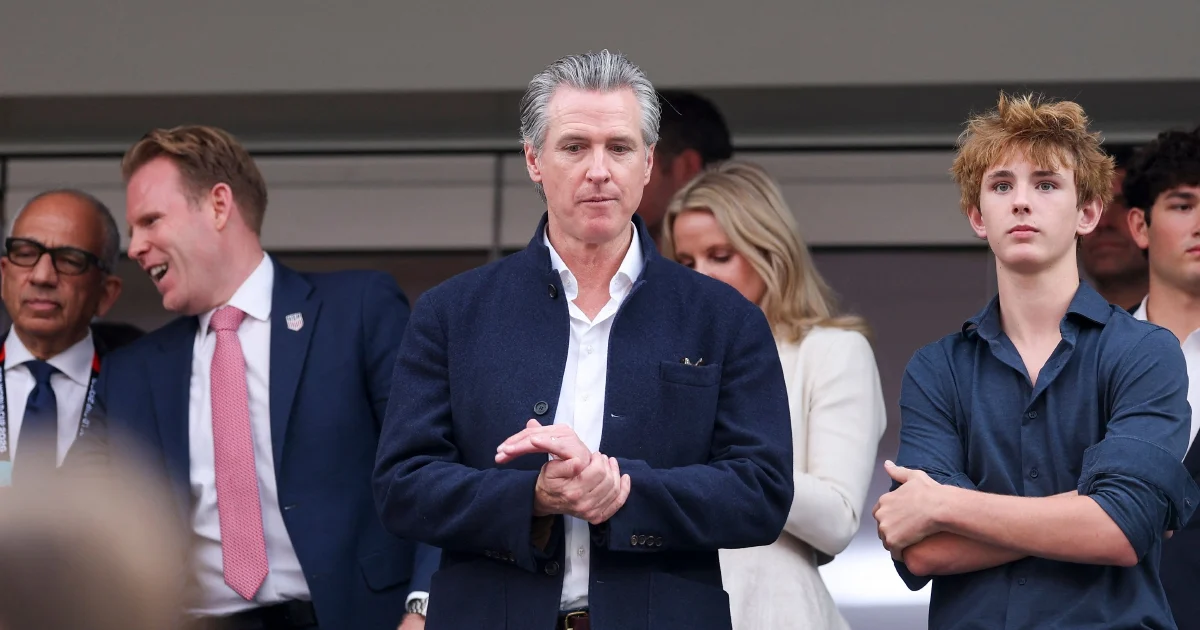
California Governor Gavin Newsom has forcefully rejected claims by the United States Justice Department that multiple federal investigations into him and members of his administration were longstanding inquiries unrelated to political pressure from Washington. Speaking to journalists on Tuesday in Los Angeles, the prominent Democratic politician asserted that the timing and nature of these probes demonstrate they were instigated at the direction of former President Donald Trump, challenging the DOJ's characterization of the investigations as routine administrative matters.
The dispute represents an escalating confrontation between Newsom and the federal government over the origins and motivations behind various federal investigations. The California governor's pushback suggests mounting frustration with what he views as coordinated efforts to undermine his administration through weaponized investigations. By attributing the probes to Trump's influence, Newsom is positioning himself within a broader Democratic narrative concerning alleged politicization of federal law enforcement agencies under Trump-aligned leadership.
Newsom's contradiction of the Justice Department's statements carries significant weight given his status as one of the nation's most visible Democratic governors and a prominent voice in national politics. His willingness to publicly challenge federal authorities on this matter signals the depth of concern within his administration about the investigations and their potential political ramifications. The governor's assertive tone reflects broader anxieties among Democratic figures about federal investigative power being deployed for political purposes rather than genuine law enforcement objectives.
The investigation controversy touches on fundamental questions about the independence and impartiality of federal law enforcement institutions. The Justice Department's assertion that the probes originated from within its own processes contradicts Newsom's interpretation that external political pressure shaped their initiation. This fundamental disagreement highlights how federal investigations have become ensnared in partisan political disputes, with both sides interpreting the same events through divergent political lenses.
For Malaysian and Southeast Asian observers, this dispute illustrates the fragility of institutional checks and balances in established democracies when partisan polarization reaches extreme levels. The capacity of federal agencies to be perceived as politically motivated undermines public confidence in rule of law and due process protections. Similar concerns about investigative impartiality have emerged across the region as democratic institutions face populist pressures.
Newsom's administration has faced multiple federal inquiries on diverse matters, creating a pattern that the governor characterizes as orchestrated rather than coincidental. He argues that the cumulative effect of simultaneous investigations targeting his office and associates demonstrates a coordinated campaign rather than discrete law enforcement actions. This interpretation contrasts sharply with the Justice Department's framing of the probes as separate matters with independent origins and justifications.
The political context surrounding these investigations matters considerably for understanding their trajectory. Tensions between California's Democratic-led government and the Trump administration reached unprecedented levels during the former president's tenure. Federal-state conflicts over immigration enforcement, environmental regulations, and pandemic response created sustained friction. Against this backdrop, investigations into California's governor could reasonably be interpreted as extensions of broader ideological conflict between the two levels of government.
Newsom's public rebuttal serves multiple strategic purposes beyond merely defending his reputation. By framing the investigations as politically motivated, the governor appeals to his Democratic base and sympathetic media outlets. Simultaneously, he establishes a record of protest that could influence public perception of any eventual charges or findings. If investigations conclude without significant adverse findings, Newsom can claim vindication and cite his prior warnings about political targeting as evidence of their baseless origins.
The Justice Department's insistence that investigations were independently initiated suggests an institutional desire to defend federal law enforcement credibility. Federal officials face consistent criticism from both political sides regarding their partisan leanings. By publicly defending the independence of investigations into a prominent Democratic figure, the DOJ attempts to demonstrate institutional impartiality and professionalism. However, the very necessity of making such public declarations indicates how thoroughly politicized federal law enforcement has become in American public perception.
Newsom's allegations carry particular resonance given the Trump administration's documented attempts to deploy federal investigative power against political opponents. From investigations into Hillary Clinton's handling of classified materials to pressure on the Justice Department regarding investigations of Trump's political rivals, the Trump era witnessed numerous instances where federal law enforcement became entangled in partisan disputes. This history lends credibility to Newsom's claims that political pressure could influence investigative decisions, even if originating nominally from within the DOJ itself.
The implications of this dispute extend beyond California's borders. If federal investigations can plausibly be characterized as politically motivated regardless of their actual origins, public trust in the entire federal investigative apparatus erodes. Citizens become skeptical of prosecutorial decisions and investigative conclusions, viewing them through partisan lenses rather than accepting them as neutral law enforcement determinations. This corrosion of institutional legitimacy undermines the rule of law itself.
Moving forward, Newsom's public stance will likely influence how other state and local officials respond to federal investigations. Democratic leaders may increasingly interpret federal scrutiny through the lens of political targeting, while Republican officials may dismiss similar investigations as partisan prosecutions. The polarization surrounding federal law enforcement becomes self-reinforcing, as political actors on both sides interpret ambiguous institutional actions through partisan filters. Rebuilding confidence in federal investigative independence will prove increasingly difficult if this trajectory continues.


