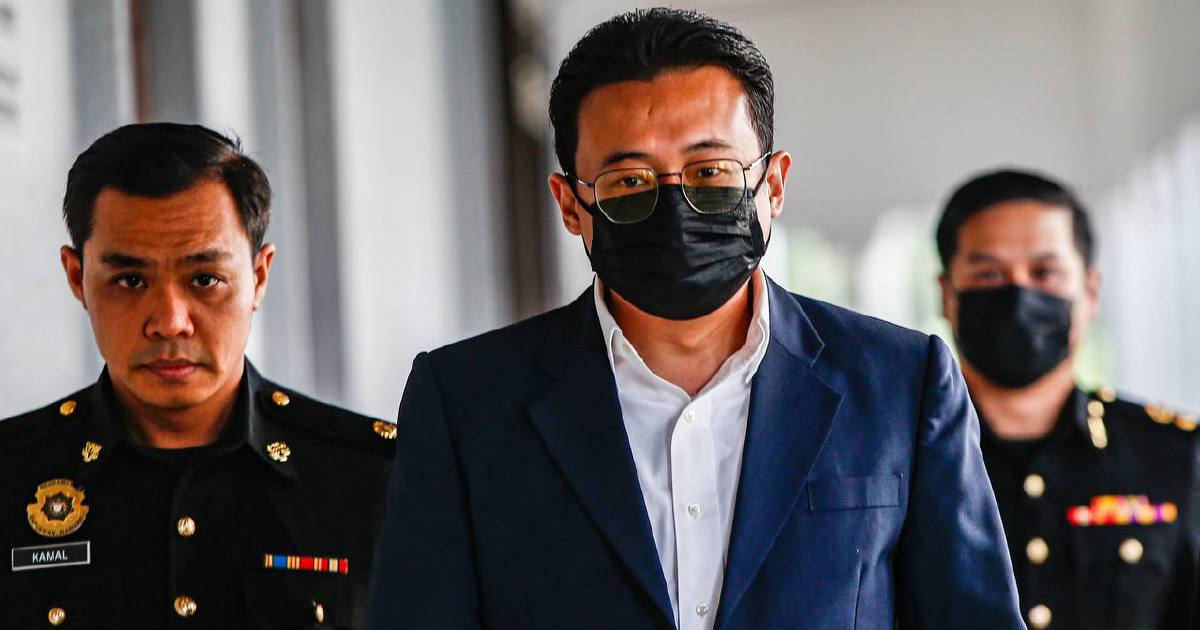
The chief executive officer of the Malaysia Stadium Corporation entered a not guilty plea at the Sessions Court in Kuala Lumpur today, facing seven charges related to soliciting and accepting bribes allegedly connected to a contract for refurbishing the National Squash Centre. The bribery charges, which collectively involve RM1.45 million in alleged inducements, centre on accusations that the executive used his position to influence the award of the tender to a particular company.
The case marks another significant corruption investigation involving a public agency administrator, underscoring ongoing concerns about procurement integrity within Malaysia's sports infrastructure sector. The National Squash Centre, a facility with considerable importance to Malaysia's competitive squash programme, has been the subject of maintenance and upgrade discussions for several years. Allegations of improper conduct in the tender process for such high-profile facilities typically attract heightened scrutiny from anti-corruption authorities and the public alike.
Bribery prosecutions involving senior management at statutory bodies remain relatively uncommon in Malaysian courts, though they carry substantial reputational consequences for the institutions involved. The Malaysia Stadium Corporation oversees multiple venues and plays a central role in hosting national and regional sporting events. Integrity failures at this level can undermine public confidence in how sports development funds are allocated and utilised across the country.
The seven distinct counts against the executive suggest a pattern of alleged misconduct spanning multiple instances rather than a single transaction. This structural approach in the charges typically indicates prosecutors believe the accused engaged in systematic impropriety rather than an isolated lapse in judgment. Each count carries potential imprisonment and fine penalties, and the cumulative weight of multiple charges often influences sentencing considerations should conviction result.
The RM1.45 million aggregate figure represents a substantial sum within the context of Malaysian sports facility maintenance budgets. For comparison, upgrade projects at national sporting venues typically operate within ranges of several million ringgit, making the alleged bribe amount proportionally significant to the overall contract value. This scale suggests the tender involved a company capable of handling major infrastructure work, likely in categories such as structural repairs, mechanical systems renovation, or comprehensive facility modernisation.
The not guilty plea ensures the case will proceed to full trial, where prosecution must present evidence demonstrating guilt beyond reasonable doubt. Defence strategies in such cases frequently centre on establishing alternative explanations for financial transactions, questioning witness credibility, or challenging the evidence chain linking the accused to specific acts of solicitation or acceptance. The complexity of proving intent and direct causation between alleged payments and tender decisions often makes corruption cases protracted and intricate undertakings within the Malaysian judicial system.
For Malaysia's sports industry stakeholders, the proceedings carry implications regarding future procurement practices. Public agencies overseeing sports facilities and infrastructure have increasingly implemented enhanced governance protocols and oversight mechanisms in response to high-profile cases involving tender irregularities. The session at the court serves as a visible reminder that individuals occupying executive positions within sports administration remain subject to anti-corruption laws with the same rigour applied elsewhere in the public sector.
The timing and progression of this case may influence how sporting bodies approach tender evaluation committees and approval processes. International sporting federations governing disciplines like squash have also emphasised the importance of venue standards and maintenance, making facility upgrade decisions commercially and reputationally significant. Uncertainties surrounding tender awards due to legal proceedings can delay necessary infrastructure improvements and create complications for hosting scheduled competitions.
As the trial unfolds, the Malaysian public and sports community will observe how the judiciary addresses allegations of misconduct within an institution responsible for stewarding some of the nation's key sporting properties. The outcome will likely establish or reinforce precedents regarding acceptable conduct standards for senior public sector sports administrators. Beyond the individual case, broader questions about resource allocation transparency, committee composition independence, and conflict-of-interest safeguards within sports governance structures merit ongoing examination across Southeast Asia's sports administrations.