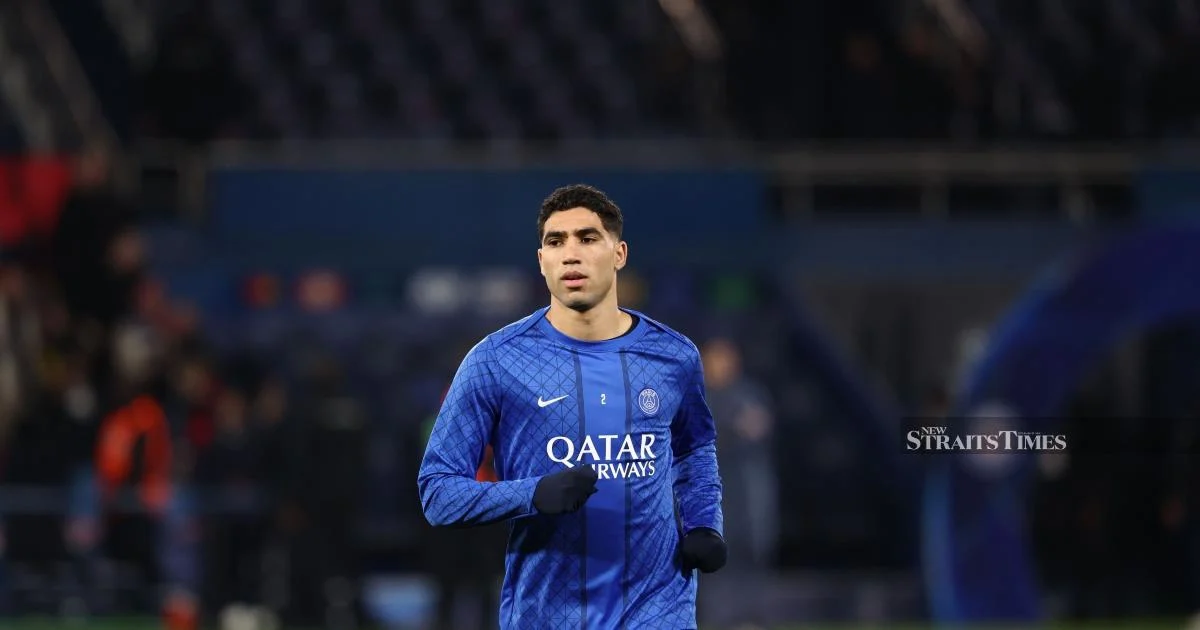
The Versailles appeals court in France has taken the significant step of confirming that Moroccan international footballer Achraf Hakimi must face trial on rape charges. The decision, handed down on Friday, represents a critical juncture in a case that has drawn international attention due to the defendant's prominent status in European football. Hakimi, who plays as a defender for Paris Saint-Germain, now faces formal criminal proceedings that could have far-reaching consequences for his career and reputation.
The allegations centre on an incident involving a young woman, with prosecutors maintaining sufficient evidence exists to proceed to a full trial. The appeals court's confirmation means the initial decision to pursue charges has withstood legal scrutiny and demonstrates that judges have found credible grounds for the serious accusation. This development underscores the growing willingness of European judicial systems to hold high-profile athletes accountable regardless of their celebrity status or earning power.
Hakimi's trajectory from Morocco to becoming one of Europe's most sought-after defenders makes this case particularly noteworthy within the African football community. The 26-year-old has represented Morocco at the highest international level and was part of the national squad during recent World Cup campaigns, earning significant recognition for his performances on the global stage. His transfer to PSG represented a major investment by the Parisian club in securing elite defensive talent.
The implications of this legal process extend beyond the individual case, touching on broader questions about athlete conduct and accountability. Unlike situations where matters might be resolved quietly through settlements or dismissed allegations, the French legal system's progression of the case signals that the severity of the charge warrants full judicial examination. This approach reflects evolving standards within professional football regarding allegations of sexual misconduct.
For Malaysian and Southeast Asian sports observers, the case underscores the interconnected nature of modern football, where developments involving European clubs and players resonate across international competitions and broadcasting networks. The standing of major clubs like PSG in global football consciousness means that allegations involving their players attract sustained media coverage and public scrutiny.
The judicial process ahead will require examining evidence, hearing testimony, and ultimately determining the facts through formal legal procedures. The timeline for such trials in the French system typically spans several months, meaning the case will likely generate periodic news cycles as proceedings advance. Hakimi's legal team will have opportunities to present a defence and challenge evidence presented by prosecutors.
From a regulatory perspective, football clubs and governing bodies face considerations about how to respond during ongoing legal proceedings. PSG will need to navigate the balance between respecting legal processes and managing institutional interests. FIFA and other football authorities may also face inquiries about appropriate responses to allegations involving their member nations' citizens.
The confirmation of trial proceedings carries significant weight for all parties involved. For the accuser, it represents validation that the justice system takes the allegation seriously. For Hakimi, it means confronting the full apparatus of criminal law, with consequences that could range far beyond sporting sanctions. The case will be closely monitored by legal observers, football analysts, and human rights groups concerned with athlete accountability.
Moroccan football authorities will likely monitor developments with particular attention given Hakimi's status as a national team representative. His on-field accomplishments have contributed to Morocco's standing in international football, but the legal matters now take precedence in determining his path forward. The country's reputation for producing world-class defensive talent may be complicated by the serious nature of these proceedings.
The broader football community is watching to see how these proceedings unfold and what precedents might be established. The case occurs within a context of heightened awareness surrounding allegations of sexual misconduct across professional sports globally. Whether through grassroots movements, investigative journalism, or formal legal challenges, there is demonstrably greater pressure on sporting institutions to address such matters substantively rather than minimising or ignoring them.
As the case progresses through French courts, the sporting world must contend with uncomfortable realities about athlete conduct and institutional responsibility. The appellate court's decision to uphold charges and confirm that trial will proceed represents a definitive statement that serious allegations will be examined thoroughly, regardless of a defendant's professional standing or financial resources. For Hakimi personally, the coming months will determine not only his legal fate but potentially his entire professional future.