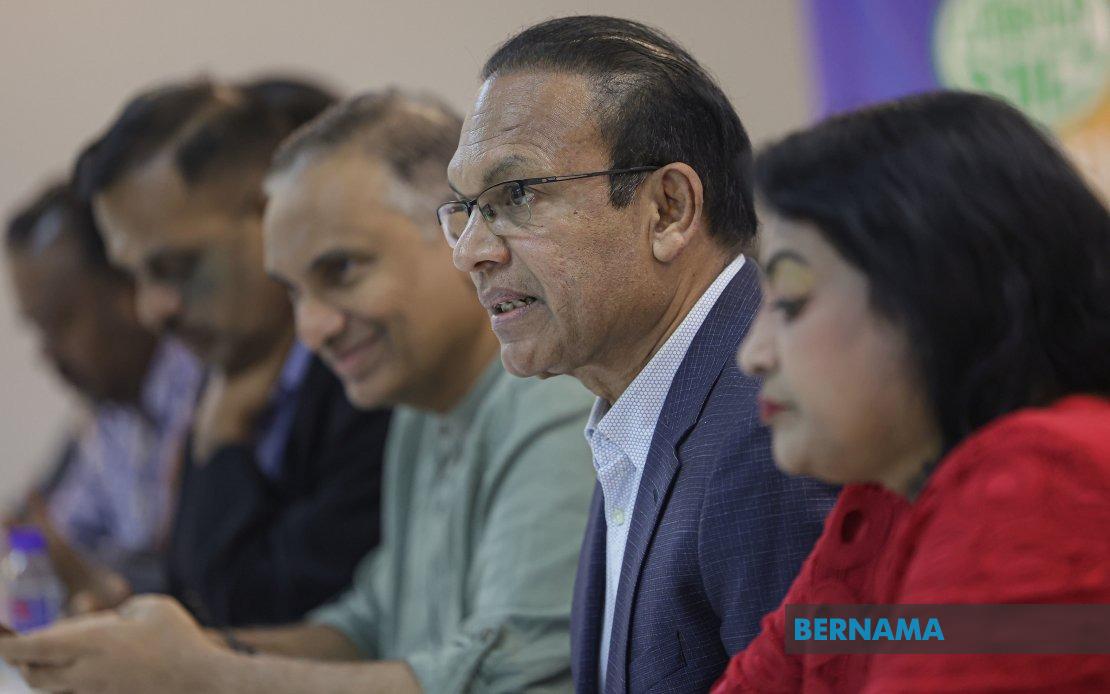
The Malaysian Indian Congress will field candidates in four constituencies during the upcoming Johor state election, party vice-president Datuk T. Murugiah announced on June 16. The allocation was formally confirmed by MIC president Tan Sri SA. Vigneswaran following recent strategic discussions with other Barisan Nasional component parties regarding contests in both Johor and Negeri Sembilan. The party's participation in these state-level polls represents a continuation of its longstanding role as a significant component of the ruling coalition's machinery across Malaysia's electoral landscape.
While the Johor allocation has been settled, MIC officials indicated that the final number of seats the party will contest in Negeri Sembilan remains subject to ongoing negotiations with coalition partners. Murugiah disclosed that the party is actively preparing candidates and party apparatus for the campaigns ahead, suggesting that internal preparations have already commenced in earnest. The flexibility regarding Negeri Sembilan's seat allocation reflects the complex horse-trading that typically characterises coalition electoral management, where component parties must balance their organisational capacity with the broader interests of maintaining Barisan Nasional's electoral viability across multiple states simultaneously.
To enhance its ground operations ahead of polling, MIC is mounting an intensive training programme targeting approximately 150 party speakers who will be deployed across Johor's constituencies. This training initiative, scheduled for a weekend session in Johor Bahru, underscores the party's recognition that effective communication with the Indian community requires carefully crafted messaging and public speaking capabilities. The speakers will be equipped with specific talking points and campaign narratives designed to resonate with Indian voters while coordinating messaging across all 56 state seats that Barisan Nasional is contesting in Johor. This strategic focus on the Indian community represents a standard component of coalition campaign architecture, where demographic-specific outreach through community-based party structures remains essential to winning broad electoral support.
The party's contest strategy appears shaped significantly by its performance in the previous Johor state election held in March 2022. MIC successfully captured three of four contested seats in that poll—specifically Kemelah, Kahang, and Tenggaroh—though it lost the Bukit Batu constituency. This mixed outcome likely informed internal discussions regarding which constituencies offer the most promising prospects for the upcoming election. According to party insiders, MIC is expected to retain its focus on Kemelah and Kahang while mounting a recovery bid in Bukit Batu, a seat it surrendered in the 2022 contest. The party is simultaneously negotiating a seat swap arrangement with UMNO, whereby Tenggaroh will be ceded to the Malay-Muslim dominated party in exchange for Perling, a constituency that may offer different electoral demographics or competitive positioning.
The seat-swapping arrangement between MIC and UMNO exemplifies the intricate coordination required within Barisan Nasional to maximise coalition-wide electoral outcomes. Rather than both parties contesting identical seats and potentially fragmenting opposition to stronger challengers, component parties strategically allocate constituencies based on perceived electoral viability and demographic composition. This approach allows the coalition to deploy resources more efficiently and present unified opposition to non-Barisan challengers. Such arrangements have become routine across Malaysian electoral politics and reflect the sophisticated political calculations that underpin coalition management at state and federal levels.
Party officials have indicated that approximately half of MIC's candidates in the Johor election will be new political faces rather than incumbent representatives. This generational renewal strategy aligns with broader patterns across Malaysian political parties, where leadership seeks to balance continuity with fresh perspectives and broader representational diversity. The emphasis on new candidates may also signal MIC's awareness that certain constituencies require different profiles or approaches to compete effectively in contemporary electoral contests. In Negeri Sembilan, the party is anticipated to contest two seats, though final confirmation remains pending coalition-wide allocation discussions between Barisan Nasional components.
Electoral timelines have been formally announced by the Election Commission, with Johor polling scheduled for July 11 and Negeri Sembilan voting taking place on August 1. Nomination of candidates in Johor will occur on June 27, providing a compressed window for finalising candidate selections and launching campaign activities. The staggered electoral calendar across states creates distinct campaign phases for Barisan Nasional and other political entities, requiring sophisticated campaign resource allocation and messaging coordination. MIC's preparation activities, including the Johor Bahru speaker training, are strategically timed to ensure campaign readiness before the nomination deadline.
Beyond electoral mechanics, MIC is leveraging its 80th anniversary celebrations as an opportunity to strengthen community engagement and party institutional presence. Murugiah announced that MIC will organise sports competitions across 152 locations nationwide on the same weekend as the speaker training programme. These competitions, encompassing football, badminton, bowling, carrom, and hiking, are designed to attract participants from all ethnic communities rather than being exclusively Indian-focused. This inclusive approach reflects MIC's broader positioning as a component of the multiethnic Barisan Nasional coalition while simultaneously providing platforms for community mobilisation and party brand promotion at grassroots levels.
The strategic deployment of sporting and community events during an election period represents a conventional though sophisticated political tactic employed by Malaysian parties across the ideological spectrum. Such activities generate positive publicity, facilitate direct engagement with potential voters in non-confrontational settings, and provide opportunities for party representatives to articulate their vision and platforms through informal community interactions. For MIC specifically, these initiatives underscore the party's commitment to maintaining organisational vitality and relevance within Malaysian politics despite periodic questions regarding its electoral viability and representation of Indian community interests.
MIC's electoral participation in Johor and Negeri Sembilan remains contingent upon the coalition dynamics that characterise Barisan Nasional's broader political strategy. The party's allocation of four seats in Johor, while representing a modest numerical presence, provides essential representation for Indian community interests within state legislative bodies. The emphasis on training speakers and mobilising grassroots support indicates that party leadership views these elections as significant opportunities to demonstrate continued electoral relevance. As Malaysia's political landscape continues to evolve, MIC's capacity to deliver support within Indian constituencies remains a factor in coalition electoral calculations, particularly in states where the Indian electorate constitutes a significant proportion of total voters.


