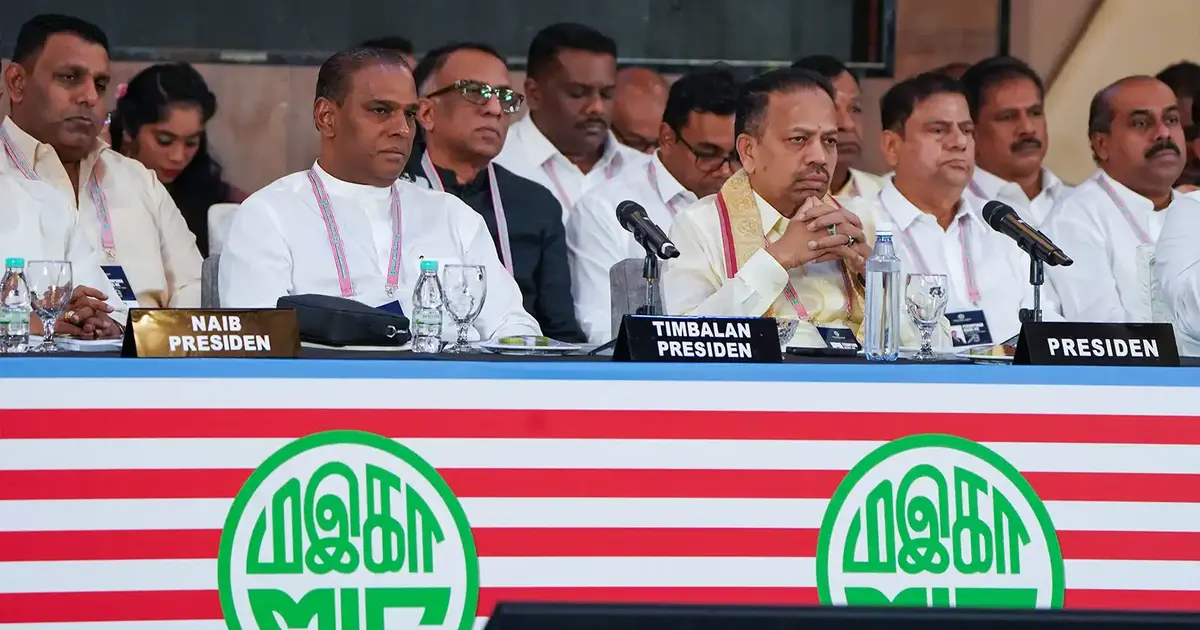
The Malaysian Indian Congress (MIC), the Indian-based component party within the Barisan Nasional (BN) coalition, is preparing for a selective campaign in the upcoming Johor state elections, committing resources to directly contest two parliamentary constituencies while trading away a third seat to coalition partner Umno in a strategic allocation agreement that underscores how Malaysian politics continues to operate through seat-sharing arrangements between allied parties.
MIC's overall footprint in the state will encompass four seats across different electoral tiers, though the party's direct candidacy will be limited to two of these positions. This selective approach reflects the broader reality facing component parties within Malaysia's long-standing coalitional structures—where electoral mathematics often demand that seats be distributed according to perceived party strength, historical performance, and negotiating leverage rather than open competition between allies. The arrangement demonstrates Umno's continued dominance in seat allocation discussions, even as it shares power with smaller BN members.
Among the seats MIC will defend is Bukit Batu, a constituency where the party holds incumbent advantages and has historically demonstrated electoral viability. Bukit Batu represents a traditional stronghold where MIC has competitive standing and where the party believes it can mobilise sufficient voter support to retain representation. The constituency's demographics and voting patterns make it a logical priority for the party's campaign efforts, allowing MIC to concentrate messaging and ground operations in areas where victory probabilities are highest.
For Malaysian readers following state-level politics, the significance of such seat arrangements extends beyond simple numerical allocations. These agreements reveal how Barisan Nasional maintains internal cohesion despite its declining electoral fortunes—by ensuring that component parties receive substantive contests in constituencies where they retain residual support bases. This mechanism has historically allowed MIC to participate in government at state and federal levels despite representing a minority community, though the party has faced declining membership and electoral performance over successive election cycles.
The decision to yield one seat to Umno reflects pragmatic calculations about resource allocation and electoral realism. Rather than contest a seat where Umno likely possesses stronger machinery and clearer pathways to victory, ceding the constituency allows both parties to avoid internal damage that contested primaries might inflict. This approach preserves coalition unity while acknowledging existing power differentials within the partnership—a balancing act that becomes increasingly delicate as electoral margins tighten across Malaysian states.
Johor represents a particularly significant battleground for Malaysian politics, as the southern state has traditionally formed part of Umno's core support structure. Control of state legislative seats carries implications for government formation, resource allocation, and the distribution of state-level patronage networks that sustain these political machines. For MIC, maintaining representation in Johor's state assembly, even in reduced numbers, ensures the party retains voice in Johor's decision-making bodies and access to state-level positions and contracts.
The party's strategic approach to Johor reflects broader trends within BN's component structure. Smaller parties have increasingly adopted focused strategies, concentrating on constituencies where they possess genuine competitive advantages rather than dispersing resources across numerous seats where they face near-certain defeats. This strategic contraction, while pragmatic, underscores how component parties' electoral influence has diminished relative to their historical positions, requiring them to be more selective about where they deploy campaign machinery and political capital.
For Indian-Malaysian voters, these seat-sharing negotiations determine which party will represent their communities and which political representatives will advocate for their interests in state assemblies. The concentration of MIC's direct contests in certain constituencies means that Indian voters in other areas will choose between Umno-fielded candidates or opposition parties, fragmenting the community's electoral representation and potentially diminishing MIC's institutional influence even within its traditional support base.
The broader context of Johor elections cannot be separated from national political dynamics. Barisan Nasional's overall performance in Johor will significantly influence whether the coalition can sustain state-level governments and maintain political relevance in an increasingly competitive electoral environment where Pakatan Harapan and other opposition coalitions have demonstrated growing capacity to capture state-level power. For component parties like MIC, state-level contests serve as platforms to demonstrate viability and justify continued participation in federal-level coalitional arrangements.
The mechanics of seat-swapping between coalition partners, while appearing as routine internal negotiations, actually represent ongoing adjustments to Malaysia's political architecture. Each allocation decision implicitly acknowledges which parties retain electoral weight and which have diminished to marginal status. MIC's participation in this process, even on reduced terms, maintains its formal role within BN while reflecting its constrained electoral position compared to dominant partners like Umno.


