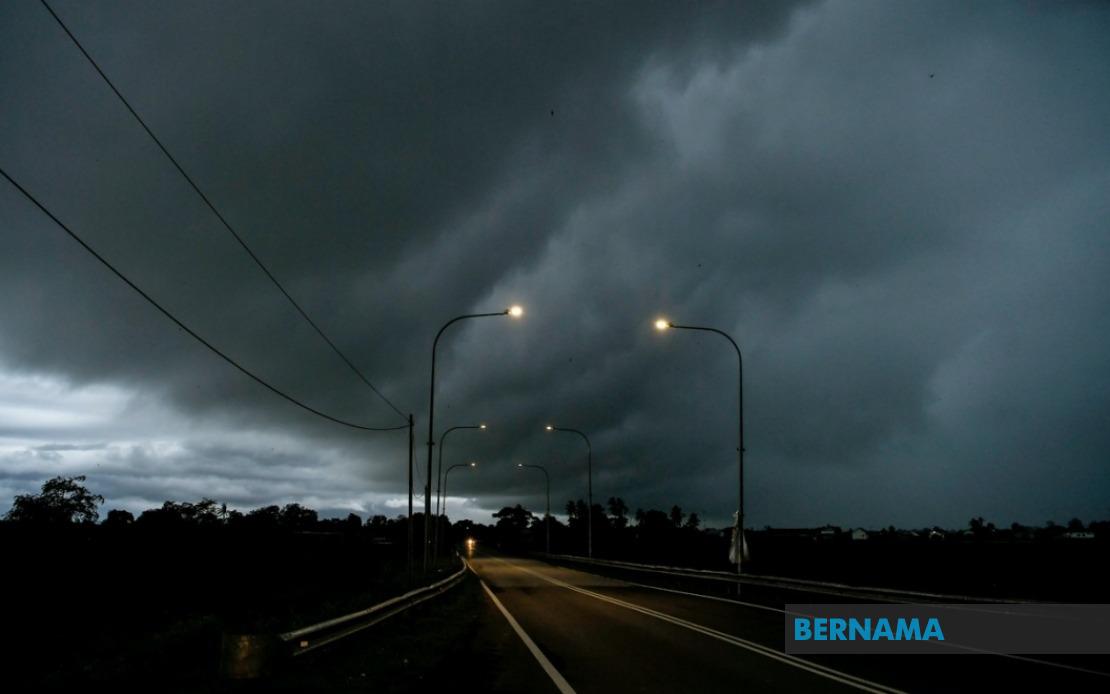
The Malaysian Meteorological Department has activated weather alerts across a significant portion of the country, warning residents and authorities of imminent thunderstorm activity accompanied by heavy precipitation and gusty winds. The alert, announced on June 18, remains in effect until 1 am the following day, giving residents and emergency services a narrow window to prepare for potentially hazardous conditions. The geographical spread of the warning underscores the scale of the weather system moving across the region and the need for heightened vigilance among affected communities.
In Peninsular Malaysia, the thunderstorm warning blankets select districts across four states. Kedah residents in Padang Terap, Sik and Baling face the prospect of intense rainfall and electrical activity, while the mountainous region of Hulu Perak in Perak has been flagged for similar conditions. The east coast state of Kelantan carries particular concern, with five districts—Tumpat, Pasir Mas, Jeli, Tanah Merah and Kuala Krai—placed under alert. Pahang's Jerantut district completes the peninsular portion of the warning, suggesting that the weather system is predominantly affecting the northern and central regions of the country.
Sarawak, Malaysia's largest state, bears the most extensive geographical impact of the warning. An expansive list of districts spanning the entire state from coastal areas to interior regions have been included in the alert. Kuching and Samarahan, both in the densely populated southwest, join with Serian and Sri Aman in facing potential severe weather. The inland areas present equal concern, with districts such as Kapit, Bukit Mabong, Sibu's Kanowit and Selangau, and Bintulu all designated for the warning. The division covering Miri extends the affected zone northward to include Subis, Beluru, Miri itself and Marudi, while Limbang district on the state's northern border and Betong on the southern frontier round out the comprehensive coverage that indicates a weather system of considerable proportions affecting Sarawak.
Sabah's portion of the alert focuses on specific districts across three administrative divisions. The Interior division's Kuala Penyu, the West Coast division's Putatan and Ranau, and the Sandakan division's Telupid and Beluran constitute the mainland alerts. The federal territory of Labuan, situated between Sarawak and Sabah in the South China Sea, has also been placed under the thunderstorm warning, suggesting that the system possesses sufficient strength to affect offshore areas as well.
Thunderstorm warnings carry particular significance for Malaysia's diverse geography and population patterns. For communities in rural and mountainous areas such as Hulu Perak and the Kelantan districts bordering Thailand, heavy rainfall poses risks of landslides, flash flooding in low-lying valleys, and temporary disruption to transportation networks. Urban centres like Kuching and Kuala Lumpur's periphery require residents to exercise caution regarding electrical hazards during peak storm activity, while the strong wind component of the warning necessitates securing loose outdoor items and exercising heightened safety awareness.
The six-hour warning window, extending through the early morning hours, presents operational challenges for emergency services and government agencies across multiple states. Sabah and Sarawak's geographical remoteness means that some interior districts may experience delayed warning dissemination or face complications in coordinating response efforts. The timing through the night hours compounds concern, as visibility becomes severely compromised during heavy rainfall, potentially hampering rescue and response operations should incidents occur.
For the transportation sector, the alert carries implications for both road and air operations. The strong wind component, combined with reduced visibility from heavy rain, may necessitate temporary suspensions or delays to flights from airports serving the affected regions, particularly those in Sarawak and Sabah. Highway authorities across the peninsular states will likely increase monitoring of critical routes susceptible to flooding or landslides, particularly in Kelantan and Pahang where previous monsoon seasons have documented such incidents.
The broader meteorological context reveals that such alerts, while common during Malaysia's monsoonal periods, require serious attention given the country's vulnerability to flood-related disasters. Previous severe weather events have caused significant economic losses and claimed lives, making public awareness and preparedness essential components of disaster risk reduction. Communities should ensure that drainage systems are unobstructed, that storm drains function properly, and that vulnerable populations such as those in low-lying areas have access to evacuation routes and shelters should flooding develop beyond the typical thunderstorm range.
MetMalaysia's issuance of such geographically extensive warnings demonstrates the increasing sophistication of Malaysia's weather monitoring capabilities, yet also highlights the inherent unpredictability of tropical weather systems that can intensify or shift unexpectedly. Residents across all affected areas are advised to monitor official updates from MetMalaysia and local authorities, remain indoors during the peak of the storm activity, and avoid travel unless absolutely necessary. The alert serves as a timely reminder that despite Malaysia's advanced infrastructure and services, the tropical climate remains a force commanding respect and preparedness from all stakeholders.


