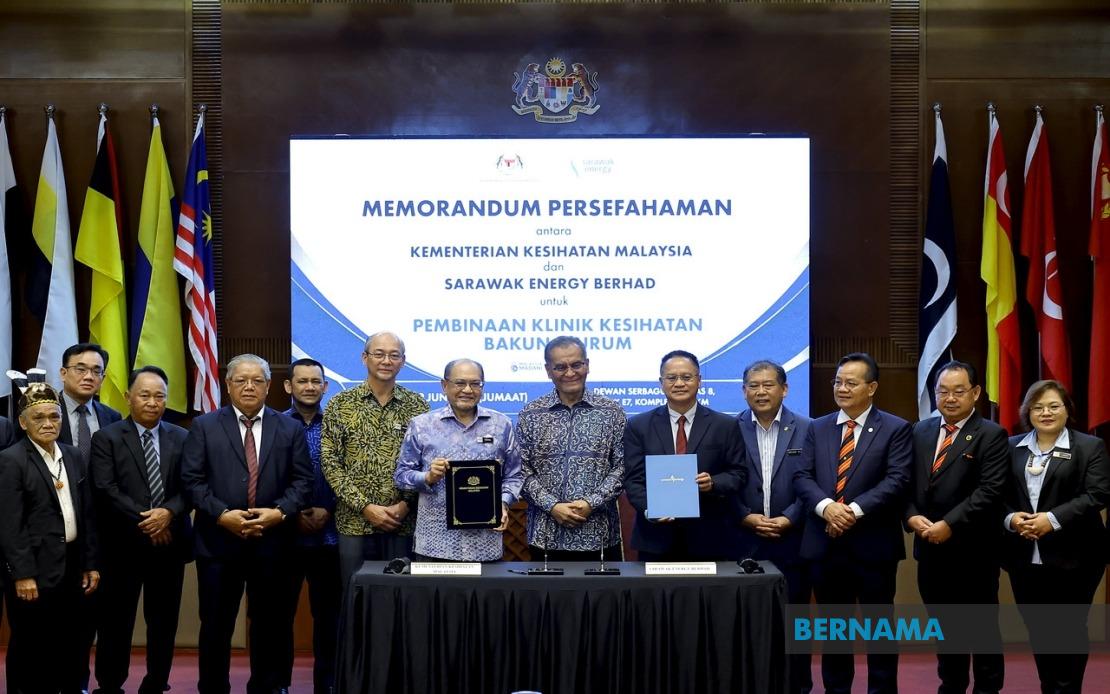
The Malaysian Health Ministry has signalled it is on the brink of dismantling key bureaucratic obstacles that have slowed the production of medical specialists, a critical bottleneck as the country battles a substantial workforce shortage. Health Minister Datuk Seri Dr Dzulkefly Ahmad disclosed the progress while overseeing the signing of a memorandum of understanding between the ministry and Sarawak Energy for construction of the Bakun-Murum Health Clinic at a Putrajaya event on June 19. The minister's comments came amid mounting concern over Malaysia's reported deficit of approximately 11,000 specialists, a figure that encompasses shortages across both the public healthcare system and private medical institutions.
The scale of Malaysia's specialist shortage represents a genuine pressure point for the nation's healthcare infrastructure, particularly as the population ages and demand for specialized services intensifies. This gap affects everything from surgical capacity and diagnostic expertise to specialized pediatric and geriatric care. The bottleneck has become increasingly difficult for hospital administrators to manage, with existing specialists often stretched across multiple responsibilities and public sector institutions struggling to fill vacant consultant positions. Unlike developed nations where specialists represent a larger share of the medical workforce, Malaysia's current configuration leaves tertiary care facilities vulnerable to disruption when key specialists retire or relocate.
Dr Dzulkefly acknowledged the existence of bureaucratic constraints while asserting that resolution lay imminent. The ministry has conducted a thorough diagnostic review identifying specific procedural hurdles that obstruct the pathway from junior medical officers through to full specialist accreditation and deployment. These constraints span multiple dimensions: the lengthy approval processes for specialist training positions, rigid workforce planning frameworks that fail to respond nimbly to emerging healthcare needs, and administrative procedures governing the recognition of specialist qualifications obtained through various training routes. The minister's statement represents a tacit admission that Malaysia's healthcare governance structures, while well-intentioned, have not kept pace with the sector's evolution.
Authentic reform of specialist training systems requires careful calibration between multiple competing pressures. The ministry operates within fiscal constraints that limit how rapidly it can fund new training positions. Simultaneously, the ministry must ensure that specialist workforce expansion aligns with the physical infrastructure available—establishing a cardiac surgeon position without corresponding catheterization facilities, for instance, would be counterproductive. Dr Dzulkefly emphasized this synchronization principle, explaining that increases in specialist numbers must proceed in tandem with infrastructure development rather than outpacing it. This measured approach, while bureaucratically sound, does mean that solving the shortage cannot happen overnight regardless of administrative improvements.
The ministry's interim response involves deploying a cluster crisis management framework across hospital networks. Under this arrangement, tertiary care facilities within geographical or administrative clusters function with greater operational flexibility, allowing hospitals to redeploy specialists and support staff according to immediate demand fluctuations. A cardiologist whose presence is temporarily less critical at one institution might provide consultancy services at a nearby facility facing patient surge. Health clinics within the cluster coordinate more tightly with hospital counterparts, reducing duplicative services and enabling primary care settings to manage routine cases that would otherwise overwhelm specialist-dependent departments. This system provides breathing room while the ministry executes its longer-term structural reforms.
For Malaysian healthcare practitioners and administrators, the ministry's timeline matters considerably. Specialists working in the public sector report burnout from chronic understaffing, and the ability to recruit new graduates into specialist training positions remains constrained by outdated administrative categories and approval mechanisms. Young doctors evaluating career trajectories often choose to migrate to private practice, Singapore, or Australia rather than endure lengthy specialist training pathways that lack guaranteed employment outcomes. Resolving bureaucratic impediments could accelerate the career progression of several cohorts of trainees currently caught in bottlenecks, providing some relief within two to three years if implementation proves swift.
Regional context underscores the significance of Malaysia's specialist shortage. Singapore and Thailand have developed more fluid specialist training ecosystems that permit faster pathway progression, giving those nations competitive advantages in healthcare talent retention. Several Southeast Asian nations face similar demographic pressures driving demand for specialized care, yet structural differences in workforce governance affect how quickly each nation can respond. Malaysia's commitment to dismantling bureaucratic obstacles positions the country to potentially lead regional efforts in reforming medical specialist development systems, potentially attracting interest from neighboring health systems grappling with identical challenges.
The geographic distribution of specialists represents an unaddressed dimension of Malaysia's shortage. Major teaching hospitals in Kuala Lumpur and Penang concentrate substantial specialist populations, while East Malaysian facilities and rural peninsular hospitals struggle with severe gaps. Expanding specialist numbers without simultaneously addressing geographic dispersion risks perpetuating regional health inequities. The Bakun-Murum Health Clinic initiative in Sarawak appears partly motivated by this concern, though clinics alone cannot substitute for specialist availability at district and state hospital levels. Truly comprehensive workforce reform requires mechanisms that incentivize specialists to locate in underserved regions, whether through financial inducements, enhanced career development opportunities, or improved quality-of-life provisions.
Implementation speed will determine whether the ministry's bureaucratic reforms deliver tangible results within reasonable timeframes. Public sector change initiatives in Malaysia have historically encountered delays during execution despite clear political commitment. The physician workforce, already fatigued from pandemic-related disruptions and staffing pressures, will require visible progress to maintain morale. Dr Dzulkefly's emphasis on keeping healthcare services uninterrupted while implementing change acknowledges this reality, though the challenge of delivering both simultaneously should not be underestimated. The cluster crisis management approach provides a temporary stabilizer, but permanent solutions demand completion of the administrative overhaul.
For patients and the broader Malaysian public, resolution of the specialist shortage translates directly to healthcare access and quality outcomes. Surgical waiting lists that currently extend months could shorten, diagnostic delays in complex cases could diminish, and the ability of the public system to retain specialist expertise could strengthen. The current shortage creates perverse incentives that push patients toward private sector care even when public options might suffice, widening health equity gaps and imposing financial hardship on families. The Health Ministry's commitment to accelerating specialist development thus represents an investment in healthcare system resilience and equitable access, making the urgency of bureaucratic reform genuinely consequential for millions of Malaysians.