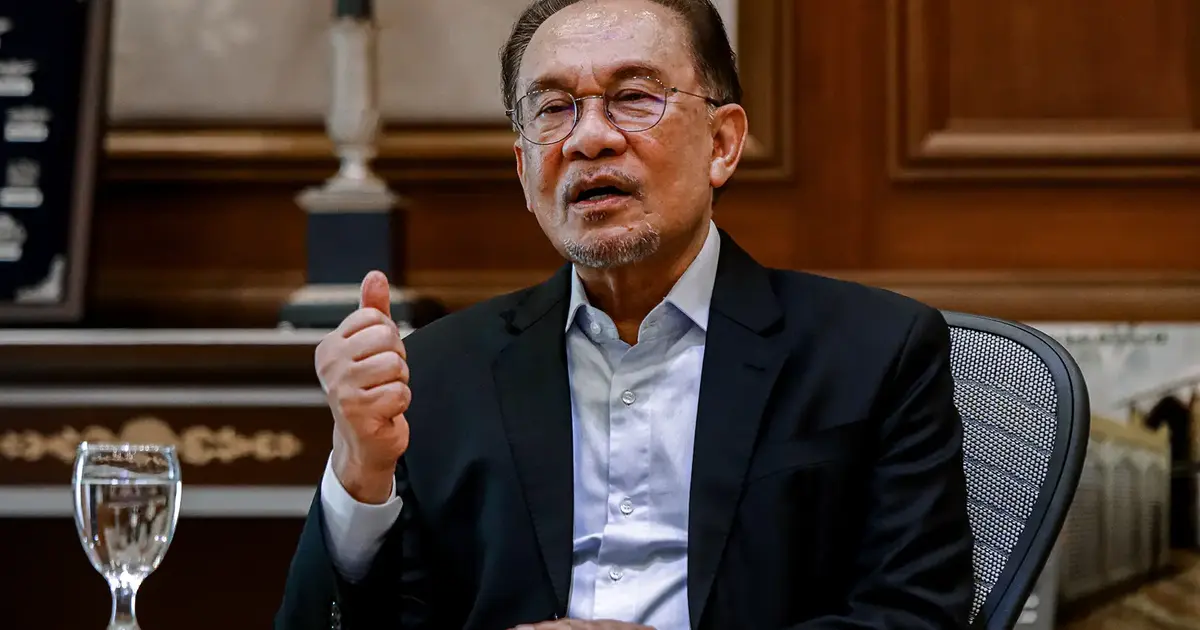
Prime Minister Anwar Ibrahim has delivered a forceful message to Europe, asserting that developing nations are increasingly unwilling to tolerate what they perceive as discriminatory or inequitable treatment from Western powers. Speaking on the matter, Anwar framed the issue as part of a broader dynamic reshaping how lower-income countries engage with traditionally dominant economies, signalling a significant shift in Malaysia's diplomatic posture.
Anwar pointed to Malaysia's ongoing defence-related disagreement with Norway as a concrete illustration of his thesis. Rather than characterising the dispute as a minor commercial or technical disagreement, the Prime Minister elevated it to a symbol of larger systemic imbalances in international relations. By invoking this specific case, Anwar sought to demonstrate that Malaysia refuses to accept what it deems as one-sided treatment or pressure from Norwegian authorities, regardless of that nation's international reputation for neutrality and fairness.
The Norwegian dispute, though not extensively detailed in Anwar's remarks, appears to centre on defence procurement or military-related matters where Malaysia believes its interests have been unfairly compromised. Rather than accepting whatever terms or conditions Norway has imposed, Malaysia is actively pursuing alternative pathways and solutions. This stance reflects a calculated strategy of diversification—avoiding dependence on any single supplier or partner nation, particularly those from the Global North.
Anwar's framing of this issue within a broader narrative about developing-nation sovereignty is particularly significant for Southeast Asian observers. Malaysia, as a middle-income nation with growing geopolitical influence, is positioning itself as a voice for countries that have historically wielded less power in international negotiations. This rhetorical positioning carries implications for how Malaysia conducts future dealings with European governments and multinational institutions.
The Prime Minister's remarks also underscore Malaysia's pragmatic approach to balancing multiple partnerships. By publicly rejecting unfair terms from one European nation, Anwar is signalling to other regional partners—both within ASEAN and beyond—that Malaysia will not compromise on what it views as its legitimate interests. Simultaneously, the emphasis on seeking alternative solutions suggests openness to engagement with non-European partners, whether from Asia, the Middle East, or other regions.
This declaration arrives amid broader global realignments where developing nations have gained greater leverage in negotiations with traditional Western powers. The rise of alternative partnerships, development financing mechanisms outside Western-dominated institutions, and the growing economic weight of Asia have collectively empowered countries like Malaysia to push back against terms they consider unfair. Anwar's comments reflect this shifting balance.
The defence sector has become an increasingly important arena for these negotiations. Countries across Southeast Asia are modernising their military capabilities, creating significant opportunities for foreign suppliers. However, these same nations are becoming more discerning about the conditions attached to such acquisitions, including technology transfer requirements, offset arrangements, and political strings. Malaysia's willingness to walk away from Norway's terms demonstrates this newfound assertiveness.
For Malaysia specifically, the ability to pursue alternatives carries strategic weight. The country can potentially source defence equipment and services from established suppliers like Russia, China, or India, or from emerging regional partners. This diversification prevents any single nation from holding disproportionate leverage over Malaysian defence decisions. Anwar's public stance reinforces Malaysia's credibility in pursuing such alternatives, making them genuine options rather than mere bargaining chips.
The implications for European nations are considerable. If Malaysia maintains its hardline position and successfully secures acceptable alternatives elsewhere, other developing nations may follow suit. This could gradually erode European competitive advantages in key sectors like defence, technology, and infrastructure development. European firms and governments would then face pressure to recalibrate their approach to business with developing economies, offering more equitable terms and greater respect for partner nations' sovereignty.
Within ASEAN, Anwar's assertiveness may resonate with other member states facing similar pressures. Vietnam, Indonesia, and the Philippines all navigate complex relationships with European nations while balancing partnerships with China, India, and Russia. Malaysia's willingness to publicly challenge European actors may encourage others to adopt similarly principled stances, potentially creating a more united regional front in negotiations with external powers.
The economic dimension of Anwar's position deserves emphasis. Developing nations collectively represent enormous markets and investment opportunities. When leaders like Anwar articulate that they will not accept unfair treatment, they are reminding developed countries that access to these markets comes with a price—namely, respect for sovereignty and equitable dealing. This leverages the fundamental attractiveness of Asian economies to Western businesses and governments.
Looking forward, Malaysia's approach under Anwar suggests a government committed to protecting national interests while maintaining pragmatic relationships with traditional partners. The emphasis on seeking alternatives is not necessarily hostile rhetoric; rather, it represents a realistic acknowledgement that the world now offers multiple options for countries willing to shop around. European nations would be wise to take such declarations seriously and adjust their engagement strategies accordingly.
Ultimately, Anwar's message reflects a maturing Malaysian foreign policy that balances respect for international norms with unwillingness to be exploited. For regional observers, it signals that Southeast Asian nations are becoming increasingly confident in asserting their interests on the global stage, reshaping international relations in the process.