Prime Minister Datuk Seri Anwar Ibrahim has expressed Malaysia's backing for an emerging agreement between the United States and Iran aimed at resolving their long-standing tensions, signalling Kuala Lumpur's commitment to regional and global stability. In a public statement on social media, Anwar commended the diplomatic breakthrough and acknowledged the pivotal contribution made by Pakistan in facilitating dialogue between the two adversaries. The Malaysian leader's intervention reflects the country's broader strategic interest in maintaining international order and safeguarding critical sea lanes that underpin Southeast Asian prosperity.
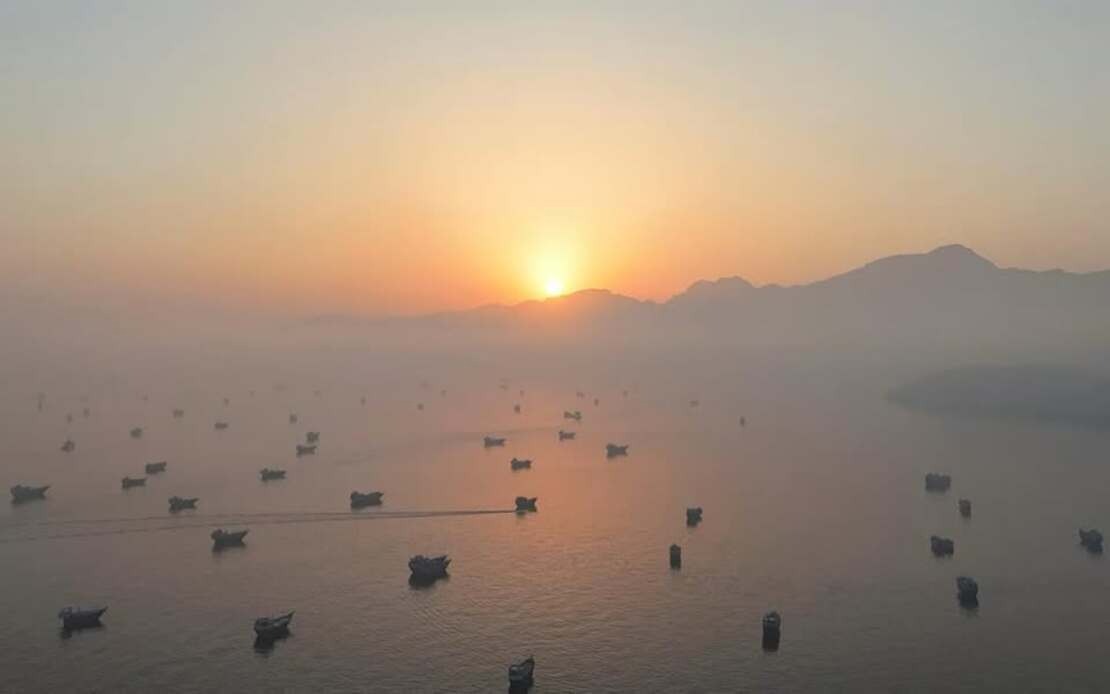
Anwar's most urgent concern centres on the immediate restoration of the Strait of Hormuz to unrestricted international maritime traffic. Describing this vital waterway as a critical artery for global energy supplies and international commerce, the Prime Minister stressed that any prolonged closure threatens not only regional stability but worldwide economic interests. For Malaysia and other regional trading nations, unimpeded passage through the Strait represents a fundamental requirement for their commercial lifelines, making its reopening a matter of pressing national concern.
The Prime Minister characterised the current juncture as exceptionally delicate, demanding restraint from all parties involved and from external powers with influence in the region. He explicitly warned against actions that might undermine the fragile diplomatic progress already achieved or reignite conflict between Washington and Tehran. This emphasis on avoiding provocative steps suggests that Anwar recognises how quickly escalating tensions in the Middle East can spiral beyond the control of diplomats, with unpredictable consequences for global markets and supply chains.
Anwar has appealed to both the US and Iran to proceed in good faith and without unnecessary delay in converting their current understanding into a binding and enduring peace settlement. His call for swift action reflects awareness that preliminary agreements, while significant, remain vulnerable to reversal if implementation lags or if domestic political pressures in either country mount. By urging momentum, Anwar implicitly signals that hesitation could provide openings for opponents of the deal in both capitals to derail further progress.
Beyond calling for bilateral compliance, Anwar has issued a broader appeal to the international community to sustain diplomatic pressure and maintain the positive trajectory established through recent negotiations. He emphasised that Malaysia itself remains prepared to contribute to peace-building endeavours, whether through multilateral forums, humanitarian initiatives, or behind-the-scenes diplomatic engagement. This positioning reflects Malaysia's traditional role as a bridge-builder between diverse global interests, particularly given its Islamic heritage and its connections with both Western and Middle Eastern partners.
The Malaysian position carries particular weight in Southeast Asia, where several nations depend heavily on stable Middle Eastern relations for energy imports and market access. A prolonged US-Iran confrontation risks destabilising global oil prices, disrupting supply chains, and creating security challenges that inevitably ripple through the region. Malaysia's diplomatic intervention thus serves both principled commitment to conflict resolution and pragmatic economic self-interest in maintaining global stability.
President Donald Trump's formal announcement of the agreement, including his authorisation to reopen the Strait of Hormuz and lift the American naval blockade, provided the concrete backdrop for Anwar's statement. The American decision to reverse course on prior hardline policies signals a significant recalibration of US Middle East strategy, one that regional actors like Malaysia are eager to support before internal American political dynamics potentially shift again. The transactional nature of Trump's decision-making creates both opportunity and uncertainty, making regional endorsement and pressure for rapid implementation strategically important.
Pakistan's mediation role, which Anwar specifically acknowledged, underscores the broader diplomatic architecture emerging in Asia where middle-power nations increasingly serve as crucial intermediaries between superpowers and rivals. Pakistan's success in facilitating this breakthrough reflects its geographical proximity to both Iran and its historic ties to American security interests, positioning it as a natural go-between. Malaysia's recognition of Islamabad's efforts suggests Kuala Lumpur may seek enhanced coordination with other Muslim-majority nations in supporting subsequent peace implementation steps.
The emphasis on avoiding renewed hostilities and maintaining diplomatic momentum indicates Malaysian policymakers understand that the tentative agreement remains vulnerable to collapse. Recent decades of US-Iran enmity have created deep institutional interests and ideological commitments on both sides that could reassert themselves if the peace process stalls. Malaysia's call for sustained international engagement aims partly to prevent such regression by embedding the agreement within broader multilateral frameworks where third parties can exert stabilising influence.
For Malaysian domestic audiences, Anwar's statement also demonstrates the government's engagement with major international security issues and its capacity to shape regional narratives through principled diplomacy. By positioning Malaysia as a supporter of peace and stability rather than as a passive observer, Anwar reinforces an image of Malaysia as a responsible international actor with genuine influence in global affairs. This narrative carries implications for Malaysia's broader foreign policy objectives, including its aspirations for greater regional leadership and recognition as a voice for the Global South.
The emphasis on the Strait of Hormuz specifically reflects Malaysia's acute awareness of its own maritime vulnerabilities and economic dependencies on global trade. Any disruption to this critical chokepoint threatens Malaysia's position as a major trading nation and potentially affects its energy security. By championing Hormuz's reopening, Anwar connects Malaysian national interests to broader international stability in language that resonates with both Western and Islamic-majority audiences, demonstrating sophisticated diplomatic messaging.
Moving forward, the Malaysian government's willingness to support the emerging US-Iran understanding positions Kuala Lumpur to play constructive roles in implementation mechanisms or in mediating any disputes that emerge during the peace settlement phase. Malaysia's demonstrated neutrality, combined with its regional prestige and Islamic connections, may render it particularly valuable to mediators seeking credible neutral parties to monitor compliance or facilitate ongoing dialogue.


