The Malaysian government has committed to strengthening its outreach to young people in response to pressing calls from the Perak palace to address extremism and the spread of false information online. The Prime Minister's Department (Religious Affairs) announced on June 18 that it will integrate the directives outlined in Sultan Nazrin Shah's recent address into its strategic planning and programme delivery across the nation.
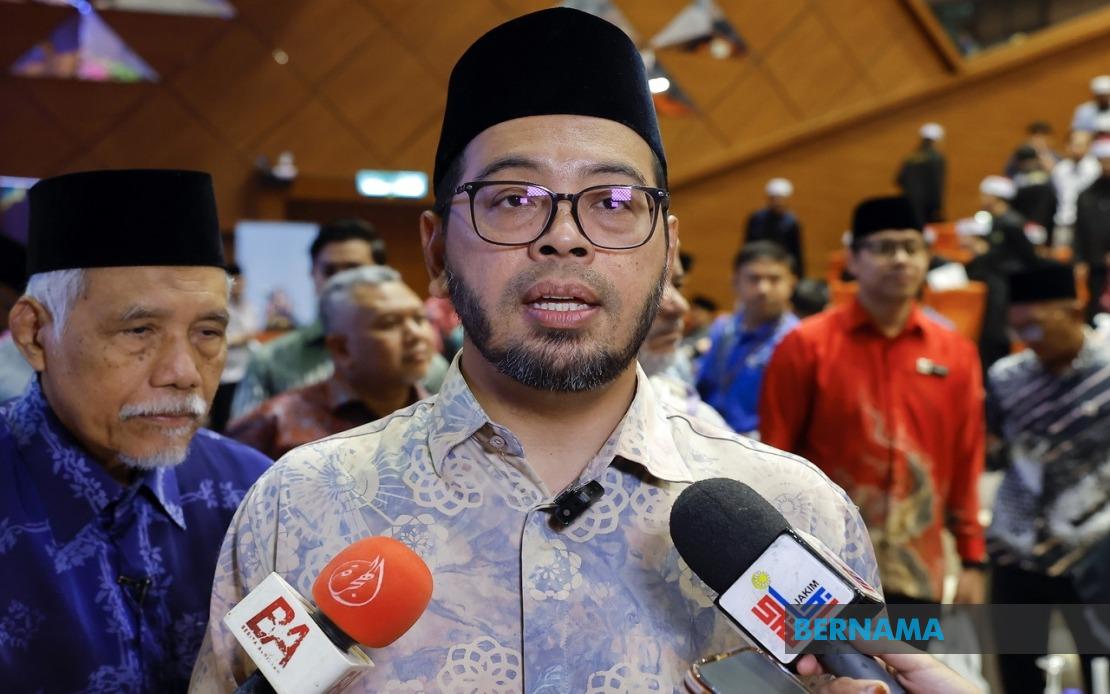
Dr Zulkifli Hasan, Minister in the Prime Minister's Department (Religious Affairs), pledged that his office would treat the Sultan's message as a foundational guide for future initiatives. Speaking during the National and International Tokoh Ma'al Hijrah Premier Lecture 1448/2026 in Putrajaya, he underscored the department's determination to operationalise the royal advice by embedding its core themes into mainstream government communications and policy frameworks.
The Sultan's intervention comes at a time when religious and community leaders across Malaysia face mounting pressure to tackle interconnected social challenges. Just days before the announcement, Sultan Nazrin Shah delivered a comprehensive address highlighting the urgent need for religious figures to engage more actively with younger demographics. His concerns centred on the mushrooming influence of extremist messaging, the rapid proliferation of unverified claims through digital channels, and the corrosive effect both phenomena are having on social cohesion.
Young Malaysians today navigate a complex landscape of competing pressures and anxieties. Beyond traditional concerns, the generation coming of age in the 2020s grapples with existential threats such as climate crisis, regional conflicts, and economic volatility that directly impact job prospects and living standards. Digital platforms, while offering unprecedented connectivity and information access, have simultaneously become breeding grounds for polarising content and conspiracy theories that deepen societal rifts.
The Sultan's diagnosis identified a critical gap: religious leaders, traditionally positioned as moral anchors within their communities, have not adequately stepped into the role of digital-era educators and counters to harmful narratives. The palace noted that trust in established institutions has eroded among many young people, creating a vacuum that misinformation and extremist recruiters are quick to exploit. Without proactive engagement from respected religious voices, the polarisation trend is likely to accelerate rather than reverse.
Malaysia's response reflects broader regional anxieties about radicalisation and information warfare. Across Southeast Asia, governments have struggled to balance free expression with security imperatives as militant groups and hostile state actors increasingly weaponise digital channels to spread propaganda. The Malaysian approach—positioning religious leaders as frontline messengers for counter-extremism—aligns with successful models pioneered in countries such as Indonesia and Singapore, where faith-based organisations have demonstrated capacity to reach audiences unreceptive to government messaging alone.
Dr Zulkifli's commitment to mainstream the Sultan's message signals that new programmes will likely emphasise collaboration between government agencies, religious institutions, educational bodies, and civil society organisations. This multi-stakeholder approach recognises that no single institution can effectively counter misinformation or prevent radicalisation; instead, a coordinated ecosystem approach that leverages the credibility and reach of diverse actors offers better prospects for success.
The timing of this initiative is particularly significant given Malaysia's increasingly diverse and digitally sophisticated youth population. Young Malaysians are not passive consumers of content but active producers and sharers, meaning any counter-narrative strategy must be participatory and platform-savvy rather than didactic or condescending. Religious leaders tasked with engaging this demographic will need training, resources, and institutional support to develop messaging that resonates authentically rather than appearing forced or out of touch.
Implementation challenges should not be underestimated. Malaysia's religious landscape is complex, with both federal and state jurisdictions exercising authority over Islamic affairs, while Christian, Buddhist, Hindu, and other faith communities operate independently. Coordinating messaging and programmes across these boundaries while respecting doctrinal differences will require diplomatic skill and genuine commitment to interfaith cooperation. Additionally, equipping religious leaders with digital literacy and counter-misinformation techniques represents a significant capacity-building undertaking.
The government's receptiveness to the Sultan's directive also underscores the continuing influence of constitutional monarchy within Malaysia's political architecture. Rather than viewing royal advice as ceremonial, the Prime Minister's Department has chosen to treat it as operational guidance, demonstrating respect for institutional checks and the palace's role as custodian of national values and social harmony. This approach may set a precedent for how executive agencies respond to future royal interventions on matters of public concern.
For regional observers, Malaysia's heightened focus on youth engagement against extremism carries implications beyond its borders. The country's experience in managing religious diversity, balancing federal and state interests, and coordinating multi-sectoral responses to transnational threats such as violent extremism offers valuable lessons for neighbouring nations facing similar challenges. Success could position Malaysia as a thought leader in community-based counter-extremism within Muslim-majority democracies.
Looking ahead, the true measure of this commitment will be apparent in concrete outputs: the training programmes launched, the platforms established for young people to voice concerns and access credible information, the resources allocated to religious institutions, and ultimately the demonstrable shift in extremist recruitment and misinformation propagation. Dr Zulkifli's assurances are a necessary first step, but transformation will depend on sustained political will and long-term funding beyond the initial announcement phase.