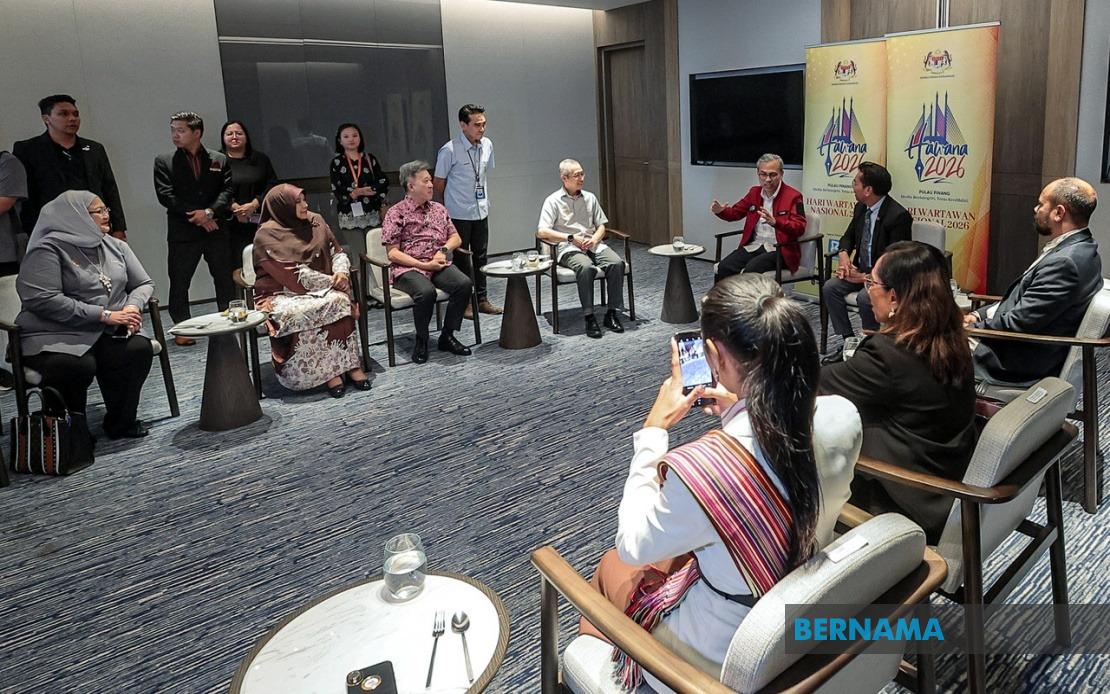
Malaysia is positioning itself to expand media collaboration with Timor-Leste through its national broadcasting and news agencies, signalling a broader regional engagement strategy in Southeast Asia's media landscape. Communications Minister Datuk Fahmi Fadzil unveiled the initiative during discussions with a high-level delegation from Timor-Leste in Butterworth, emphasising potential partnerships between Malaysia's Malaysian National News Agency (Bernama) and Radio Televisyen Malaysia (RTM) with their Timorese counterparts. The meeting underscores Malaysia's commitment to strengthening institutional relationships across Southeast Asia at a time when media credibility and freedom have become increasingly central to political stability and regional cooperation.
The Timor-Leste delegation, headed by Secretary of State for Social Communication Expedito Loro Dias Ximenes, included Noemio Mateus Soares Falcao, president of Timor-Leste's national news agency Agencia Noticiosa de Timor-Leste (TATOLI), and deputy president Madalena DE JCP Carlos. This composition reflects both countries' recognition that media institutions form the backbone of modern governance and public communication. By bringing together senior officials responsible for communications policy with executives from news agencies, both nations were establishing a framework for practical, implementation-focused cooperation rather than merely symbolic gestures.
A centrepiece of Malaysia's proposed collaboration involves the Tun Abdul Razak Broadcasting and Information Institute (IPPTAR), which Fahmi suggested should host professional development programmes for Timor-Leste journalists. This proposal carries particular significance for the region, as capacity-building in media institutions remains critical for smaller nations developing their broadcast and print sectors. Such training initiatives can facilitate knowledge transfer in newsroom management, editorial standards, digital transformation, and journalistic ethics—areas where Malaysia's media infrastructure has accumulated substantial experience over decades. For Timor-Leste, access to established training frameworks could accelerate institutional modernisation without requiring wholesale investment in building programmes from scratch.
During the discussions, both sides examined Timor-Leste's impressive performance in the World Press Freedom Index compiled by Reporters Without Borders (RSF), where it ranks first across Southeast Asia and 30th globally out of 180 countries. This achievement positions Timor-Leste ahead of Malaysia, which currently ranks second in the region. Fahmi's acknowledgement of this ranking demonstrates Malaysia's pragmatic approach to regional diplomacy—rather than defensive posturing, the minister framed Timor-Leste's success as a learning opportunity. The comparison also reflects broader regional dynamics, where press freedom rankings have become benchmarks for governance quality and democratic health, with significant implications for international standing and foreign investment.
Malaysia's own trajectory on press freedom metrics has become a focal point for the MADANI Government's narrative on governance reform. Fahmi noted that Malaysia's position has improved substantially over the past three to four years relative to previous administrations, suggesting that policy shifts under the current leadership have yielded measurable results in how independent observers assess media independence and safety. However, his acknowledgement that further room for improvement exists indicates realistic assessment rather than complacency. For Malaysian readers, this signals that the government views press freedom not as a threat to stability but as a component of institutional credibility and democratic legitimacy—a recalibration from earlier approaches that sometimes treated media freedom with suspicion.
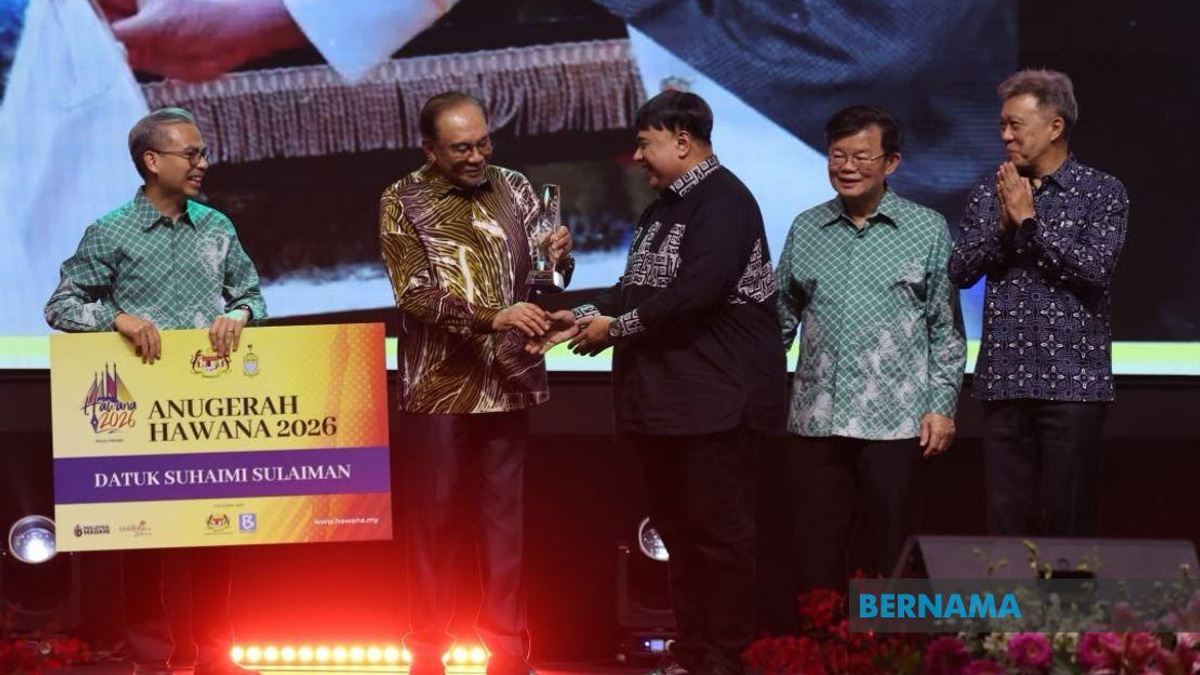
The bilateral discussions occurred on the margins of HAWANA 2026, the sixth edition of a major regional media conference being held at the PICCA Convention Centre @ Butterworth Arena. With approximately 1,000 local and international media practitioners in attendance, the event provides a substantial platform for policy discussions and professional networking. The conference theme—Media Integrity Strengthens Credibility—reflects shared regional concerns about misinformation, digital manipulation, and the challenges facing journalism in increasingly polarised societies. Malaysia's engagement with Timor-Leste within this context signals investment in regional stability through stronger media institutions.
Prime Minister Datuk Seri Anwar Ibrahim was scheduled to officiate HAWANA 2026, underlining government-level commitment to the media dialogue. Such high-profile involvement demonstrates that media cooperation has graduated beyond purely technical or professional matters to become integrated within broader foreign policy and regional engagement strategies. For Malaysian journalists and media professionals, the prime ministerial presence validates the importance of industry events and suggests receptiveness to constructive dialogue between government and media sectors.
The involvement of senior Communications Ministry officials—including secretary-general Datuk Abdul Halim Hamzah, deputy secretary-general Datuk Bahria Mohd Tamil, and Bernama's leadership comprising chairman Datuk Seri Wong Chun Wai and chief executive officer Datin Paduka Nur-ul Afida Kamaludin—reflects institutional depth in Malaysia's approach. Broadcasting director-general Ashwad Ismail and Bernama editor-in-chief Arul Rajoo Durar Raj's attendance indicates that operational leadership from both policy and execution levels were engaged in the discussions. This coordination suggests that any partnership agreements emerging from such discussions could translate into practical initiatives rather than remaining at declaratory level.
For Malaysia and Timor-Leste, closer media cooperation addresses mutual interests in an era of accelerating technological change and information warfare. Both nations contend with digital misinformation, declining trust in traditional institutions, and the challenge of maintaining journalistic standards amid economic pressures on newsrooms. By establishing institutional links, sharing training resources, and potentially coordinating on standards and best practices, both countries can more effectively address these transnational challenges. The cooperation also reflects recognition that Southeast Asian nations face common threats to media sustainability and independence, whether from commercial pressures, digital disruption, or external information manipulation.
The initiative signals Malaysia's evolving role in Southeast Asian media development. Rather than positioning itself as a prescriptive force imposing standards, Malaysia is presenting itself as a peer institution willing to share experience and resources. This approach differs from older colonial patterns or contemporary great-power media influence campaigns. For smaller ASEAN members like Timor-Leste, partnerships with regional peers like Malaysia offer alternatives to dependency on international organisations or external powers for media development support. Such South-South cooperation in institutional building addresses power imbalances inherent in traditional donor-recipient relationships.
Looking forward, the success of Malaysia-Timor-Leste media cooperation will likely depend on translating high-level commitments into sustained programme implementation. Journalist exchange programmes, joint training modules, sharing of content and editorial resources, and coordination on regional media issues could emerge from these initial discussions. For Malaysian media professionals, such regional engagement offers opportunities for international exposure and career development. For Malaysia's broader strategic objectives, deeper ties with Timor-Leste through media institutions contribute to soft power and regional influence in ways that transcend formal diplomacy.
The broader context for this cooperation encompasses Southeast Asia's struggle to maintain press freedom amid globalised information challenges. Timor-Leste's higher ranking in press freedom indices despite being a younger nation and developing economy provides Malaysia with both a benchmark and potentially an embarrassment—it demonstrates that development level alone does not determine editorial independence. Fahmi's willingness to acknowledge this suggests genuine commitment to addressing systemic issues constraining Malaysian media freedom rather than merely offering rhetorical support. Whether this translates into policy changes that substantively expand press independence remains to be observed, but the framing of media cooperation as central to national governance represents a notable shift in official discourse.