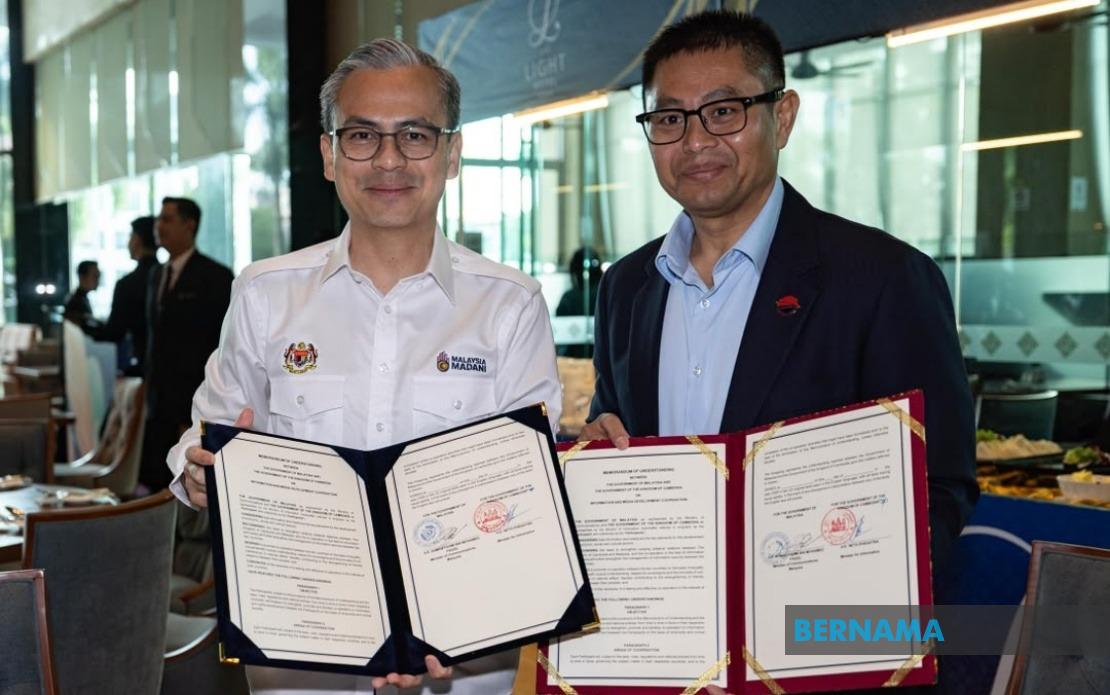
Malaysia and Cambodia have taken a significant step toward deepening their media partnership, with the signing of a comprehensive memorandum of understanding focused on information and media sector development. The agreement, inked in Butterworth on June 20, represents a formal commitment from both nations to harness the potential of their communication industries and foster greater understanding through journalistic exchange and broadcast collaboration. The MoU was signed ad referendum by Malaysian Communications Minister Datuk Fahmi Fadzil, while the Cambodian side was represented by Prak Thaveak Amida, Under Secretary of State at Cambodia's Ministry of Information, acting on behalf of Information Minister Neth Pheaktra.
The scope of the bilateral framework is notably expansive, encompassing multiple dimensions of modern media infrastructure and practice. Both countries have committed to facilitating the exchange of news and information content, coordinating radio and television broadcasting initiatives, and supporting collaborative efforts in printing and publishing ventures. Beyond these traditional media domains, the partnership explicitly addresses contemporary challenges and opportunities, including cybersecurity protocols for media operations, shared approaches to information policy development, and regulatory harmonisation practices that reflect each nation's governance frameworks. This multifaceted approach demonstrates recognition that media cooperation in the 21st century must span legacy platforms and emerging digital ecosystems.
A particularly noteworthy dimension of the agreement concerns human capital development and creative industries. Both Malaysia and Cambodia have identified the need to build capacity within their respective media sectors through knowledge transfer and skills enhancement. The MoU explicitly provides for cooperation in film and documentary production, an area where both Southeast Asian nations have considerable creative potential and growing international interest. Such collaboration could enable Malaysian and Cambodian producers to share technical expertise, access to archives, and distribution networks, potentially creating content that reflects the region's diversity and complexity to regional and global audiences.
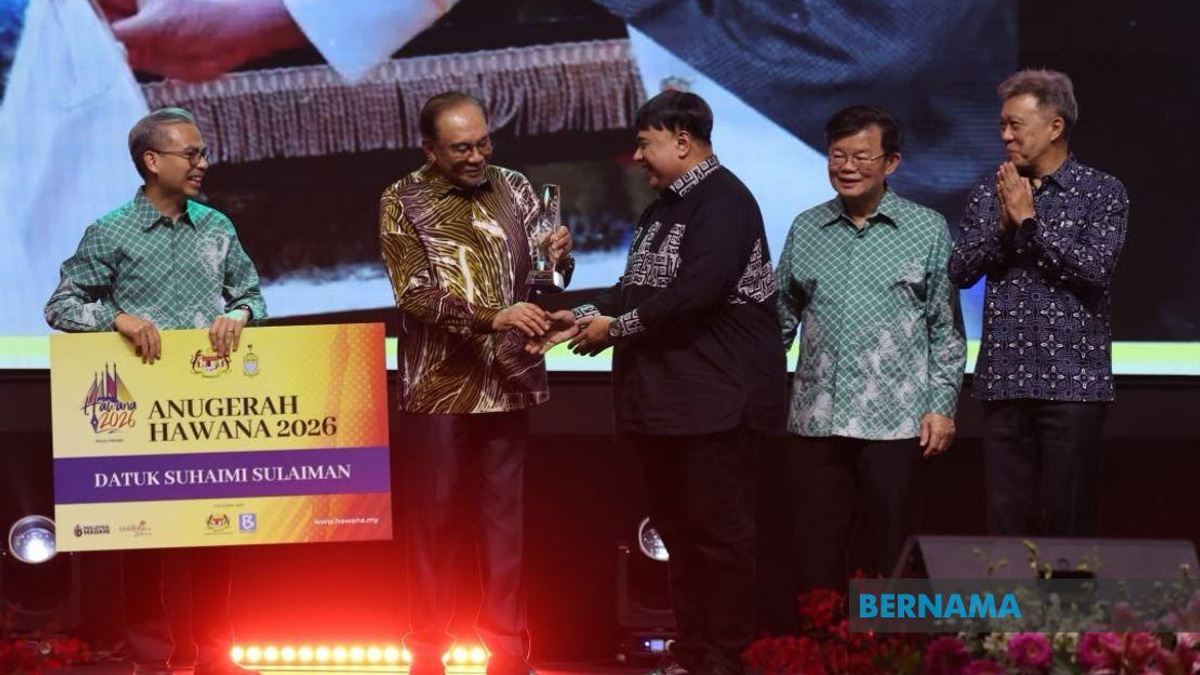
The timing of the MoU signing carries additional significance, occurring during the National Journalists' Day (HAWANA) 2026 grand finale at the PICCA convention centre. The sixth edition of this annual gathering, themed "Media Integrity Strengthens Credibility," brought together approximately 1,000 media practitioners from Malaysia and abroad to discuss professional standards and ethical journalism practice. Prime Minister Datuk Seri Anwar Ibrahim was scheduled to formally launch the event at 3 pm, underscoring the Malaysian government's prioritisation of media development and press freedom within its broader governance agenda. The co-location of the bilateral agreement signing with this major media conference highlighted the alignment between Malaysia's domestic media strengthening efforts and its regional diplomatic initiatives.
For Malaysia, this partnership addresses several strategic objectives within the broader framework of Southeast Asian integration and ASEAN cooperation. Cambodia, as a fellow ASEAN member and significant regional actor, represents an important avenue through which Malaysian media organisations can expand their regional footprint and influence. The agreement facilitates the kind of soft power projection that media partnerships enable, allowing Malaysian broadcasters, publishers, and news agencies to build relationships that extend beyond formal diplomatic channels. Conversely, Malaysian audiences gain access to Cambodian perspectives and stories, enriching the information landscape available to the Malaysian public and fostering mutual understanding between the two populations.
The emphasis on digital innovation and cybersecurity within the MoU reflects the realities of contemporary media operations. As newsrooms across Southeast Asia increasingly migrate to digital-first production models and media platforms become targets for misinformation and cyber threats, developing shared security protocols and best practice standards has become essential. Malaysia, which has invested significantly in digital infrastructure and cybersecurity capabilities, can offer valuable expertise to Cambodian counterparts, while Cambodia's experience navigating diverse information environments contributes unique insights valuable to Malaysian practitioners. This mutual capacity-building approach strengthens the resilience of media institutions across both nations.
The broader context of Malaysia-Cambodia relations provides important backdrop for understanding this media cooperation. The two countries share a long history of cultural and economic interchange, and their media sectors reflect distinct yet overlapping regional influences. By formalising cooperation through an MoU, both governments create institutional mechanisms that transcend the tenure of individual ministers or political administrations. Such formal agreements tend to generate sustained engagement through working groups, exchange programmes, and collaborative projects that persist across political cycles, ensuring that bilateral media ties develop momentum and depth over time.
Participation in the HAWANA event by senior government officials, including Penang Chief Minister Chow Kon Yeow, Communications Ministry Secretary-General Datuk Abdul Halim Hamzah, and leadership from Bernama, Malaysia's national news agency, demonstrated the comprehensive institutional support for media development initiatives. This high-level attendance signalled that media cooperation ranks among Malaysia's strategic priorities alongside trade, defence, and diplomatic engagement. The presence of Bernama's Chairman Datuk Seri Wong Chun Wai and Chief Executive Officer Datin Paduka Nur-ul Afida Kamaludin particularly underscored the role of Malaysia's state news agency in advancing bilateral relationships and serving as an institutional bridge between Malaysian and foreign media sectors.
The agreement also reflects both countries' recognition of media's role in addressing misinformation and promoting credible information dissemination—a concern that resonates throughout Southeast Asia. As digital platforms enable rapid spread of unverified content and deliberate disinformation campaigns, cooperation on information policy and media integrity standards becomes increasingly valuable. Malaysia and Cambodia can work together to develop regional approaches to these challenges that respect diverse governance contexts while upholding professional journalism standards. Such cooperation positions both nations as responsible actors within a global conversation about media's future and societal role.