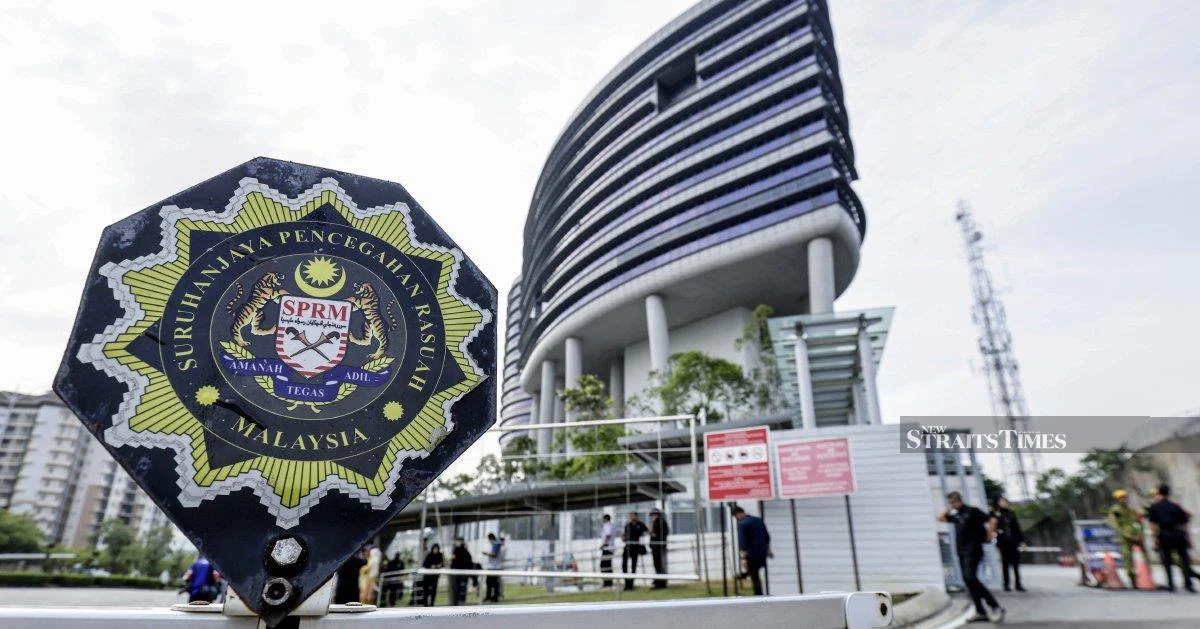
The Malaysian Anti-Corruption Commission has widened its investigation into the Daya Kerjaya 2.0 employment incentive programme to scrutinise systemic governance and procedural shortcomings, beyond the already substantial fraud allegations involving approximately RM9 million in irregular claims. This dual-track approach indicates authorities view the scheme as suffering from structural vulnerabilities that may have enabled wrongdoing to occur in the first place, rather than treating the suspected fraud as an isolated incident of misconduct by individuals.
The Daya Kerjaya 2.0 initiative represents a significant government effort to stimulate job creation and workforce development, with particular focus on supporting Malaysian workers during economic transitions. The programme channels financial incentives to employers who meet specified hiring and training criteria, making it an important tool for human capital development policy. However, the scale of alleged irregularities suggests the oversight mechanisms governing these disbursements require fundamental reassessment.
Governance weaknesses in employment subsidy schemes frequently stem from insufficient verification protocols when employers submit claims for reimbursement. The MACC's decision to examine procedural architecture indicates investigators suspect gaps may exist in how applications are validated, supporting documentation is authenticated, or claimed benefits are reconciled against actual employment outcomes. In schemes involving distributed payments across numerous employers, weak gatekeeping at entry points can multiply the exposure to fraudulent claims exponentially.
The RM9 million in disputed claims represents only what has been identified thus far, raising concerns about the true extent of irregularities that may remain undetected. Without robust audit trails and cross-verification mechanisms, determining the full scope of impropriety becomes significantly more challenging. This uncertainty underscores why systematic governance reform becomes as critical as prosecuting those responsible for the identified fraud.
Employment incentive programmes across Southeast Asia face similar vulnerabilities, making Malaysia's experience instructive for the region. Thailand, Indonesia, and the Philippines operate comparable schemes to boost employment and skills development, yet each grapples with ensuring taxpayer resources reach legitimate beneficiaries. The governance review may therefore establish lessons applicable beyond this single Malaysian programme, potentially informing best practices across neighbouring countries contending with comparable structural challenges.
For employers in Malaysia currently participating in Daya Kerjaya 2.0, the investigation and governance review may introduce friction in the claims process as authorities implement interim controls. Legitimate businesses seeking to access employment incentives could face extended processing times and more stringent documentation requirements, a compliance burden that represents an unintended consequence of weaknesses others have exploited. Stakeholder communication from administering agencies becomes essential to maintain programme credibility.
The investigation also reflects broader questions about how government accurately monitors employment creation schemes. Claimed job positions require verification against actual workers on payroll, a verification challenge that intensifies when claims arrive from hundreds of employers across multiple states. Real-time employment data integration, cross-referencing with tax records and social security contributions, represents an increasingly feasible technological solution if properly implemented.
Ministry-level officials overseeing Daya Kerjaya 2.0 now face pressure to demonstrate remedial action beyond the MACC investigation. Cabinet ministers responsible for employment policy and budget allocation will likely face parliamentary scrutiny regarding what safeguards existed and what improvements are planned. Opposition MPs will use the fraud discovery to argue for stricter government procurement and disbursement standards across all assistance programmes.
The timing of this investigation intersects with broader concerns about programme integrity across Malaysia's social support ecosystem. Citizens and business groups increasingly demand transparency about how public funds are allocated and controlled, particularly when employment programmes represent government investments in economic development. A governance review that produces concrete improvements could partially restore confidence, though substantive consequences for those responsible for fraud will prove equally important for accountability.
Anticipated outcomes from the MACC examination will likely include revised verification protocols, stronger documentation requirements, and possibly mandatory third-party audits before disbursement approval. These refinements should reduce future vulnerability to fraudulent claims, though no system achieves absolute impermeability. The challenge involves balancing rigorous oversight with maintaining programme accessibility for genuine employers seeking to participate.
The investigation's completion timeline remains unclear, yet the governance review suggests authorities view this as a systemic problem requiring institutional solutions rather than mere individual prosecutions. Whether the MACC's work produces prosecutions, administrative sanctions, or both depends on what the investigation uncovers regarding intent and responsibility among those involved in the improper claims. What appears certain is that Daya Kerjaya 2.0's operational framework requires substantial recalibration before full public confidence in the scheme's integrity can be restored.


