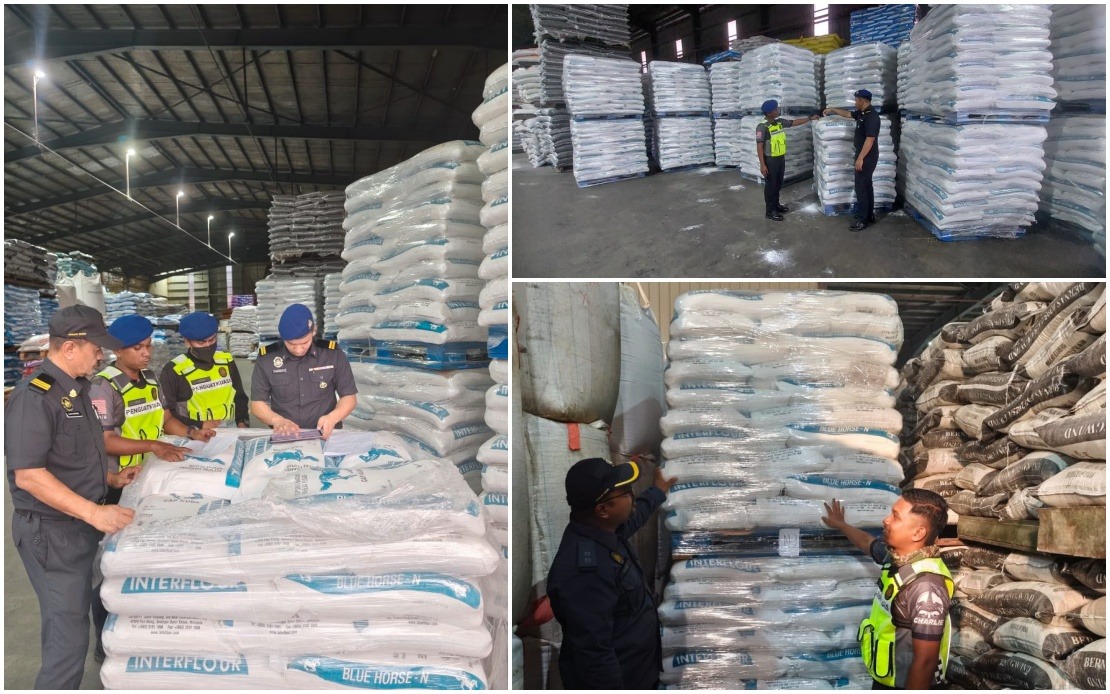
Authorities in Kedah have intensified enforcement actions against potential breaches of commodity regulations, conducting a significant raid on an animal feed manufacturing operation in the Kuala Ketil Industrial Area. The Ministry of Domestic Trade and Cost of Living's Kedah division, acting on compliance concerns, discovered substantial quantities of wheat flour being held at the facility without appropriate governmental authorisation, prompting the seizure of materials valued at just over RM100,000.
The enforcement operation, executed by four personnel from the Baling branch of the KPDN at approximately 4.30 pm on June 15, uncovered evidence suggesting the flour stockpile formed part of the factory's raw material inventory for animal feed manufacturing processes. According to Muhammad Nizam Jamaludin, the Kedah KPDN director, the inspection revealed that the stored commodity lacked the necessary documentation and approvals required under Malaysian supply regulations, constituting a material breach of established protocols.
The scale of the seizure underscores the scope of the violation. A total of 53,325 kilogrammes of wheat flour, representing approximately 53 metric tonnes, was removed from the premises. The authorities valued the confiscated material at an estimated RM100,251, indicating substantial commercial significance and raising questions about the factory's operational practices and supply chain management. Such quantities typically represent weeks or months of processing capacity for industrial-scale animal feed production.
The facility's manager, a 25-year-old Malaysian national, could not provide documentation demonstrating authorised possession of the flour stocks. Under Malaysian regulatory frameworks governing essential commodities, businesses storing specified goods—particularly those potentially linked to subsidised materials or price-controlled items—must obtain explicit permits or approvals from the Supply Controller. The absence of such documentation at the time of inspection constituted a straightforward regulatory violation, though questions remain about whether the flour itself derived from subsidised government allocations or represented commercial supplies diverted from authorised distribution channels.
The investigation now proceeds under Section 21 of the Control of Supplies Act 1961, legislation designed to prevent the misuse, hoarding, or unauthorised diversion of essential goods. This particular provision carries significant weight within Malaysia's regulatory apparatus, reflecting the government's commitment to maintaining supply chain integrity and preventing market distortions. The choice of this specific legal framework suggests authorities view the violation as potentially more serious than a simple administrative oversight, possibly indicating suspicion that the flour was being diverted from subsidised channels or improperly stockpiled to circumvent price controls.
For Malaysian manufacturers and traders operating in supply-sensitive sectors, the raid signals renewed vigilance from enforcement agencies. The animal feed industry, while seemingly peripheral to direct consumer concerns, occupies a crucial position within food production systems. Wheat flour diverted from human consumption to animal feed processing—or alternatively, subsidised flour routed through irregular channels—can distort both agricultural commodity markets and the cost structures of food production. The KPDN's intervention reflects awareness of these systemic implications.
The enforcement action also carries implications for regional supply chain participants. Southeast Asian countries maintain increasingly integrated agricultural and processed food networks, with raw materials flowing across borders through both formal and informal channels. A facility in northern Malaysia discovered with improperly documented flour stocks raises broader questions about tracking mechanisms and regulatory coordination. Stakeholders in regional animal feed, agricultural processing, and food manufacturing sectors should recognise that Malaysian authorities are actively monitoring commodity flows and enforcement intensity remains high.
Muhammad Nizam's statement emphasising that "firm action will be taken against any party found misusing or diverting subsidised goods" signals official determination to maintain supply system discipline. This language suggests the KPDN views the Kuala Ketil case as part of a broader enforcement strategy rather than an isolated incident. Subsidised commodities—flour prominent among them—represent significant government expenditures, and unauthorised diversion represents both financial loss and market distortion that ultimately affects consumer prices and fair competition.
The investigation's outcome remains to be determined, but the seizure itself demonstrates that industrial-scale operations cannot assume regulatory oversight is lax or enforcement unlikely. Facility managers must maintain comprehensive documentation covering all stored materials, particularly commodities subject to government supply controls. The failure to produce permits at the moment of inspection created legal jeopardy regardless of the ultimate disposition of the flour or the manager's intentions.
For businesses operating in Malaysia's animal feed, grain processing, and related manufacturing sectors, the incident serves as a cautionary reminder regarding compliance obligations. Documentation, permits, and Supply Controller approvals are not bureaucratic formalities but legal requirements with real enforcement consequences. The RM100,000-plus valuation of seized materials demonstrates the commercial stakes involved, while the regulatory framework's reach across industrial supply chains—even those nominally serving non-human consumption purposes—reflects the comprehensive nature of Malaysia's commodity management approach.
The broader context involves Malaysia's food security objectives and government commitment to preventing commodity speculation or unauthorised stockpiling. Wheat flour, whether destined for human consumption or animal feed production, forms part of the strategic commodity framework. The KPDN's enforcement action in Kedah represents one component of nationwide monitoring designed to ensure transparent, regulated, and accountable movement of essential materials through the economy.