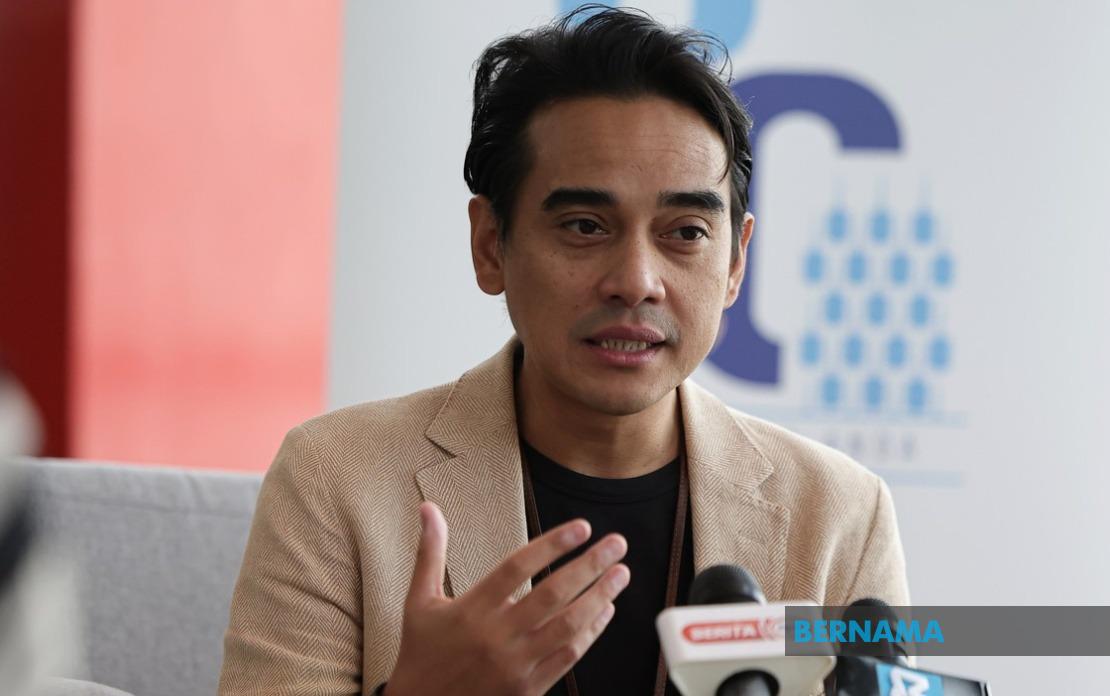
The director-general of Malaysia's broadcasting sector has issued a stark warning to news organisations and media professionals: adapt to artificial intelligence or risk professional obsolescence. Ashwad Ismail's remarks, delivered during an appearance on Bernama TV's The Nation programme, signal a critical juncture for the country's journalism industry as newsrooms worldwide grapple with technological disruption and evolving audience expectations.
Ashwad's message reframes the anxiety surrounding AI's integration into journalism by emphasising human agency rather than technological inevitability. Rather than depicting artificial intelligence as an existential threat capable of eliminating journalistic roles, he characterised the technology as a force that will reshape the competitive landscape among journalists themselves. His observation that "a journalist will be taken over by another journalist who knows how to leverage, how to use and how to maximise AI" encapsulates a crucial distinction: the threat comes not from machines replacing humans wholesale, but from inequality in technological adoption. Those who master AI tools will outperform competitors who ignore them, creating a bifurcated profession where digital literacy becomes a prerequisite for career sustainability.
This perspective aligns with broader transformations occurring across Southeast Asian media markets, where adoption rates of automation and AI vary significantly between established publications and emerging digital players. In Malaysia, where journalism remains a labour-intensive sector struggling with declining print revenues and digital monetisation challenges, the pressure to leverage efficiency gains from AI has become acute. Newsrooms operating with constrained budgets and smaller teams face particular incentive to deploy artificial intelligence for research, content generation assistance, and audience analytics—tasks currently consuming considerable human resources.
Yet Ashwad's argument extends beyond economic necessity to encompass quality enhancement. He positioned AI not as a replacement for journalistic judgment but as an amplifier of human capability. By automating routine tasks such as data compilation, initial fact-checking, and preliminary research, artificial intelligence theoretically frees journalists to concentrate on investigative work, narrative development, and original reporting that require distinctly human skills: ethical reasoning, source cultivation, and contextual understanding. This vision presumes, however, that newsroom management actually redirects the time saved through automation toward substantive journalism rather than simply reducing headcount.
The implementation of AI in newsrooms demands careful institutional governance, Ashwad cautioned. Clear guidelines for responsible deployment represent essential guardrails as technology evolves faster than organisational policy typically adapts. Without such frameworks, newsrooms risk reproducing algorithmic bias in story selection, inadvertently amplifying misinformation through uncritical automation, or compromising editorial integrity through opaque machine-driven decisions. Malaysian news organisations, many of which operate under regulatory oversight through the Malaysian Communications and Multimedia Authority, may face particular pressure to develop transparent AI governance standards that satisfy both editorial standards and regulatory expectations.
Paralleling his technological argument, Ashwad emphasised that rebuilding public trust in journalism requires reconnecting with fundamental reporting practices. The Malaysian media landscape has experienced considerable erosion of public confidence in recent years, exacerbated by misinformation, political polarisation, and declining engagement with traditional news sources among younger audiences. His prescription—strengthening hyperlocal reporting and cultivating meaningful community relationships—suggests that technological sophistication alone cannot restore credibility. The "human touch" he referenced represents not merely warm sentiment but rather the legitimacy derived from demonstrated investment in local concerns and direct accountability to readers.
This dual focus on technological adoption and journalistic fundamentals reflects recognition that AI operates most effectively within robust editorial ecosystems. A newsroom that uses artificial intelligence to accelerate shallow reporting will produce automation-enabled mediocrity. Conversely, a publication combining strong investigative traditions with strategic AI deployment can enhance both productivity and editorial quality. For Malaysian publications competing against regional digital giants and international news services, this combination becomes increasingly essential for market differentiation.
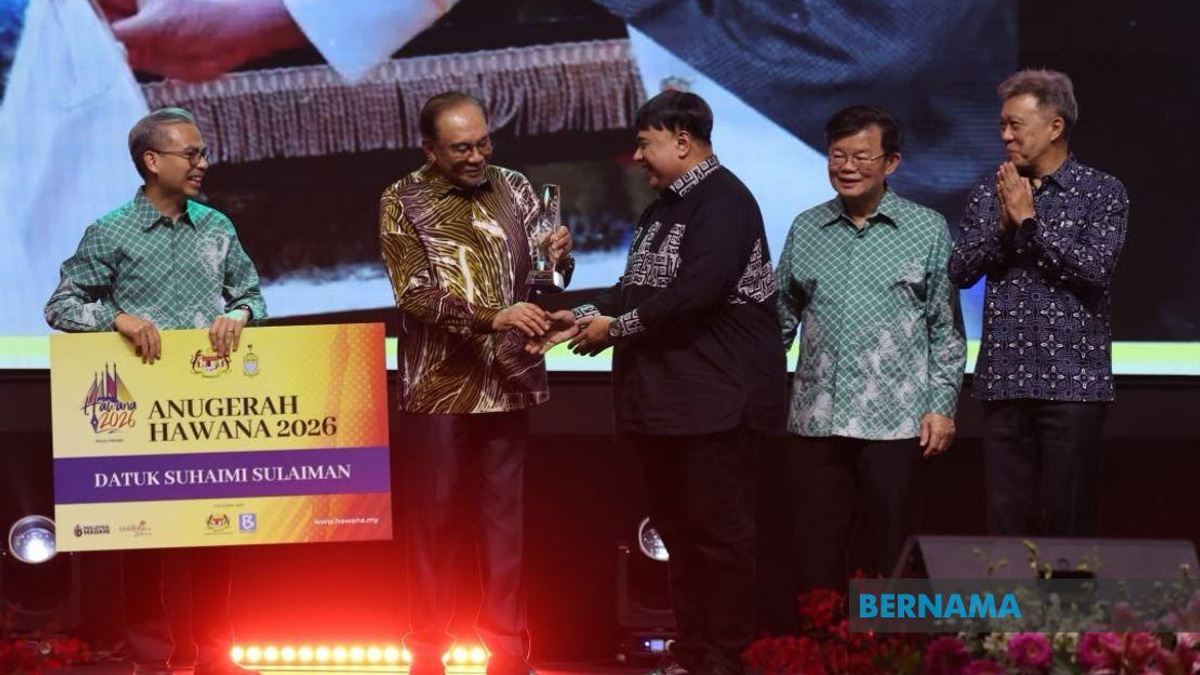
The timing of Ashwad's intervention coincides with the HAWANA 2026 gathering, which will convene more than 1,200 media professionals and ASEAN delegates at the PICCA Convention Centre in Penang, with official opening by Prime Minister Datuk Seri Anwar Ibrahim scheduled for June 20. The convergence of these events underscores elevated attention to journalism's future trajectory across Southeast Asia. Regional media leaders attending the forum will encounter sustained pressure to articulate technological strategies addressing both competitive dynamics and editorial integrity.
For Malaysian journalists navigating institutional pressure to adopt AI tools, Ashwad's framing offers both opportunity and challenge. The opportunity lies in positioning technology adoption not as layoff mechanism but as professional development necessity—media practitioners who acquire AI literacy enhance their marketability and contribution to newsrooms. The challenge emerges in ensuring that institutional investment in AI training reaches journalists across the profession rather than concentrating in large metropolitan publications. Regional and smaller news outlets, which often serve crucial hyperlocal functions, risk falling further behind technologically if training and tools remain accessible only to major players.
The broader implication of Ashwad's argument extends to journalism education in Malaysia. Universities and training institutes preparing future journalists must integrate AI literacy and critical engagement with automated systems into curricula. Students entering the profession without understanding how algorithms shape news distribution, content recommendation, and audience analytics will arrive inadequately prepared for contemporary newsrooms. This educational transformation requires coordination between industry practitioners and academic institutions—a gap that has historically hindered Malaysian journalism education's responsiveness to technological change.
Ultimately, Ashwad's warning arrives not as technological determinism but as professional imperative. AI deployment in journalism will proceed regardless of individual practitioners' preferences; the variable is whether the industry proactively shapes this transition toward beneficial outcomes or passively accepts whatever emerges from market pressures. Malaysian media organisations that establish deliberate strategies for responsible AI integration while reinforcing commitment to community-grounded reporting may navigate this transition successfully. Those that treat artificial intelligence merely as a cost-reduction mechanism invite precisely the professional degradation that erodes public trust.