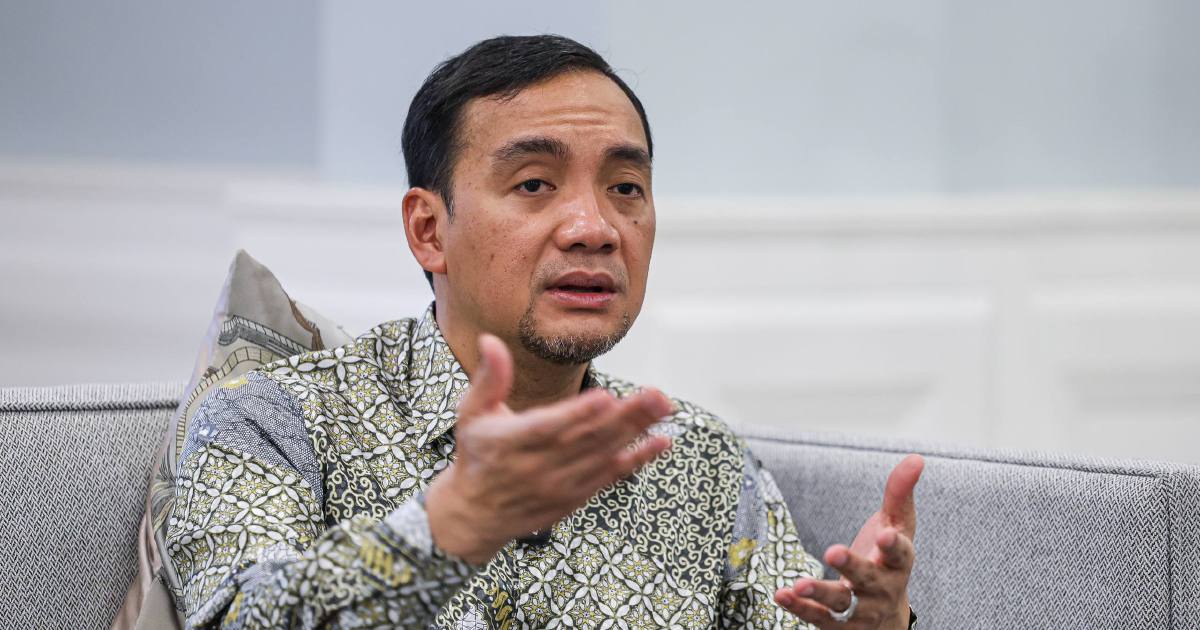
The royal leadership in Johor has sent a clear message to all political contenders ahead of the state election, emphasizing that the campaign period must be conducted with decorum and respect. Johor Barisan Nasional chairman Datuk Onn Hafiz Ghazi relayed advice from His Majesty Sultan Ibrahim, the King of Malaysia, and Tunku Mahkota Ismail, the Regent of Johor, cautioning against the kind of divisive rhetoric and personal invective that has occasionally marred electoral contests in the country.
The royal intervention reflects growing concern among Malaysia's institutional leadership about maintaining the standards of democratic discourse during competitive political campaigns. Rather than allowing contestation to descend into acrimony or ad hominem attacks, the Johor palace has signaled that politicians should focus on substantive policy differences and their respective visions for the state's future. This intervention carries particular weight in Johor, where the sultanate holds considerable cultural and political significance, and where the royal family's views on governance and public conduct carry substantial moral authority among the electorate.
Onn Hafiz's role as messenger in this instance underscores the traditional relationship between Malaysia's monarchical institutions and the country's political establishment. As the head of the ruling coalition in Johor, he serves as a key intermediary between the palace and the broader political landscape, making his announcement of the royal directive both an official communication and an implicit statement of BN's commitment to ethical campaigning practices.
The timing of this admonition is significant given the intensity that electoral campaigns typically generate in Malaysian politics. State elections often see heightened partisan activity, with candidates and party workers mobilizing across constituencies to secure voter support. Without clear boundaries on acceptable conduct, such campaigns can sometimes cross into territory that damages social cohesion or undermines public faith in democratic institutions. The royal guidance thus serves as a pre-emptive measure to preserve the integrity of the electoral process.
Johor's status as one of Malaysia's most economically significant and politically consequential states adds weight to this royal pronouncement. The state has historically been a stronghold of established political forces, and maintaining civil discourse during elections helps ensure that regardless of electoral outcomes, the legitimacy of results and the stability of governance are not questioned or undermined by allegations of unfair or disrespectful campaigning tactics.
The emphasis on civility also resonates with broader concerns about the quality of political debate in Malaysia and across Southeast Asia. Democratic societies function most effectively when competing parties and candidates can articulate their positions vigorously while still respecting the dignity and integrity of their opponents. In an era when social media amplifies divisive messaging and emotionally charged rhetoric, institutional reminders about the importance of dignified conduct become increasingly valuable.
For ordinary Johor voters, the royal message carries an implicit assurance that the election will be conducted fairly and respectfully, without the kind of personal attacks or inflammatory language that can poison the political atmosphere and create lasting divisions within communities. This institutional reinforcement of campaigning standards helps protect the social fabric even as Johoreans exercise their democratic right to choose their representatives.
The palace's intervention also implicitly holds all political parties to the same standard. Whether from BN, the opposition, or independent candidates, the royal guidance applies equally, establishing a benchmark for acceptable political behavior that transcends partisan boundaries. This universality of expectation is crucial for maintaining the perception that the electoral process itself is neutral and fair, rather than designed to advantage any particular political faction.
For Datuk Onn Hafiz and BN, publicizing these royal directives also functions as a strategic positioning of the ruling coalition as the guardian of institutional values and political decorum. By emphasizing that BN is committed to dignified campaigning, the party can contrast itself with competitors and appeal to voters who prioritize stability and respectful political engagement over sensationalism or divisive tactics.
The broader context of Malaysian politics suggests that such reminders from the palace serve an important function in a system where democratic institutions are still developing and where strong personalities and partisan passions can sometimes overwhelm procedural norms. Regular reaffirmations from respected institutional actors like the Sultan help anchor the political culture toward civility and respect for democratic processes.
As campaigning unfolds in Johor, both supporters and observers of various political parties will likely point to this royal guidance when evaluating whether candidates and party officials are adhering to acceptable standards of conduct. The palace's clear statement thus becomes a yardstick against which the campaign can be measured, and a reminder that even in the heat of political competition, certain boundaries around decency and mutual respect remain non-negotiable for preserving Malaysia's democratic institutions and social harmony.


