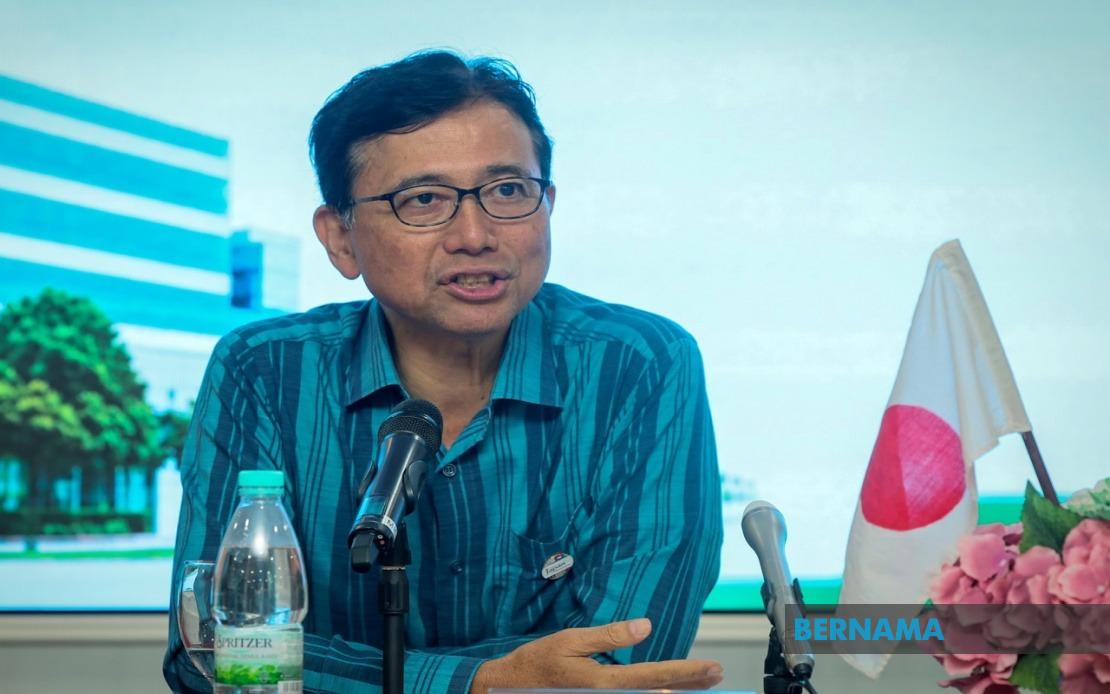
Japan's revamped approach to regional cooperation in the Indo-Pacific is creating fresh opportunities for Malaysia's transformation into a world-class technology and digital innovation centre. Japanese Ambassador to Malaysia Noriyuki Shikata has outlined how Prime Minister Sanae Takaichi's updated Free and Open Indo-Pacific (FOIP) framework, unveiled in May, positions both nations to capitalise on emerging economic partnerships and technological advancement across Southeast Asia.
The original FOIP concept emerged in 2016 under former Prime Minister Shinzo Abe as Japan's response to shifting geopolitical dynamics in the region. That foundational vision sought to anchor peace, stability and shared prosperity across the Indo-Pacific through Japanese strategic leadership and multilateral engagement. However, the refreshed iteration represents a meaningful departure from its predecessor, reflecting changing global economic realities and the urgent need for nations to secure supply chains and technological sovereignty in an increasingly competitive world.
According to Shikata, Takaichi's iteration moves beyond broad principles into concrete economic and security arrangements. The framework now emphasises practical capacity-building initiatives and collaborative ventures in frontier technologies including artificial intelligence, secure data management systems, submarine telecommunications cables and satellite infrastructure. This granular focus on specific sectors and technologies makes the framework directly applicable to Malaysia's stated objectives of becoming Southeast Asia's premier destination for high-tech investment and innovation.
The alignment between Japan's FOIP and Malaysia's own Indo-Pacific strategy is particularly significant. The ASEAN Outlook on the Indo-Pacific, which Malaysia helped shape, shares common ground with Japan's emphasis on economic security and industrial self-sufficiency. Both frameworks reject narrow geopolitical competition in favour of collaborative prosperity, creating a diplomatic foundation upon which genuine business partnerships can flourish. This convergence means Malaysian policymakers and business leaders can tap into Japanese technological expertise and investment capital without compromising ASEAN's traditional non-aligned positioning.
Financial backing underpins the framework's viability. Japan has mobilised US$10 billion through the POWERR Asia initiative to support ASEAN nations in achieving energy independence and securing critical materials. This financial commitment extends beyond symbolic gestures; it enables tangible projects addressing fuel procurement, strategic energy reserves and supply chain resilience. For Malaysia, participation in this mechanism provides access to resources that support industrial development without creating onerous debt burdens or political dependency.
Japanese corporations operating within Malaysia stand to benefit substantially from this regional positioning. Shikata emphasised that the framework creates operational predictability and security that encourages Japanese firms to deepen their Malaysian footprint. Rather than remaining confined to traditional low-margin manufacturing, Japanese enterprises can now pursue collaborations in advanced semiconductor packaging, artificial intelligence infrastructure and cloud computing services. This transition aligns perfectly with Malaysia's desire to move up the value chain and capture higher-returning economic activities.
Malaysia's established semiconductor manufacturing prowess positions the nation as a natural partner for Japan's technology ambitions. The country already hosts significant regional expertise and fabrication capacity, making it an attractive location for expanding into next-generation packaging technologies and AI-driven solutions. Japanese firms including those represented in recent delegations to Malaysia have identified concrete investment opportunities in these sectors, suggesting imminent capital deployment and knowledge transfer.
The Comprehensive Strategic Partnership established between Japan and Malaysia in December 2023 provides institutional scaffolding for implementing these technology collaborations. This bilateral framework explicitly transcends the historical Look East Policy, which focused primarily on manufacturing and management practices. The CSP recognises that both nations' prosperity now depends on jointly developing advanced technologies and protecting critical infrastructure against supply chain vulnerabilities and security threats.
Recent high-level visits between the two countries have catalysed specific business momentum. Prime Minister Anwar Ibrahim's engagements with executives from Mitsubishi Corporation, ENEOS, DENSO, IBM and Marubeni during his Japan trip crystallised corporate interest in Malaysian opportunities. These interactions moved beyond courtesy calls; they identified concrete sectors and projects where bilateral cooperation can generate mutual benefits. Such direct dialogue between political leadership and business titans accelerates decision-making and reduces uncertainty about investment prospects.
Looking forward, Shikata has signalled expectations for intensified collaboration on artificial intelligence and quantum computing research and development. Malaysian tech entrepreneurs and research institutions can access Japanese technical expertise, venture capital and corporate partnerships to accelerate innovation in these frontier fields. Simultaneously, joint initiatives focusing on infrastructure security and supply chain resilience will help both nations navigate geopolitical uncertainties more effectively. These arrangements reflect pragmatic recognition that no single nation can ensure technological independence alone.
For Malaysia's broader industrial strategy, Japan's repositioned Indo-Pacific engagement offers several advantages. The framework provides alternative sources of technology transfer and investment capital, reducing excessive reliance on any single major power. Japanese partnerships typically emphasise long-term value creation over short-term extraction, aligning with Malaysia's desire for sustainable development. Furthermore, Japan's commitments to environmental and social governance standards mean that Japanese investments support Malaysia's own ESG objectives.
The implications extend throughout Southeast Asia. Other ASEAN members observing the Japan-Malaysia deepening partnership may seek similar technology-sharing arrangements, creating a regional competitive dynamic that accelerates digital transformation across the bloc. This competition for Japanese investment and expertise could ultimately benefit ASEAN economies collectively by raising technological standards and infrastructure quality throughout the region.
As Malaysia continues pursuing its vision of technological advancement and economic resilience, Japan's updated regional strategy provides both frameworks and funding mechanisms to support that journey. The convergence of bilateral partnership, multilateral initiatives and private sector enthusiasm suggests the next phase of Japan-Malaysia relations will be defined by genuine innovation partnerships rather than traditional manufacturing relationships alone.