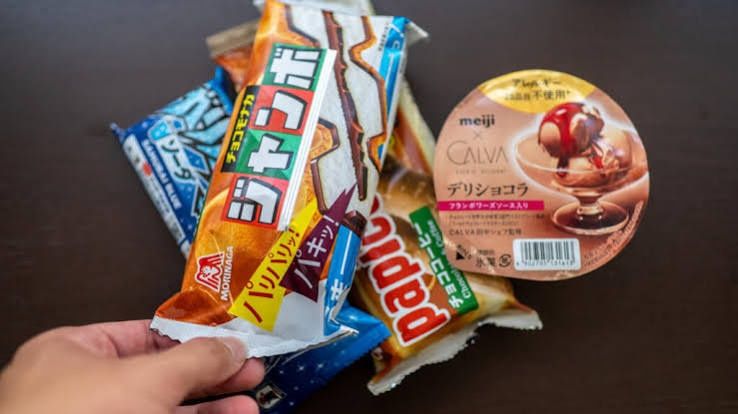
Japan's competition authorities have launched a high-profile antitrust investigation into the country's ice cream industry, raiding the head offices of six major manufacturers on suspicion of orchestrating coordinated price increases. The Japan Fair Trade Commission (JFTC) conducted simultaneous searches at Meiji Co., Morinaga Milk Industry Co., Lotte Co., Ezaki Glico Co., Morinaga & Co., and Akagi Nyugyo Co. on Tuesday, targeting what sources describe as the nation's largest firms in the frozen dessert sector. Officials suspect that company representatives have engaged in systematic communications—including email exchanges and in-person meetings spanning several years—to synchronise the timing and magnitude of retail price hikes, a hallmark of cartel behaviour that violates Japan's antimonopoly laws.
The investigation represents a significant enforcement action against a consumer staple industry that has enjoyed substantial growth in recent years. Ice cream sales in Japan reached a record 660 billion yen in the fiscal year ending March, buoyed by exceptional weather conditions as the country experienced its hottest summer since temperature records began in 1989. The surge in consumer demand created an opportune environment for manufacturers, but authorities now question whether firms exploited this momentum to push through unjustified price increases. The JFTC's inquiry extends beyond simple collusion allegations, encompassing whether companies weaponised legitimate cost pressures—such as rising raw material expenses—as a smokescreen for raising prices beyond what genuine ingredient inflation would justify.
Patterns identified by the JFTC suggest deliberate coordination rather than coincidental market alignment. Since approximately 2022, the six companies under investigation have implemented annual price increases with striking synchronicity, consistently announcing hikes at nearly identical times throughout successive years. Such temporal alignment across competing firms strains credibility as a result of independent business decisions responding to identical market signals. Instead, the clustering of price announcements points toward conscious parallel action orchestrated through direct communication channels. Company officials are believed to have systematically discussed strategy, agreed on price points, and coordinated rollout schedules—classic cartel mechanics designed to circumvent competitive pressure that would normally force suppliers to differentiate pricing or absorb costs independently.
The enforcement action carries substantial implications for Japan's consumer economy and corporate compliance culture. All six companies named in the raids immediately issued formal statements acknowledging the JFTC inspections and pledging full cooperation with investigators, a standard but significant acknowledgment of the probe's seriousness. Akagi Nyugyo's executive Natsuyo Suzuki specifically confirmed that the firm would facilitate the investigation following the on-site inspection, signalling willingness to engage with authorities. This cooperative posture reflects the reputational damage and commercial risks that Japanese firms face when implicated in cartel allegations, particularly in sectors serving mass-market consumers who closely monitor prices.
The potential consequences for the companies extend well beyond the immediate investigation. If the JFTC determines that a cartel existed, it possesses authority to impose mandatory remedies requiring businesses to overhaul their practices and prevent recurrence. More significantly, the watchdog can levy substantial financial penalties proportional to the scope and duration of the violation. For ice cream manufacturers profiting from record sales volumes, fines calculated on the basis of illegal gains could reach considerable sums. The precedent established by vigorous enforcement in this case may also embolden consumers and retailers to pursue private damages claims, further compounding financial exposure.
This investigation occurs within a broader context of intensified antitrust scrutiny in Japan and across Asia. Regulators globally have grown increasingly alert to price-fixing arrangements, particularly when they target ordinary consumers purchasing everyday products. The ice cream industry's vulnerability to cartel formation partly reflects its structure—a handful of dominant firms controlling significant market share, regular product distribution through established retail channels, and relatively stable customer demand insulated from rapid disruption. Such conditions historically facilitate coordination, making antitrust agencies prioritise enforcement in concentrated consumer goods sectors.
For Malaysian and Southeast Asian observers, the case illustrates the importance of robust competition enforcement even in seemingly stable industries. Japanese regulatory action demonstrates that even developed, seemingly well-functioning markets require vigilant monitoring. The investigation also underscores how companies across Asia may face intensified scrutiny from competition authorities, particularly regarding pricing practices during inflationary periods when firms might attempt to blame cost pressures while actually exploiting them.
The timing of the JFTC action reflects careful strategic planning by authorities seeking to maximise impact. Conducting raids simultaneously across six firms prevents information leakage that might allow companies to destroy evidence or coordinate responses. The raids' execution during the season preceding peak summer ice cream demand creates immediate market attention and sends a forceful message about regulatory expectations. Japanese consumers and retailers now understand that authorities take pricing discipline seriously, potentially moderating future price-setting behaviour across the industry.
Looking forward, the investigation will likely generate substantial evidentiary materials through email archives, financial records, and witness interviews. Prosecutors will need to establish not merely that prices rose simultaneously, but that this timing resulted from deliberate communication rather than independent response to identical competitive pressures. The sophistication of modern cartel operations—increasingly conducted through encrypted channels and coded language—presents investigative challenges, but the JFTC's resources and the cooperation signalled by companies under investigation should facilitate effective fact-finding. Industry observers anticipate that conclusions may emerge within months rather than years, given the apparent straightforwardness of the suspected coordination mechanism.
The broader message from Japan's authorities extends beyond ice cream manufacturers. Competition watchdogs across developed and developing economies increasingly view parallel pricing in concentrated industries as presumptive evidence of coordination requiring investigation. Companies planning pricing strategies must now consider that contemporaneous announcements and similar price points may trigger regulatory concern, creating incentives for genuine competitive differentiation and independent decision-making throughout supply chains and retail networks.


