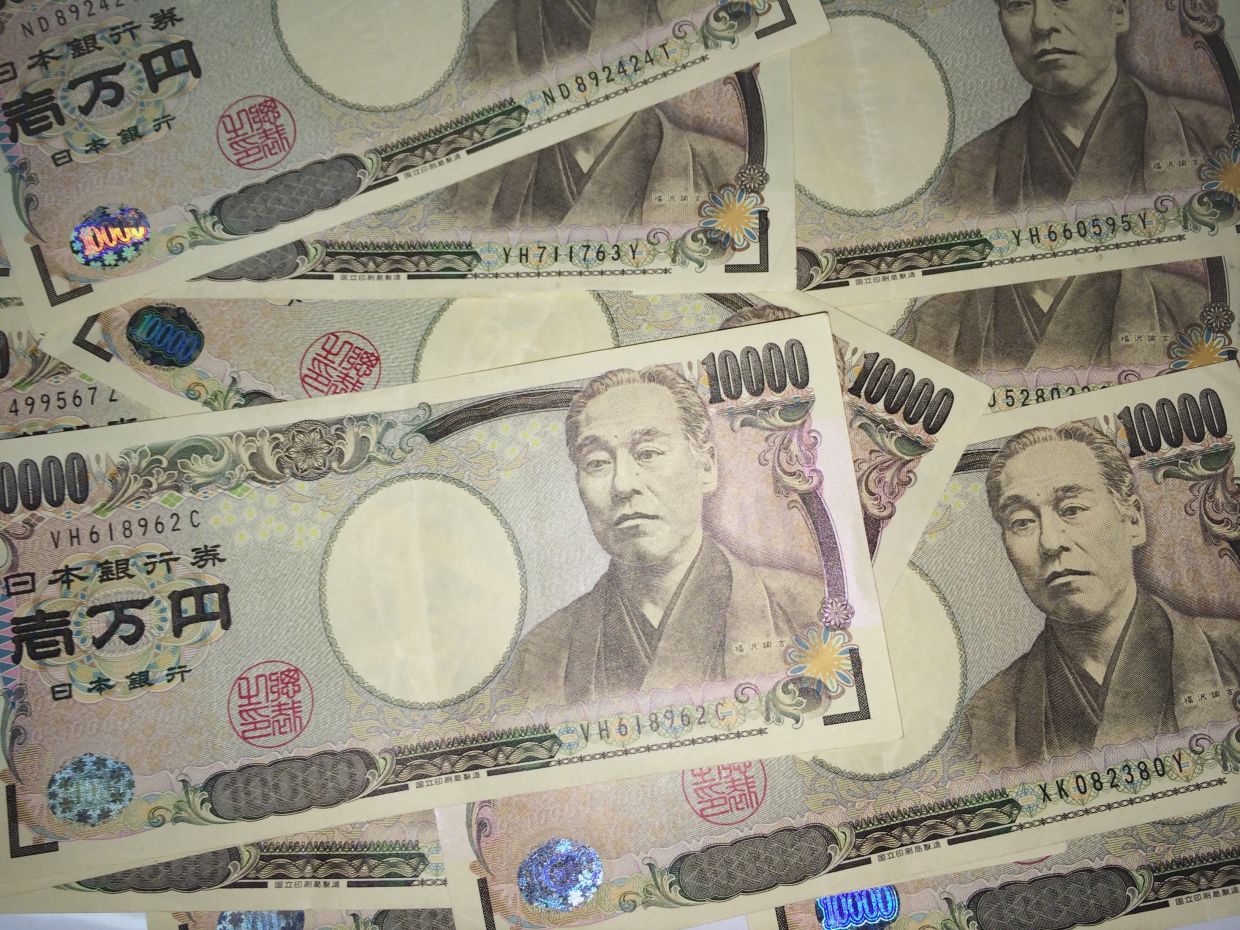
Japan's yen continues its troubling descent toward levels unseen in four decades, frustrating policymakers even as they deploy multiple tools to arrest the currency's freefall. On Friday, the yen hovered around 161.205 against the U.S. dollar, a marginal recovery from the previous day's two-year low but far from reassuring for the country's economic managers. The persistence of weakness despite both the Bank of Japan's rate increase last week and the Ministry of Finance's earlier intervention throughout the year underscores the formidable headwinds facing the currency and raises uncomfortable questions about the limits of policy action.
What makes the yen's decline particularly striking is its resistance to correction mechanisms that should theoretically support it. When the Bank of Japan raised interest rates to a 31-year high last week, market logic suggested Japanese assets would become more attractive, lifting demand for yen. Similarly, the Ministry of Finance's earlier dollar-selling intervention campaigns ought to have provided relief. Yet neither measure has delivered meaningful improvement, suggesting deeper structural issues at play. Concerns surrounding Prime Minister Sanae Takaichi's fiscal spending intentions have weighed heavily on investor sentiment, creating a confidence gap that technical interventions struggle to overcome. This dynamic highlights how currency markets ultimately respond to fundamental economic narratives and policy credibility rather than isolated policy moves.
Analysts tracking the situation closely remain watchful for fresh intervention attempts, which they expect Japan's Ministry of Finance will deploy should the yen weaken past the 161.95 threshold. Tony Sycamore, market analyst at IG in Sydney, estimates that defending this level would require deploying roughly ¥11.7 trillion in reserves, matching the scale of intervention witnessed in April and May. Such expenditures would represent approximately 11 to 12 percent of Japan's total reserve capacity deployed over a relatively compressed timeframe. The implications are sobering: should policymakers continue down this path at current rates, they will rapidly deplete their ammunition, forcing increasingly difficult choices about which defence lines warrant serious commitment.
The challenge facing Japan's authorities mirrors dilemmas that currency-dependent economies across Asia understand well. Once intervention reserves begin dwindling noticeably, central banks must become far more selective in their deployment, preserving firepower for moments deemed truly critical. This shift from aggressive to defensive posturing can actually accelerate currency weakness by signalling to markets that authorities are abandoning certain positions. Japan's policymakers thus face a strategic bind: continue defending aggressively and risk exhausting resources, or pull back and allow markets to perceive retreat as weakness. Either path carries reputational costs for future interventions.
The persistent softness in inflation data complicates the Bank of Japan's position. Core inflation remained below the central bank's 2 percent target for the fourth consecutive month in May, held down by government fuel price subsidies that have offset rising raw material costs stemming from Middle East turmoil. This disconnect between policy rate adjustments and inflation momentum reflects the real constraints operating on Japan's economy. While the government's fuel price caps have successfully kept consumer prices contained thus far, analysts at Capital Economics project that higher energy costs will eventually filter through to utility bills and broader goods and services, lifting inflation toward approximately 3.5 percent by early 2027. Until such pass-through materialises, the case for aggressive further rate increases remains incomplete.
Minutes from the Bank of Japan's April meeting released Friday revealed that certain board members advocated for more rapid rate increases if Middle East hostilities persist, motivated by concern that underlying inflation could overshoot the 2 percent target. Bank of Japan Deputy Governor Ryozo Himino reinforced this perspective on Friday, indicating the central bank remains attentive to such upside inflation risks. This forward-looking stance suggests the debate within Japan's monetary policy establishment has shifted toward acknowledging longer-term inflationary threats, even if immediate evidence remains limited. The central bank appears positioned to continue its gradual tightening trajectory, balancing the desire to defend the yen against economic growth concerns.
Regional currency markets displayed relative stability despite the yen's struggles. A modest U.S. dollar strength narrative dominated Asian trading, with the greenback index holding at 100.81 after advancing 0.5 percent to one-year highs. The signing of a U.S.-Iran peace deal earlier in the week had triggered normalisation of shipping through the Strait of Hormuz, yet this geopolitical relief provided only transitory support to riskier assets. Most regional currencies remained essentially flat as traders absorbed the implications of the accord, though lingering uncertainties about whether the truce will endure kept positions cautious.
Beyond Japan's challenges, currency markets elsewhere reflected policy stasis and political intrigue. The British pound flatlined at $1.3205 following the Bank of England's decision to hold interest rates steady at 3.75 percent Thursday, with the central bank judging the timing premature for increases given unresolved questions about inflation momentum. This cautious stance contrasts markedly with earlier 2024 expectations of faster rate cuts. Meanwhile, British political drama added an undercurrent of uncertainty, with traders monitoring a by-election involving Greater Manchester Mayor Andy Burnham, whose potential victory could reshape Labour Party leadership dynamics and thus influence future economic policy direction under Prime Minister Keir Starmer.
Commodity-linked currencies likewise showed little directional conviction. The Australian dollar edged down 0.1 percent to $0.7011, reflecting modest weakness in regional risk sentiment despite the U.S.-Iran peace breakthrough. The New Zealand dollar maintained its position at $0.5756. Cryptocurrency markets similarly displayed minimal conviction, with Bitcoin declining marginally to $62,868.18 and Ethereum holding unchanged at $1,708.98. The broader tone across Asian trading suggested markets were pausing for breath, awaiting clearer signals on inflation trajectories and geopolitical developments before committing fresh capital in either direction.
For Malaysian investors and policymakers, Japan's currency predicament carries important ramifications. A persistently weak yen makes Japanese exports more price-competitive, potentially intensifying competition for Malaysian manufacturers targeting regional and global markets. Conversely, it may reduce the purchasing power of Japanese tourists and reduce remittance values for Malaysians working in Japan. The broader implication concerns policy effectiveness: if one of the world's largest central banks struggles to influence its currency despite rate increases and intervention, it raises troubling questions about policy transmission mechanisms in an increasingly interconnected financial system. Southeast Asian economies wrestling with their own currency pressures may find themselves studying Japan's experience with particular interest.


