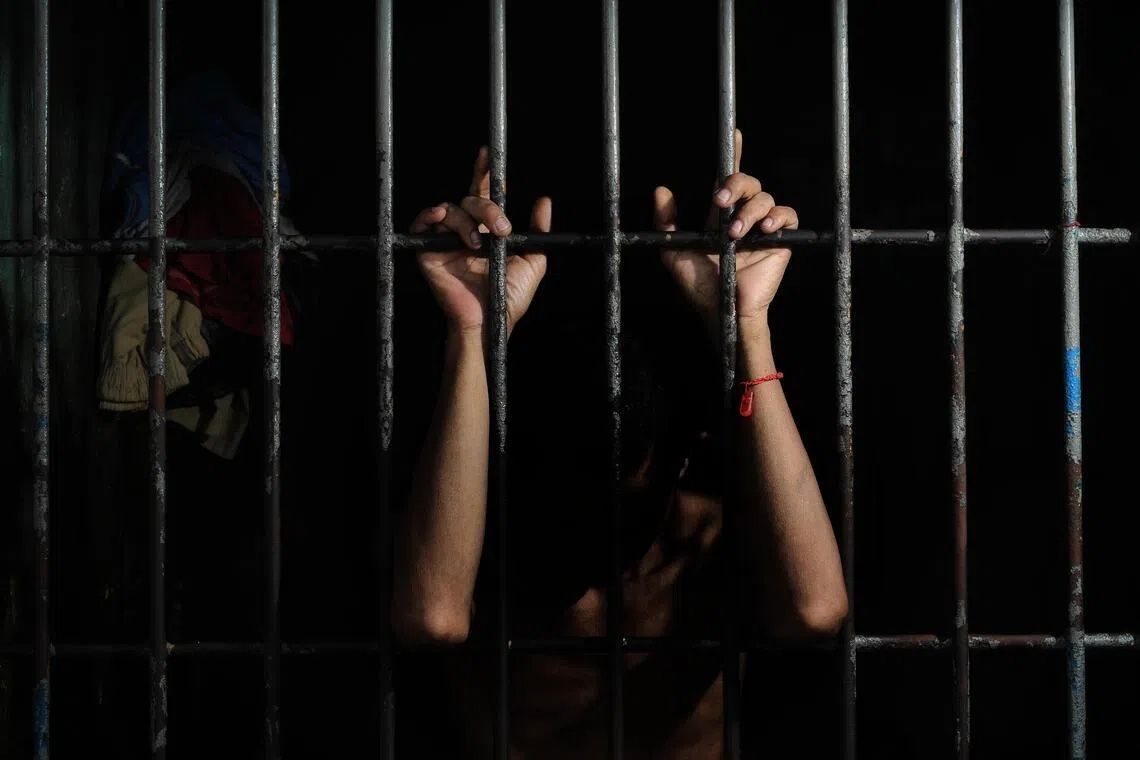
A mother in western Japan's Hyogo region has filed a landmark lawsuit against the state, seeking compensation for the death of her 16-year-old daughter who died from severe malnourishment following a traumatic 18-day detention period. The case, filed in Kobe district court, underscores persistent concerns about interrogation practices and pre-trial detention conditions in Japan's criminal justice system, which rights advocates have long criticized as deeply problematic. The girl, identified by the pseudonym Runa in legal documents, was arrested in June last year on allegations of assaulting a patient at a care facility where she worked during a Valentine's Day event. Despite maintaining her innocence and explaining that she was merely attempting to prevent the patient from biting another person by gently pressing her hand against their chin, authorities subjected her to relentless pressure to confess.
The 18-day ordeal left devastating psychological and physical consequences that ultimately proved fatal. Five months after her release from detention, Runa weighed only 20 kilograms, a stark indication of the severe trauma she had endured. In December, she passed away, prompting her mother to pursue legal action seeking approximately 100 million yen (roughly USD 623,000) in damages. At a news conference following the lawsuit's filing, Runa's mother expressed her anguish and determination to obtain answers. "My daughter was unrecognisable when she died," she stated, her words capturing the profound impact of the detention experience on her child's physical and mental state. The mother's demand for accountability reflects not only her personal loss but also a broader call for reform within Japan's justice system.
Runa's case exemplifies what critics term "hostage justice," a practice deeply embedded in Japan's criminal justice framework. The system operates on premises that diverge significantly from international norms regarding the presumption of innocence. Authorities routinely rely heavily on confessions obtained during interrogations, often treating a suspect's refusal to confess as grounds for extended detention. When individuals exercise their right to remain silent or maintain their innocence, they frequently face prolonged incarceration under punitive conditions designed to encourage confession. This creates a perverse incentive structure where innocence itself becomes a liability, as those who refuse to admit to crimes they did not commit face indefinite detention until they capitulate to interrogators' demands.
During Runa's 18 days in custody, she experienced systematic isolation and psychological manipulation. She was denied access to her family, permitted only contact with her lawyers, and subjected to relentless interrogation sessions designed to extract a confession. According to Masahiro Sasaki, the lawyer representing Runa's mother, investigators employed classic coercive tactics. One interrogator explicitly told the girl, "You did it, didn't you? Just tell the truth," a statement documented in the journal Runa kept during her detention. Interrogators also threatened her with placement in a reformatory and cruelly suggested she would not be permitted to see her mother unless she confessed. Such psychological tactics, particularly when directed at a minor, represent a fundamental violation of principles protecting vulnerable individuals within the criminal justice system.
The conditions of detention and interrogation precipitated severe mental and physical health consequences. Runa developed acute stress disorder, eating disorder, and post-traumatic stress disorder during and following her incarceration. Her physical deterioration was catastrophic, suggesting that the psychological trauma translated directly into an inability or unwillingness to eat adequately. The arrest itself appeared questionable from a legal standpoint. Sasaki emphasized the "extremely trifling" nature of the alleged assault, arguing that detention of a minor should only occur when absolutely necessary. Runa had no previous history of delinquency and lived under parental supervision, making her a low flight risk with minimal likelihood of destroying evidence. Yet prosecutors twice requested extension of her detention, while simultaneously blocking her lawyer's appeals to a judge for her release.
The turning point came only after Runa's physical condition deteriorated so severely that she vomited and collapsed. Following emergency medical care at an outside hospital, authorities finally released her on the grounds of non-prosecution, meaning charges were dropped entirely. This decision came eighteen days after her arrest, confirming that detention had never been legally justified. The prosecution's obvious determination to secure a confession, despite the weakness of their case, illustrates how "hostage justice" operates in practice: suspects are held not because compelling evidence exists but because authorities believe psychological pressure will eventually break their resistance and produce the desired admission of guilt.
Runa's tragedy is not an isolated incident but rather one of the most severe manifestations of a systemic problem that has drawn international criticism. Rights organizations, including global bodies that monitor adherence to international human rights standards, have repeatedly condemned "hostage justice" practices. These critiques have prompted some scrutiny of Japan's interrogation methods and detention policies, yet meaningful reform has been slow. The case of Iwao Hakamada provides another sobering example of the system's dangers. Hakamada was once the world's longest-serving death-row inmate, spending decades in prison based partly on confessions extracted during what Japan's Supreme Court ultimately ruled were "inhumane" interrogations. When his convictions were quashed in 2024, it vindicated decades of appeals and highlighted how confessions obtained under coercive conditions can lead to catastrophic miscarriages of justice.
For Malaysian and Southeast Asian observers, Runa's case serves as a cautionary reminder about criminal justice systems that prioritize confession-extraction over evidence-based investigation. While Malaysia's legal framework contains protections against custodial torture and excessive detention, the case highlights how institutional practices can diverge significantly from formal legal protections. The Japanese system's structure, which treats silence or denial as grounds for extended detention, creates powerful incentives for innocent people to confess to crimes they did not commit. Such systems undermine the rule of law and the legitimate administration of justice, transforming detention from a means of securing evidence into a tool of coercion.
The lawsuit's outcome remains uncertain, as the Kobe District Public Prosecutors Office declined to comment when contacted, stating they had not yet received formal notification. However, the case has already generated significant attention within Japan's legal community and among civil rights advocates seeking systemic reform. Runa's mother's decision to pursue litigation sends a clear message that families of victims of unjust detention will demand accountability. The compensation sought—100 million yen—reflects the severity of harm inflicted and the loss of a young life. More significantly, the lawsuit serves as a platform for examining whether Japan's criminal justice system can be reformed to protect vulnerable suspects, particularly minors, from the psychological and physical devastation caused by prolonged detention and coercive interrogation practices that contradict fundamental principles of human rights and fair treatment under law.