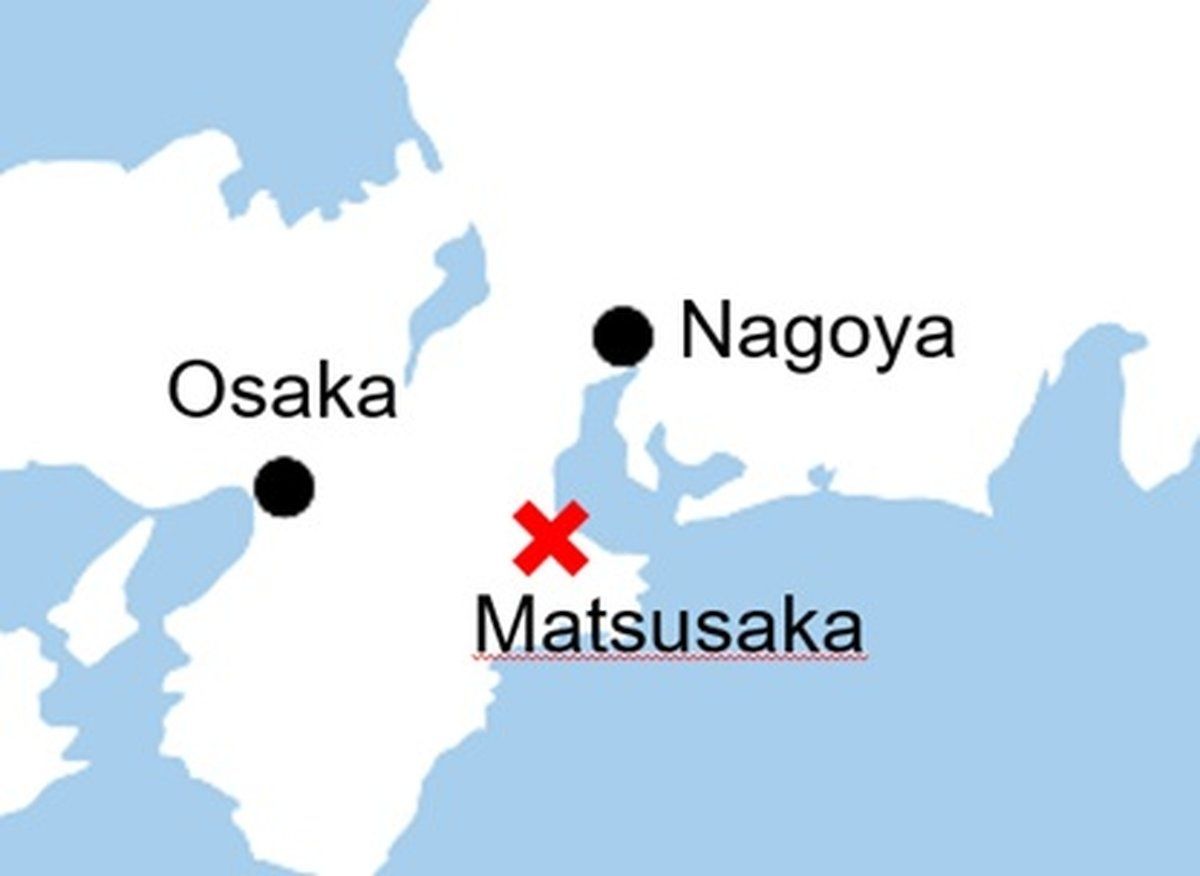
A 35-year-old resident of Matsusaka in Mie Prefecture, Japan, has been taken into custody following allegations that he placed his partner's five-year-old daughter inside a garbage can and sealed the lid shut. The arrest, made on Thursday, June 18, came after police began investigating an incident that had occurred nearly six weeks earlier. The suspect has reportedly acknowledged the accusations levelled against him, providing authorities with a detailed account of his actions.
On the evening of May 12, at approximately 6:30 pm, the man allegedly carried the young girl to a garbage container located at his partner's residence in Mie Prefecture. According to police statements, he then placed her inside the bin and closed the lid, effectively trapping her in darkness and confinement. The child remained trapped for about five minutes before being released. Remarkably, the girl sustained no physical injuries from the experience, though the psychological impact of such an ordeal on a young child raises serious concerns about her wellbeing.
When questioned by investigators, the man characterised his actions as a form of discipline, suggesting he believed the confinement served a corrective purpose. This justification underscores a troubling perspective on child rearing and punishment that authorities in Japan, like most developed nations, do not tolerate. The framing of child abuse as discipline reflects a broader problem in some households where outdated or extreme approaches to parenting persist despite modern understanding of child development and welfare standards.
The incident might have remained undiscovered had it not been for the intervention of a child welfare centre. On May 20, eight days after the confinement occurred, the centre became aware of what had transpired. This knowledge likely came through reports from teachers, relatives, or other individuals in contact with the child who noticed concerning behaviour or heard disclosures about the incident. Once alerted, the welfare centre immediately notified police, triggering the official investigation that led to the man's arrest.
The discovery of this incident has prompted broader protective measures for other children in the household. The girl's older sister has also been taken into protective custody by the child welfare centre. This precautionary step reflects standard child protection protocols when authorities identify a potentially unsafe home environment. The removal of both children from the residence suggests that investigators and welfare officials determined the household posed sufficient risk to warrant intervention, even for the older sibling who may not have been directly subjected to the same treatment.
This case highlights the effectiveness of Japan's child protection system in identifying and responding to instances of abuse, even when they occur in private domestic settings. The eight-day lag between the incident and official notification demonstrates that awareness-raising and training among professionals who interact with children—such as teachers and healthcare workers—remains crucial. These individuals often serve as the frontline defence for vulnerable children unable to protect themselves or seek help independently.
For regional observers, the incident reflects challenges in child protection that are not unique to Japan but present across many Asian societies where traditional discipline methods sometimes clash with contemporary child welfare standards. Malaysia and other Southeast Asian nations have similarly grappled with defining the boundaries between culturally accepted discipline and actionable abuse. The clarity with which Japanese authorities responded to this case demonstrates institutional capacity to act swiftly once abuse is reported, a standard that serves as a benchmark for child protection systems throughout the region.
The psychological wellbeing of the child at the centre of this case will likely require ongoing professional support. Being confined in a dark, enclosed space is inherently traumatic for any person, but particularly for a five-year-old whose cognitive development and sense of security are still forming. Child psychologists would typically expect such an experience to leave emotional scars that require therapeutic intervention to address, though the lack of physical injury does not diminish the severity of the psychological harm.
This case also raises questions about the adult relationship in which the abuse occurred. The man acted towards his partner's biological daughter, not his own child. This dynamic may have influenced both the perpetrator's sense of authority and the delay in the abuse coming to light. Family structures involving step-parents or parental partners sometimes create complex dynamics around discipline and intervention, factors that child welfare agencies must carefully navigate when investigating such incidents.