Japan's rapidly ageing society faces an unprecedented caregiving crisis, and one retired physician is pushing an extreme solution that has shocked audiences and critics alike. Yo Kusakabe, a former geriatric specialist from Osaka, has resurfaced the provocative premise of his 2003 novel "Haiyoshin (Useless Body)" through its recent film adaptation, which presents the radical concept of "A-care (Amputation Care)" — the deliberate removal of paralysed limbs from elderly patients to ease the burden on caregivers. The film's release last month in Japan has ignited fierce controversy, with some viewers labelling it the year's most shocking production whilst others suggest it contains uncomfortable truths about the nation's caregiving system.
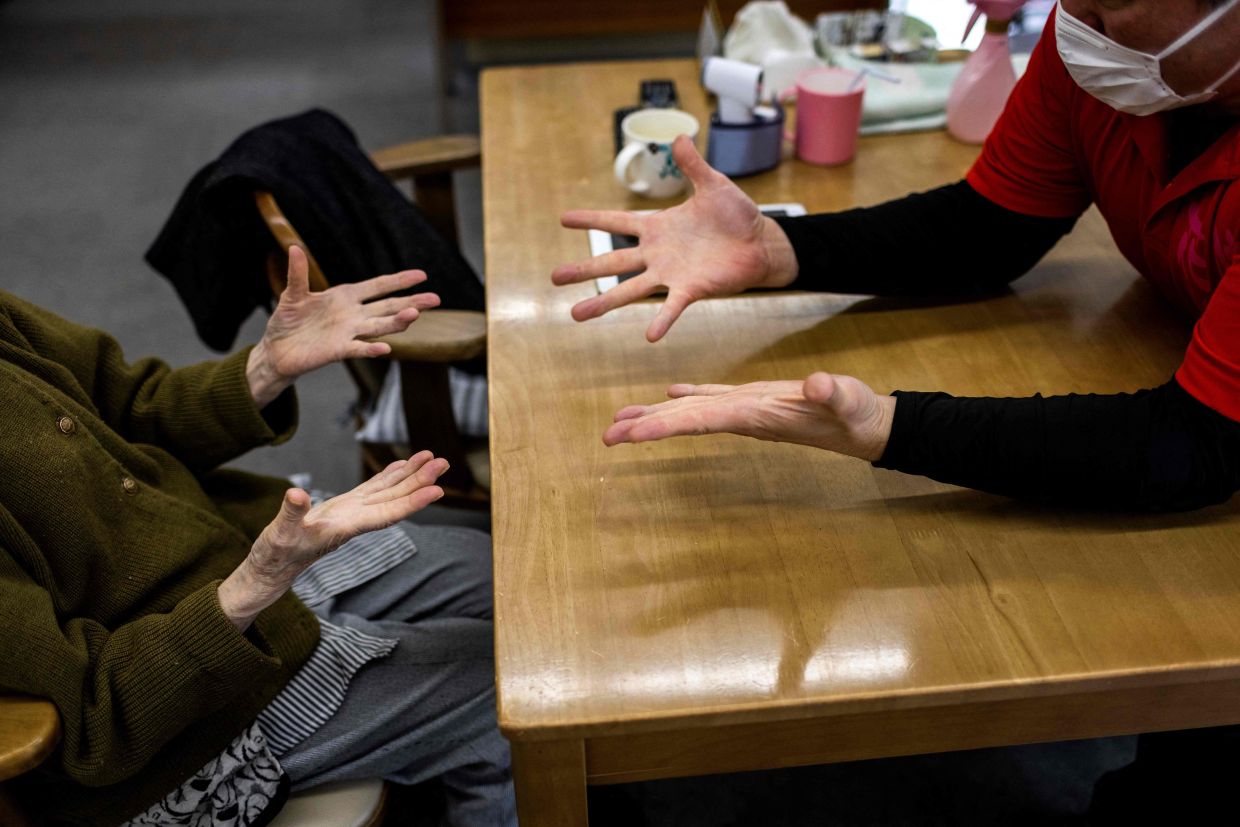
Kusakabe's central argument rests on a practical observation. He contends that immobilised arms and legs serve no functional purpose for severely disabled patients, yet create significant physical and logistical challenges for those tending to them. A limb that cannot move becomes deadweight — getting caught in clothing during dressing, requiring additional effort during bathing, and increasing the physical strain on caregivers who must lift and manoeuvre heavier bodies. The 70-year-old physician argues that removing these useless appendages would substantially reduce the biomechanical burden on carers, potentially enabling female carers to lift heavier male patients with less risk of back injury. His position is framed entirely around consent; he emphasises that such interventions would only occur with the explicit agreement of patients themselves, operating from the premise that individuals capable of rational decision-making should be able to choose procedures that improve their quality of life, even if those choices seem extreme to outsiders.
The timing of this literary and cinematic provocation could hardly be more pertinent. Japan currently grapples with demographic realities that few developed nations have experienced at such scale. Almost one in three Japanese citizens are now aged 65 or older, fundamentally reshaping the nation's social and economic landscape. The government projects a shortage of approximately 570,000 caregivers by 2040 — a gap that emerges from both the rising elderly population requiring support and the declining younger workforce available to provide care. Kusakabe's assessment is blunt: while Japan's caregiving industry has not yet collapsed entirely, the trajectory is unmistakably toward systemic failure unless radical changes occur. This vulnerability extends beyond mere statistics; it manifests in concrete human tragedies that occur with disturbing regularity across the country.
The phenomenon of "kaigo satsujin" — caregiving murders — reveals the desperation and despair that overwhelm family members and professional carers stretched beyond their psychological and physical limits. An investigation by the public broadcaster NHK in 2016 uncovered that such homicides were occurring approximately once every two weeks throughout Japan. These deaths represent the darkest manifestation of a care system under extreme stress, where individuals tasked with the impossible break down and, in some cases, take the lives of those they were meant to protect. Kusakabe's argument gains uncomfortable weight from these statistics; he suggests that if such tragedies continue to escalate, the seemingly unthinkable option of elective amputation might eventually be perceived as a rational, harm-reduction approach within Japanese society.
Kusakabe's novel was widely considered unfilmable when first published over two decades ago, its premise too transgressive and disturbing for mainstream audiences. Contemporary release of the film adaptation suggests either shifting cultural attitudes or an institutional judgment that the ongoing care crisis has become serious enough to warrant examining previously taboo solutions. The cinematic portrayal presents amputation not purely as burden-reduction but also as potentially beneficial for patients themselves. In the narrative, elderly individuals who undergo "A-care" are depicted as experiencing relief from pain associated with immobilised, spasming limbs that throb constantly and serve no purpose. The film shows amputee characters rediscovering physical agility and joy, tossing balloons and manoeuvring wheelchairs with newfound ease. This framing complicates moral objections by suggesting the intervention might genuinely improve patient outcomes, at least in immediate terms.
The film raises fundamental philosophical questions about end-of-life dignity that resonate throughout Japanese healthcare discourse. Kusakabe poses a stark choice: should elderly patients suffer through the painful process of dressing an immobilised arm, or should they be spared that suffering through amputation? The framing reveals deep disagreement about what dignity actually means in conditions of severe disability and dependence. This philosophical divide becomes particularly acute when considering Japan's actual healthcare practices, which often diverge markedly from this utilitarian logic. Feeding tubes and intravenous nutrition for patients aged 75 and older remain heavily subsidised through insurance coverage, with these interventions routinely deployed to maintain life in patients who have become bedridden and essentially unresponsive. Families often insist on such measures, unable to accept the possibility of allowing their elderly relatives to pass naturally, even when doing so would spare the patient suffering.
Kusakabe identifies a broader cultural pattern in Japanese attitudes toward elderly care that contrasts sharply with approaches in Scandinavian countries. In nations like Sweden and Denmark, palliative care frameworks often recommend withholding feeding when elderly patients lose the ability or desire to eat naturally, permitting a peaceful death rather than artificial prolongation of existence through invasive medical intervention. Japan's approach reflects different philosophical and cultural foundations, rooted partly in filial piety, partly in denial about mortality, and partly in confusion about what constitutes appropriate care. Families, Kusakabe suggests, cannot psychologically bear the prospect of "doing nothing" for dying relatives, even when active intervention prolongs suffering. This cultural resistance to accepting natural death means that a truly rational, body-preserving approach to end-of-life care — let alone the radical amputation proposal — remains poorly aligned with Japanese social norms.
Yet Kusakabe himself appears sceptical that amputation will ultimately gain acceptance, even as Japan's care system deteriorates. He acknowledges that Japan's cultural inability to embrace bold, rational approaches to mortality and dignity probably disqualifies such radical interventions from serious consideration. The film itself provides a narrative counterweight to its own premise; the initial enthusiasm for "A-care" in the story ends in tragedy, with an incident that shatters the protagonist's confidence in the intervention's effectiveness. This dark turn suggests that even within Kusakabe's own artistic vision, the simplistic solution proves inadequate to the moral and human complexity of elderly care.
The deeper value of Kusakabe's provocative work may lie not in endorsing amputation but in forcing society to confront uncomfortable truths about caregiving, dignity, and mortality that remain largely unexamined in contemporary Japan. By presenting an idea so extreme that it triggers visceral rejection, the film creates space for more serious discussion about what Japan actually values in elderly care and what realistic alternatives exist. The film has attracted viewers who, whilst rejecting amputation, acknowledge that the novel's core observations about carer shortages, family suffering, and institutional failure ring true. For Malaysian and broader Southeast Asian readers, Kusakabe's cautionary tale offers relevant insight into how rapidly ageing populations throughout the region will grapple with similar care deficits within decades, potentially forcing difficult conversations about resource allocation, cultural values, and the meaning of dignity in conditions of profound dependence. Japan's experience suggests that societies cannot indefinitely sustain current care models whilst ageing populations accelerate; difficult choices loom whether nations acknowledge them or not.