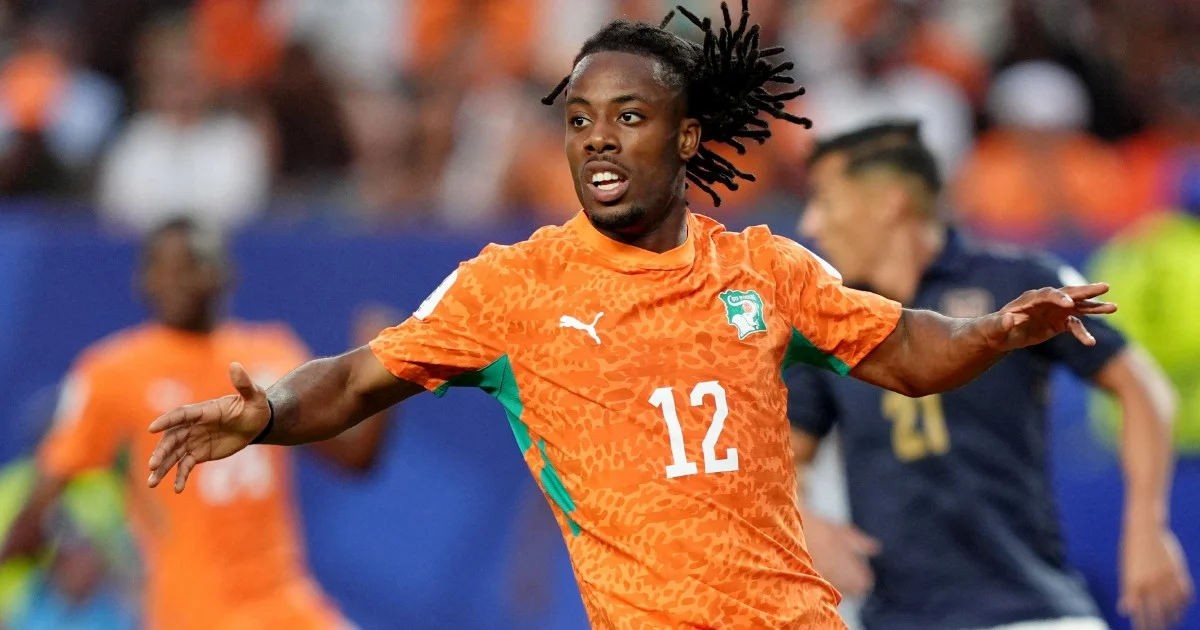
Ivory Coast's prominent forward Elye Wahi faces scrutiny from French authorities investigating suspected match-fixing schemes in professional football. The player, who took the field in his country's World Cup triumph over Ecuador on Sunday, was detained last month as authorities expanded their probe into alleged spot-fixing activities. News of the arrest emerged Wednesday through reporting by The Athletic, marking a significant development in an ongoing investigation that has cast a shadow over French football.
Wahi's involvement in the inquiry underscores the widening scope of French football's match-fixing problems. While the precise nature of the allegations remains unclear, spot-fixing investigations typically focus on specific moments within matches rather than predetermined outcomes. These probes have become increasingly common across European football as regulators attempt to root out corruption that threatens competitive integrity. The timing of Wahi's arrest, occurring in May, suggests authorities had developed sufficient evidence to warrant his detention during what would have been the final stages of the domestic season.
The player's active role in Ivory Coast's World Cup campaign despite the pending investigation raises questions about international football's coordination with national authorities. Wahi's selection for the squad and continued participation at the tournament indicate that the Ivorian football federation either lacked knowledge of the French investigation or determined his involvement would not preclude international competition. This scenario reflects ongoing tensions between club-level regulatory bodies and national teams regarding player availability and conduct standards.
For Malaysian and Southeast Asian football observers, the Wahi case reinforces broader concerns about integrity challenges facing the sport globally. Match-fixing investigations have periodically affected regional football, and the sophistication of French authorities' approach serves as a reminder that even prominent European leagues remain vulnerable. The case demonstrates that rigorous anti-corruption mechanisms, while necessary, operate separately from the competition ecosystem, sometimes creating apparent inconsistencies in how players are treated during investigations.
Wahi's professional trajectory has been notable in recent seasons, with the forward establishing himself as a regular contributor at club level before earning international recognition. His World Cup appearance indicates that despite the investigation, selectors viewed him as sufficiently important to the national team's prospects. This decision reflects the practical pressures facing international managers who must balance player availability with broader concerns about conduct and propriety.
The French investigation into spot-fixing represents part of a broader European trend toward heightened scrutiny of professional football. Several major leagues have strengthened their monitoring systems and cooperative arrangements with law enforcement agencies. France's authorities have demonstrated particular commitment to investigating allegations, sometimes employing methods that bring athletes into direct confrontation with the legal system rather than managing matters exclusively through sports governing bodies.
Spot-fixing investigations differ from broader match-fixing probes in their focus on specific elements such as particular goals, yellow cards, or corner kicks rather than entire match outcomes. This specificity often involves betting syndicates targeting moments within matches that attract limited attention from standard monitoring systems. The targeted nature of such schemes makes them particularly difficult to detect, requiring sophisticated data analysis and coordination between football authorities and law enforcement.
The impact on Wahi's career remains uncertain, with the investigation ongoing and no formal charges publicly confirmed. Players undergoing such investigations often face suspension from professional competition pending outcomes, though international football has shown greater flexibility in some instances. The Ivorian federation's decision to field Wahi in World Cup matches suggests confidence that his participation would not result in immediate sanctions from FIFA or other international bodies.
For players operating in Europe, particularly those based in France, navigating regulatory environments has become increasingly complex. Young athletes aspiring to compete at the highest levels must now account not only for football-related considerations but also the potential for involvement in criminal investigations. Wahi's situation illustrates how quickly the trajectory of a promising career can become complicated by factors beyond conventional sporting performance.
The investigation's eventual conclusion will likely influence how French football addresses spot-fixing prevention going forward. If charges are substantiated, the case may prompt additional regulatory measures across professional leagues. If investigations clear the players involved, the episode raises questions about investigative processes and whether sufficient protections exist for athletes subjected to detention during preliminary inquiries.
Sean-fixing remains a persistent challenge for football governance, with betting markets continuing to expand across regulated and unregulated platforms. The complexity of modern football's commercial ecosystem, combined with sophisticated criminal organisation, ensures that investigators will encounter increasingly elaborate schemes. France's commitment to aggressive investigation and prosecution reflects the sport's broader recognition that corruption threatens its foundational legitimacy.