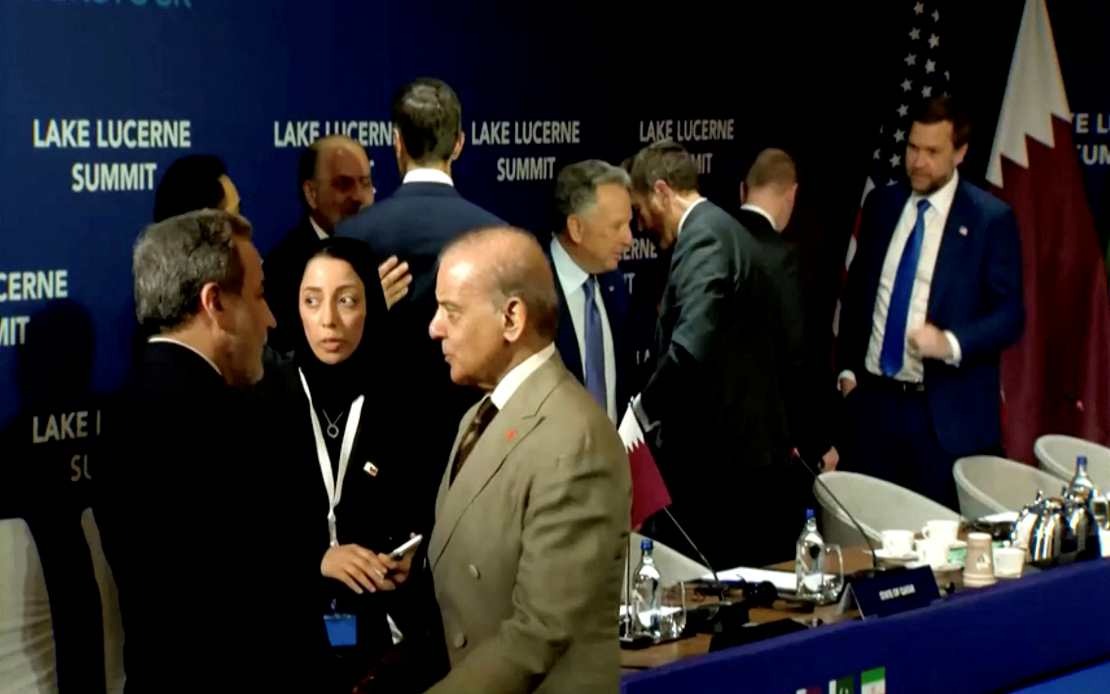
Negotiators from Iran and the United States have reached agreement on a draft text that would temporarily ease sanctions affecting Iran's oil sector, marking a significant development in their ongoing diplomatic engagement. The announcement came from Hossein Ghorbanzadeh, a senior member of Iran's negotiating delegation, following intensive discussions held at the Burgenstock resort in Switzerland on Sunday. The momentum behind these talks reflects months of shuttle diplomacy, with Pakistani mediation proving instrumental in bringing the two sides to this juncture.
The draft concerning temporary sanctions relief on Iranian oil exports emerged from the Swiss negotiations as part of a broader framework aimed at de-escalating regional tensions. What distinguishes this development from previous negotiation cycles is the structured approach: beyond the main bilateral discussions, technical experts from both delegations held separate working sessions to address specific implementation details and contentious provisions. This compartmentalised methodology appears designed to build confidence incrementally while allowing room for further refinement before any final accord.
Crucially, Ghorbanzadeh emphasized that the broader memorandum of understanding between Iran and the United States carries a significant condition. The remaining provisions will not take effect unless a comprehensive final settlement is reached to terminate the war in Lebanon, according to statements carried by Iran's Tasnim news agency. This linkage reflects Tehran's determination to secure regional peace as a prerequisite for broader normalisation, rather than allowing sanctions relief to proceed independently of conflict resolution. Such conditionality underscores the interconnected nature of Middle Eastern geopolitics, where developments in one domain necessarily influence outcomes in others.
The diplomatic process gained formal momentum on June 14, when Iran and the US announced a 14-point understanding that had been negotiated through Pakistani intermediaries. This arrangement, styled the Islamabad Memorandum of Understanding, established a comprehensive framework explicitly designed to end hostilities and facilitate dispute resolution through peaceful channels rather than military confrontation. The fact that both nations reached sufficient accord to formally sign the memorandum electronically just four days later, on June 18, demonstrates the urgency both sides attach to resolving their differences.
President Masoud Pezeshkian of Iran and President Donald Trump of the United States each affixed electronic signatures to the memorandum, lending it official status. The document's scope extends beyond oil-related matters to encompass security arrangements affecting the broader region. Among its key provisions are cessation of hostilities across all theatres of conflict, including the Lebanese arena; restoration of shipping corridors through the Strait of Hormuz; and termination of the US naval blockade that has constrained Iranian maritime activities for years. These components represent interconnected elements that Iran views as essential to genuine normalisation.
The inclusion of Lebanon-related provisions within the larger framework reflects the heightened tensions that have characterised the region in recent years. Iranian-backed militant groups and Israeli forces have engaged in periodic confrontations across Lebanon's border, with the risk of escalation into broader conflict. By tying sanctions relief to a comprehensive settlement that includes Lebanese peace arrangements, Iran has positioned itself to leverage the attractive prospect of economic reopening in service of broader regional stability objectives. This approach may provide both sides with incentives to press their respective allies and proxies toward accepting negotiated settlements.
Parallel discussions between Iranian representatives and delegations from Qatar focused on the release of Iranian assets frozen in international financial systems. The frozen funds represent a significant economic grievance for Tehran, stemming from years of international sanctions regimes. Their potential unfreezing could materially improve Iran's fiscal position and support economic reconstruction, making this component of negotiations a critical issue for domestic Iranian constituencies who have borne the costs of international isolation.
The technical discussions that accompanied the main negotiations suggest both sides are approaching implementation challenges seriously. Oil sanctions relief requires detailed attention to compliance mechanisms, monitoring arrangements, and enforcement procedures that satisfy both parties' security concerns. The involvement of technical experts indicates recognition that broad political agreement must be translated into workable operational procedures, a distinction often overlooked in preliminary reports but essential for sustained compliance.
For Malaysia and the broader Southeast Asian region, developments in Iran-US relations carry tangible implications for energy markets and regional security. Iran holds some of the world's largest proven oil reserves, and any substantial increase in its exports could influence global petroleum prices affecting economies throughout Asia. Additionally, reduced tensions in the Middle East diminish risks of regional conflicts that could disrupt shipping lanes critical to Southeast Asian trade. The Strait of Hormuz passage through which much regional commerce flows remains strategically vital, making the proposed reopening of this corridor significant for Malaysian commercial interests.
The Islamabad Memorandum represents a notable departure from patterns of confrontation that have characterised Iran-US relations for decades. Pakistani mediation's success in bringing both sides to agreement underscores how regional powers can facilitate great power diplomacy when domestic political alignments permit. The framework's emphasis on addressing not only bilateral grievances but also regional conflicts such as Lebanon's situation demonstrates an understanding that sustainable normalisation requires comprehensive rather than compartmentalised approaches to peacemaking.
Looking ahead, the provisional nature of the sanctions relief provisions pending final settlement on Lebanon underscores that this current agreement, while substantial, represents an intermediate step rather than a final resolution. The technical refinements still required and the conditional implementation trigger mean these negotiations will likely extend over subsequent months. Both delegations appear committed to methodical progress, however, suggesting that despite the complexity of the issues involved, genuine momentum toward broader accommodation has developed.
%22%2F%3E%3C%2Fpattern%3E%3C%2Fdefs%3E%3Crect%20width%3D%22100%25%22%20height%3D%22100%25%22%20fill%3D%22url(%23ph4gywdg)%22%2F%3E%3Crect%20width%3D%22100%25%22%20height%3D%22100%25%22%20fill%3D%22url(%23ph4gywdp)%22%2F%3E%3Ctext%20x%3D%2250%25%22%20y%3D%2250%25%22%20text-anchor%3D%22middle%22%20dominant-baseline%3D%22central%22%20fill%3D%22rgba(255%2C255%2C255%2C0.95)%22%20font-family%3D%22Georgia%2C%20'Times%20New%20Roman'%2C%20serif%22%20font-weight%3D%22700%22%20font-size%3D%22170%22%20letter-spacing%3D%22-0.02em%22%3EMalaysia%3C%2Ftext%3E%3C%2Fsvg%3E)
%22%2F%3E%3C%2Fpattern%3E%3C%2Fdefs%3E%3Crect%20width%3D%22100%25%22%20height%3D%22100%25%22%20fill%3D%22url(%23ph5balhg)%22%2F%3E%3Crect%20width%3D%22100%25%22%20height%3D%22100%25%22%20fill%3D%22url(%23ph5balhp)%22%2F%3E%3Ctext%20x%3D%2250%25%22%20y%3D%2250%25%22%20text-anchor%3D%22middle%22%20dominant-baseline%3D%22central%22%20fill%3D%22rgba(255%2C255%2C255%2C0.95)%22%20font-family%3D%22Georgia%2C%20'Times%20New%20Roman'%2C%20serif%22%20font-weight%3D%22700%22%20font-size%3D%22320%22%20letter-spacing%3D%22-0.02em%22%3EMuda%3C%2Ftext%3E%3C%2Fsvg%3E)