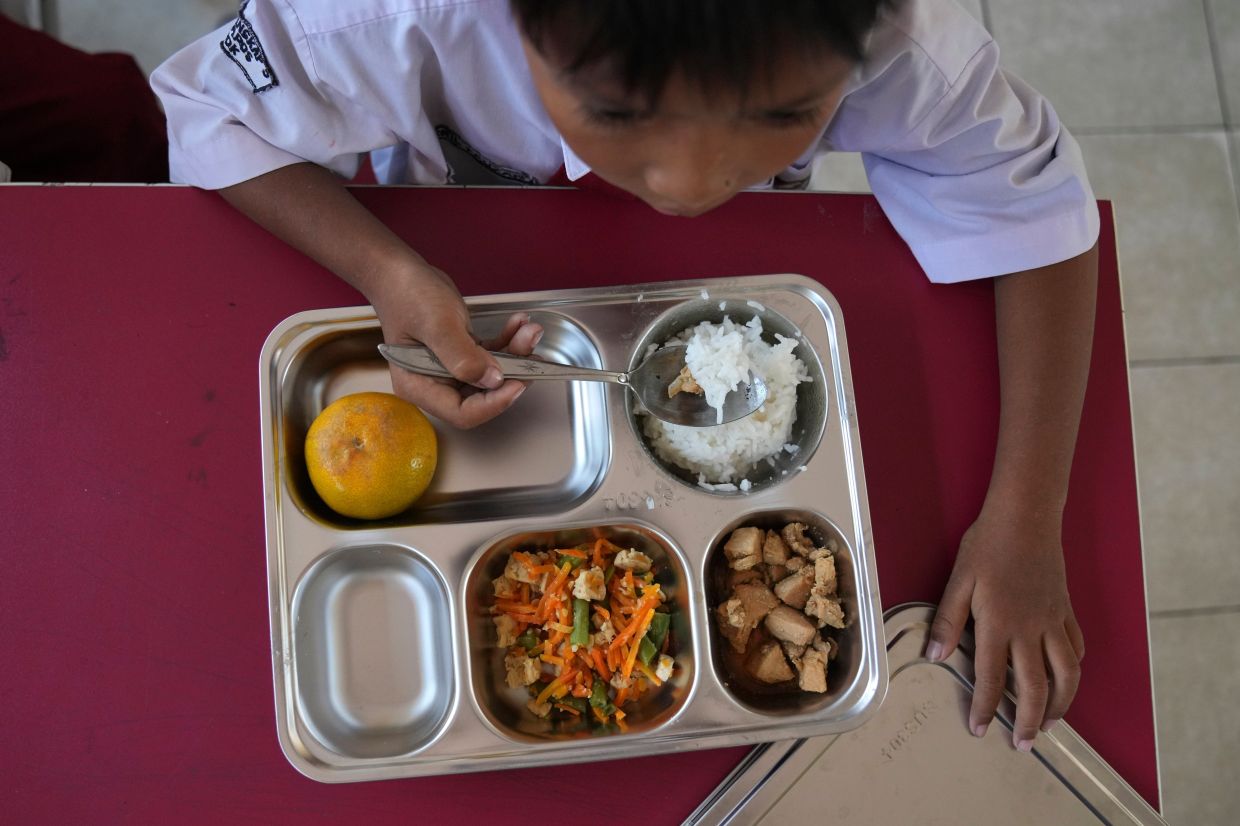
Indonesia's premier anti-graft organisation has intensified calls for the suspension of President Prabowo Subianto's flagship free meals initiative, even proposing the complete dismantling of the National Nutrition Agency that oversees the massive undertaking. The intervention marks a significant escalation in scrutiny of a scheme that costs roughly US$15 billion annually and has emerged as one of the administration's signature social policy pledges.
Wana Alamsyah, who heads the law and investigation division at Indonesia Corruption Watch, contends that authorities have not gone far enough in their examination of the scheme. Beyond the recently announced probe into Dadan Hindayana, the former chief of the National Nutrition Agency or BGN, investigators must expand their inquiry to encompass all parties who may have profited from the programme's governance failures. His organisation has documented widespread concerns about how the meals are procured, distributed and monitored, suggesting systemic vulnerabilities throughout the operation.
The corruption allegations emerged swiftly this month, with Hindayana's dismissal followed almost immediately by the Attorney-General's announcement of formal charges. Four additional individuals, including two former deputies of Hindayana, have since been detained in connection with the investigation. The speed and scope of these actions indicate that irregularities within the BGN have reached a level warranting criminal prosecution, though anti-corruption advocates argue the net should be cast considerably wider.
Wana's analysis extends beyond administrative misconduct to encompass the structural problems that enabled impropriety in the first instance. He emphasises that vendors and procurement committee members involved in the bidding and selection process warrant thorough examination, as do any government officials who may have steered contracts toward favoured providers. The agency, created less than two years ago, has already extended its reach to more than 60 million recipients across Indonesia, creating an enormous logistical and financial footprint vulnerable to exploitation.
The programme's vulnerabilities have roots in its hasty conception and rollout. Indonesia Corruption Watch has previously identified concerning patterns of political patronage within the kitchen network that forms the operational backbone of the meals initiative. In a comprehensive review of 102 foundations managing kitchens across 38 provinces, the watchdog documented troubling connections between these organisations and politically-aligned figures including lawmakers, bureaucrats, military personnel and business interests. Such networks create opportunities for self-dealing and preferential treatment that circumvent transparent competitive processes.
Separate research reinforces these concerns. The Jakarta-based Centre of Economic and Law Studies found that nearly four-fifths of respondents acknowledged potential conflicts of interest in the direct appointment of vendors to the programme. Earlier studies flagged risks of uneven geographic distribution, questionable nutritional standards and inefficient budget deployment. These analyses suggest the programme's problems extend beyond isolated cases of individual malfeasance to reflect deeper systemic deficiencies in programme design and management.
The incoming leadership at the BGN, under Nanik S. Deyang's direction, has acknowledged the necessity for substantial recalibration. Rather than pursuing the original target of reaching 82.9 million recipients, the agency now emphasises quality over quantity, aiming to deliver genuinely nutritious meals rather than simply maximising meal volumes. The budgeted allocation of 268 trillion rupiah may face reduction as the programme refocuses toward underserved regions, particularly remote areas where malnutrition remains endemic. Deyang has also imposed a moratorium on constructing new kitchen facilities, instead redirecting resources toward utilising existing school canteens and similar infrastructure.
Yet Wana raises pointed questions about the timing of this intervention. Why, he asks, did the government allow acknowledged problems—documented through social media criticism, reports of food poisoning and complaints about meal quality—to persist throughout 2025 without intervention? His assessment suggests that fiscal pressures, potentially exacerbated by elevated fuel subsidy costs stemming from regional instability, may have forced the government's hand. By sacrificing Hindayana and recalibrating the programme's scope, authorities may be attempting to legitimise necessary budget adjustments while retaining the political benefits associated with the meals initiative.
Prabowo has publicly declared his intolerance for corruption within the programme, stating directly that he will not permit public funds to be misappropriated under any circumstances. This rhetoric, while reassuring, does not address the structural governance questions that anti-corruption advocates have identified. The programme's vulnerability to patronage and conflict of interest reflects not merely individual failings but rather institutional design problems that require comprehensive remedial action.
The controversy has triggered public backlash. Student protests in Jakarta and subsequent demonstrations across major cities have challenged both the meals programme specifically and the administration's broader spending priorities. Authorities deployed over 6,000 police and military personnel to manage these demonstrations, indicating the level of public concern surrounding the initiative. The programme's substantial fiscal burden has also unnerved investors concerned about Indonesia's budget trajectory and overall macroeconomic stability.
Beyond Indonesia's borders, the episode carries implications for regional governance and development policy. Large-scale food security and nutrition programmes face common implementation challenges across Southeast Asia, where establishing transparent procurement systems and preventing politically-motivated patronage remain ongoing struggles. Indonesia's experience demonstrates how even well-intentioned flagship initiatives can become vulnerable to the very corruption that comprehensive governance structures are designed to prevent.
The path forward requires more than leadership transitions and operational adjustments. Wana's call for systematic investigation of all parties benefiting from the programme's governance failures suggests that meaningful reform must address institutional incentives and accountability mechanisms. Until the BGN and its supporting kitchen network operate through transparent, competitive and auditable processes, the programme will remain susceptible to the patronage dynamics that Indonesia Corruption Watch has documented across multiple provinces.