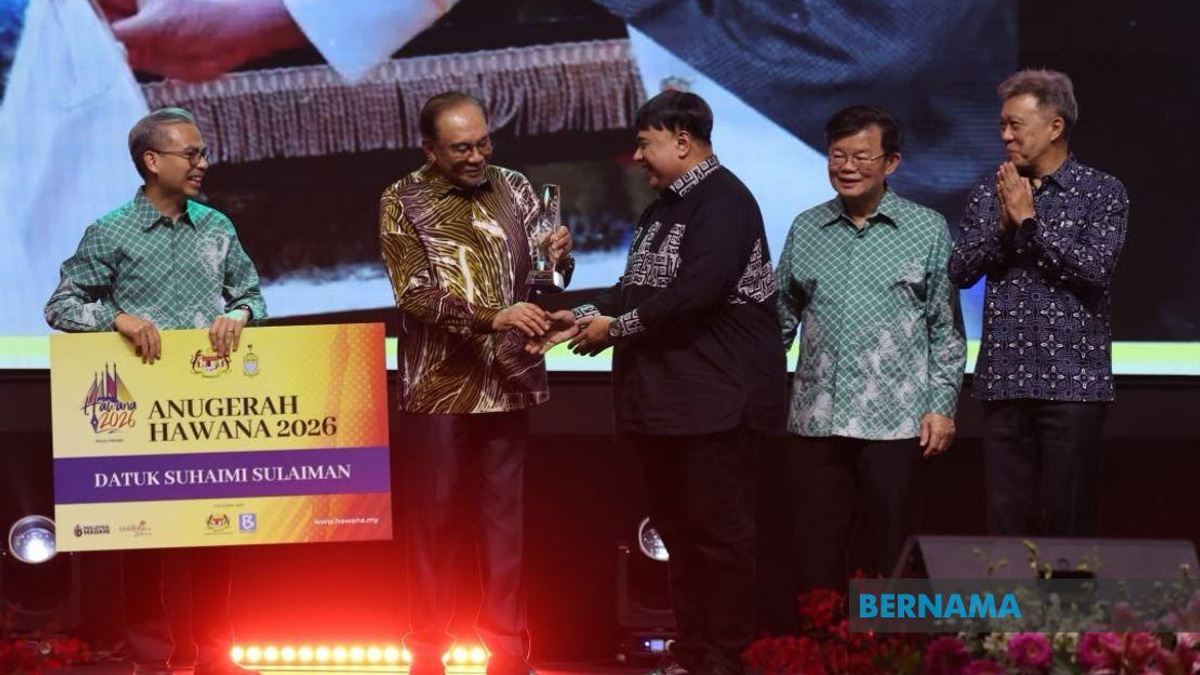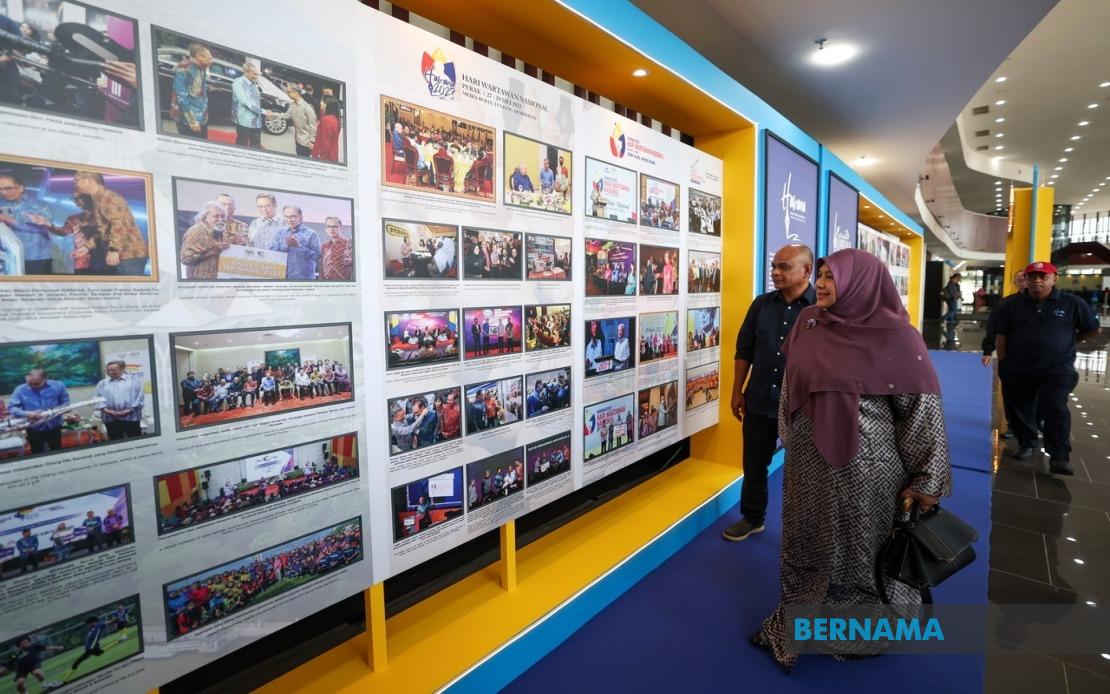
The National Journalists' Day summit, HAWANA 2026, begins tomorrow in Penang, marking a significant departure from the event's traditional Kuala Lumpur venue. Scheduled to be officially opened by Prime Minister Datuk Seri Anwar Ibrahim at 3 pm, the gathering represents a pivotal moment for Malaysia's journalism sector to examine its role in contemporary society. Themed 'Media Integrity Strengthens Credibility', the two-day event at PICCA@Arena Butterworth Convention Centre promises to draw approximately 1,000 media practitioners from across Malaysia and international delegations, cementing its status as Southeast Asia's most important professional journalism platform.
The Working Committee, chaired by Bernama chief executive officer Datin Paduka Nur-ul Afida Kamaludin, has invested substantial effort in logistical preparation over the preceding three days, with final-stage arrangements now reportedly 80 per cent complete. Multiple rehearsal sessions have been conducted to eliminate potential operational friction and ensure a seamless event experience. The meticulous approach reflects recognition that hosting a gathering of this scale in Penang, rather than the nation's capital, presents distinct organisational complexities that demand precision planning and coordination across multiple stakeholders.
The decision to shift the venue northward to Penang carries both symbolic and practical implications. While relocating away from Kuala Lumpur theoretically expands access to Malaysia's broader journalistic community, particularly practitioners in northern states, it simultaneously presents attendance challenges. Professionals based in the capital and surrounding areas now face increased travel demands, and the relocation may inevitably suppress overall participation rates compared to previous editions held in a more centralised location. The Penang setting, however, underscores the organisers' commitment to decentralising major journalism events and strengthening connections between federal structures and regional media sectors.
Accommodation and transportation logistics have proven particularly demanding in structuring this northern venue. The organising committee engaged in detailed negotiations with hospitality providers throughout Penang to secure adequate lodging capacity and arrange reliable transit systems for attendees. These discussions extended beyond merely booking hotel rooms; they encompassed coordination of meals, venue access, and auxiliary services required to host such a substantial assembly. Datin Paduka Nur-ul Afida's explicit mention of these partnership efforts signals that successful event hosting depends fundamentally on cultivating institutional relationships with private sector providers.
Beyond the main summit, HAWANA 2026 incorporates an expanded programme of complementary seminars, workshops and networking sessions. The Malaysian Media Council, Federation of Malaysian Media Clubs (GKMM), and Malaysian Press Institute (MPI) have all scheduled subsidiary events to run concurrently, effectively transforming the gathering into a comprehensive professional development forum. These parallel initiatives amplify the event's educational utility and provide diverse platform opportunities for practitioners representing different journalism disciplines and media organisations.
The central theme of media integrity and credibility resonates particularly meaningfully within Malaysia's contemporary information ecosystem. As Southeast Asian democracies navigate challenges including digital misinformation, platform algorithms, and audience fragmentation, journalism institutions face intensifying scrutiny regarding their gatekeeping function and trustworthiness. By positioning media integrity as foundational to credibility, HAWANA 2026 signals the sector's acknowledgment that professional standards, fact verification, ethical conduct, and transparent sourcing remain essential competitive advantages in an era when information sources proliferate.
The summit's positioning as a platform for generating fresh ideas and charting journalism's future direction carries strategic weight for Malaysia's media development. It convenes a cross-section of newsroom leaders, technology innovators, academic researchers, and policy advocates capable of identifying emerging industry trends and collaborating on sectoral challenges. International attendance adds valuable comparative perspective, exposing Malaysian practitioners to global best practices and allowing cross-border knowledge exchange on topics ranging from digital transformation to audience engagement strategies.
Organised through the Ministry of Communications with Bernama as the executing agency, HAWANA represents longstanding governmental recognition of journalism's societal contributions. The prime ministerial participation elevates the event's political significance and signals executive-level validation of media professionalism and institutional importance. Such governmental alignment, when genuine, can facilitate policy dialogue between journalism institutions and regulatory bodies on matters affecting the sector's operational environment.
The choice of Butterworth as the specific location within Penang deserves consideration. The location situates the summit within Penang's established convention infrastructure while remaining accessible to practitioners throughout the northern region spanning from Kedah through Perak. This geographic positioning potentially strengthens professional connections between metropolitan Penang-based newsrooms and smaller-market regional journalists, fostering sector cohesion across Malaysia's north-south divide.
As final preparations conclude, HAWANA 2026 positions itself as a moment for Malaysia's journalism sector to collectively assess its trajectory and recommit to professional excellence. The summit's success will be measured not merely by attendance numbers or logistical execution, but by the substantive conversations it catalyses about journalism's role in Malaysian democracy, the sector's economic sustainability, and the strategies required for media institutions to maintain audience trust amid accelerating technological and social transformation.