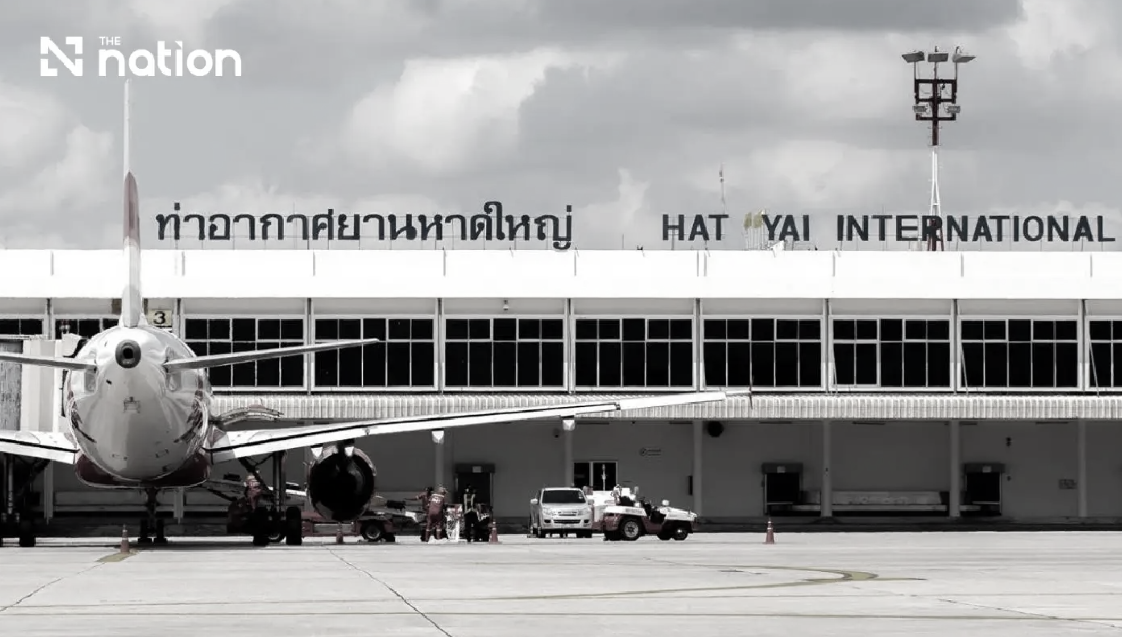
Hat Yai International Airport in Thailand's Songkhla province experienced significant operational disruption on Wednesday afternoon after an airport fire engine became involved in an accident on Runway 26, prompting authorities to temporarily suspend all landing operations on that critical airfield until the situation could be safely managed. The incident created immediate headaches for airlines and passengers, with multiple flights unable to proceed with their scheduled landings.
Officials at the southern Thai airport issued a formal NOTAM—a Notice to Airmen, the standard aviation alert system—declaring Runway 26 out of service from 1.55pm until 4.30pm on June 17. During this three-and-a-half-hour window, no aircraft could safely touch down at the facility, effectively halting the airport's capacity to receive incoming traffic. The decision reflected the airport's commitment to prioritising safety over operational continuity, a stance widely accepted in aviation regardless of the commercial pressures involved.
The closure meant that airlines operating services to Hat Yai faced immediate decisions about rerouting their flights. Rather than circling the airport and burning fuel while waiting for the runway to reopen, flight crews received instructions to divert their aircraft to alternative destinations. Krabi Airport, located in the neighbouring Phang Nga province, became the primary receiving airport for these diverted services, situated roughly 150 kilometres northwest of Hat Yai and capable of accommodating the rerouted traffic.
Flight-tracking data from Flightradar24, the publicly accessible aviation monitoring service, confirmed that at least two scheduled services were forced to alter their routing that afternoon. Thai Airways International flight TG263, a regular service on this route, along with Thai Lion Air's SL712 flight, both received rerouting instructions and proceeded to land at Krabi instead of their originally planned destination. The diversions likely added several hours to passenger journey times and created logistical challenges for ground operations at both airports.
For travellers aboard these affected flights, the disruption extended beyond mere inconvenience. One passenger's family member, travelling on TG263, prompted their relative to contact Hat Yai Airport directly to understand what had occurred. The airport acknowledged that an emergency situation had unfolded but initially declined to elaborate on specifics, a cautious approach common when incidents are still unfolding or under investigation. The opacity heightened passenger anxiety, though it may have reflected genuine uncertainty about the fire engine accident's full scope.
The situation eventually resolved without major incident. Thai Airways flight TG263 successfully completed its landing at Krabi Airport, allowing passengers to disembark and continue their journeys, albeit with substantial delays to their original schedules. The safe landing at the alternate airport demonstrated the effectiveness of Thailand's aviation diversion protocols, which are designed precisely to handle runway emergencies and other operational disruptions.
From a regional perspective, this incident highlights vulnerabilities in Southeast Asia's aviation infrastructure. Hat Yai Airport serves as a critical transport hub for southern Thailand, handling traffic from Malaysia, Singapore, and beyond. When single runways become unavailable, particularly for extended periods, the ripple effects cascade throughout the regional aviation system, affecting multiple airlines and thousands of passengers across interconnected flight networks. For Malaysian travellers, especially those using Hat Yai as a gateway to southern Thailand, such disruptions can derail carefully planned itineraries.
The involvement of airport emergency equipment in causing a runway closure presents an unusual but not unprecedented scenario. Fire engines and other emergency vehicles operate on active runways during incidents, creating inherent risk despite strict protocols. This accident underscores the complex safety environment at operating airports, where multiple vehicle types must coordinate operations in high-stakes environments.
Airline passengers affected by such disruptions face cascading consequences including missed connections, hotel accommodation costs, meal vouchers, and compensation obligations under various aviation regulations. Thai Airways and Thai Lion Air would have activated their disruption management procedures, though the speed and adequacy of their passenger communication during the afternoon closure remains unclear from available reports. Modern travellers increasingly expect real-time updates and transparent information from airlines during operational disruptions.
The incident also raises questions about ground operations management and vehicle safety protocols at Hat Yai Airport. While fire engines must operate on runways during emergencies, standard procedures typically minimise their presence on active taxiways and landing areas when possible. Investigations into how the accident occurred would likely examine whether standard safety procedures were followed and whether additional safeguards might prevent recurrence.
Hat Yai Airport's ability to restore full operations within the designated timeframe demonstrated effective incident management and physical clearing of the affected runway. The airport successfully balanced immediate operational pressures against safety imperatives, prioritising risk mitigation even though it meant accepting significant disruption to scheduled services. This conservative approach, while costly in the short term, aligns with international aviation safety standards and best practices.
Looking forward, the incident serves as a reminder for regional travellers and airlines to maintain flexibility when transiting through smaller regional airports. While Hat Yai generally operates smoothly, unexpected disruptions can occur, making travel insurance and schedule buffers valuable investments. For Malaysian business travellers and tourists using Hat Yai as an entry point to Thailand, awareness of such potential disruptions should inform trip planning.