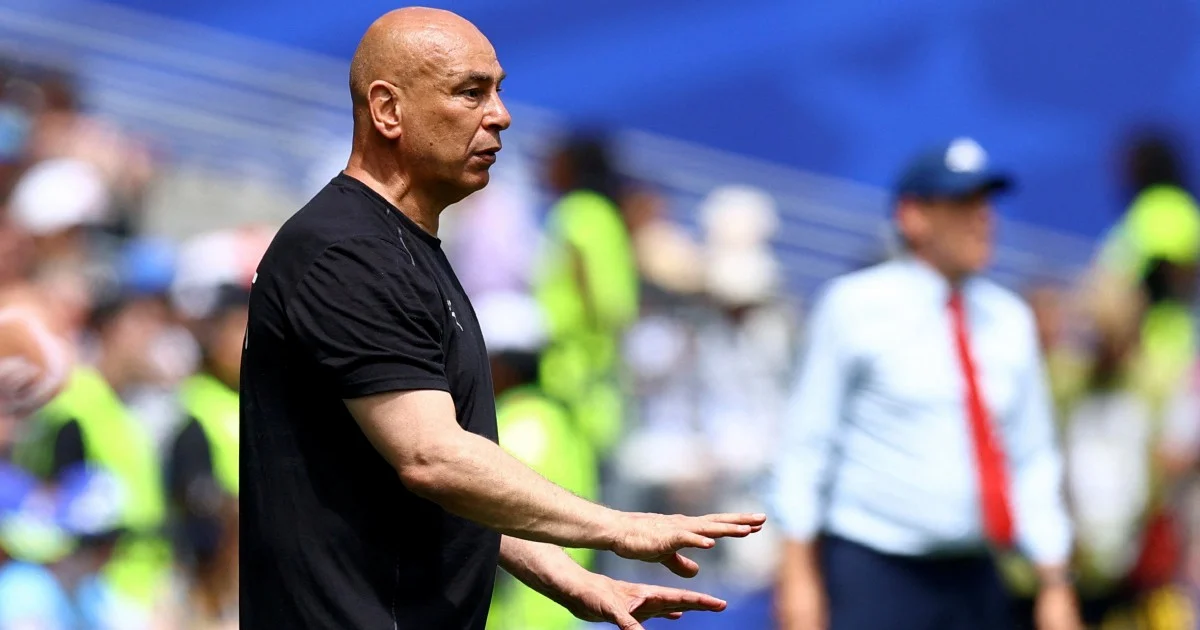
Egypt's technical director Hossam Hassan has moved swiftly to extinguish mounting speculation about internal tensions within the squad, particularly regarding the involvement of superstar Mohamed Salah. Speaking ahead of the team's pivotal World Cup Group G encounter against New Zealand at BC Place in Vancouver on Sunday, Hassan rejected suggestions that discord has taken root in the Egyptian camp. His public statement underscores the critical importance of maintaining squad cohesion as Egypt pursues what would represent a landmark achievement in the tournament's history.
The emergence of such rumours at a delicate stage of the competition underscores the intense scrutiny surrounding Egypt's campaign. With Salah as the focal point of the team's attacking aspirations, any hint of instability involving the world-class attacker carries substantial implications for Egypt's prospects. Hassan's categorical denial aims to project confidence outward while signalling to the squad that internal focus must remain unwavering. The timing of these reassurances reflects a calculated effort to control the narrative and shield players from distracting external noise during a period when mental fortitude becomes as important as technical proficiency.
Egypt's journey to this juncture has been marked by considerable expectation and pressure. As one of Africa's football superpowers, the Pharaohs carry the weight of continental aspirations alongside their own ambitions to advance from the group stage. The team's trajectory through qualifying demonstrated their capacity to compete at the highest level, yet consistency has often eluded them when facing the world's elite sides. This particular fixture against New Zealand takes on heightened significance because it represents an opportunity to secure points against an opponent that, on paper, represents an achievable challenge within a competitive group.
Mohamed Salah's role within this context cannot be overstated. The Liverpool forward remains Egypt's most potent attacking instrument and their primary creator of goalscoring opportunities. Any fractionalisation involving a player of his calibre would inevitably compromise the team's tactical cohesion and creative fluidity. Hassan's intervention therefore serves a dual purpose: reassuring supporters that harmony prevails while simultaneously reinforcing to the squad that questions about unity are baseless and potentially counterproductive. This diplomatic approach reflects the nuances of modern football management, where information control and psychological messaging often prove as decisive as tactical preparation.
The context of Egyptian football reveals why Hassan's words carry particular weight. The nation's supporters maintain passionate investment in their team's performance, and domestic media scrutiny intensifies exponentially during international competition. Speculation about Salah or any prominent player can rapidly gain traction across social media platforms and news outlets, potentially destabilising preparations. By addressing these narratives head-on, Hassan demonstrates tactical awareness extending beyond the playing field into the realm of sports psychology and team management. This proactive approach signals leadership and intent to maintain focus on the collective objective.
For Malaysian and Southeast Asian observers, Egypt's campaign offers several points of interest. The region maintains growing connections to African football, with increasing exposure through streaming platforms and international coverage. Egypt represents a traditional powerhouse facing contemporary challenges from emerging nations, a dynamic that resonates across developing football nations. Furthermore, the broader World Cup narrative encompasses questions about competitive balance, the performance of non-traditional powers, and how established football nations adapt to evolving global standards. Egypt's fortunes contribute meaningfully to these broader conversations.
The New Zealand encounter represents a genuine test of Egypt's credentials and resilience. The Oceania representatives, though historically less prominent in global football hierarchies, have demonstrated improved competitiveness in recent years. Hassan's team cannot afford complacency or mental lapses, particularly if speculation about internal tensions has sown any seeds of doubt. The squad's response on the pitch will ultimately provide the most compelling statement regarding their actual state of cohesion and focus. A convincing victory would definitively silence critics and suggest Hassan's assertions about squad harmony reflect genuine reality.
Egypt's broader group contains formidable opponents, making the New Zealand clash strategically positioned as a match where dropping points would constitute a significant setback. The competition structure means that early performances disproportionately influence group progression scenarios. Hassan's confidence in denying internal discord becomes particularly consequential when examined through this prism of group-stage mathematics and the limited opportunities for teams to recover from disappointing results. Each match carries amplified significance, and teams cannot afford to enter contests hamstrung by uncertainties about player relationships or morale.
The coach's statement also reflects evolving expectations within Egyptian football regarding leadership and communication. Modern squad management increasingly emphasises transparency and clear messaging to players, staff, and supporters. Hassan's willingness to address speculation directly rather than deflect or remain silent suggests a coaching approach centred on accountability and openness. This contrasts with historical patterns in football where silence or evasiveness sometimes characterised responses to sensitive questions. The shift represents broader professionalisation within football administration and coaching methodology.
As preparations intensify for Sunday's match, the spotlight will inevitably focus on how Egypt responds both tactically and temperamentally. Hassan's assertions will either be vindicated by a composed, cohesive performance or potentially contradicted if signs of discord emerge through play or body language. The squad faces an opportunity to transform speculation into irrelevance through focused application and positive results. For Egypt's supporters and the wider African football community, the team's performance against New Zealand will resonate far beyond Vancouver, contributing meaningfully to assessments of the continent's competitive standing and Egypt's capacity to compete with elite international sides.
%22%2F%3E%3C%2Fpattern%3E%3C%2Fdefs%3E%3Crect%20width%3D%22100%25%22%20height%3D%22100%25%22%20fill%3D%22url(%23ph1cimrg)%22%2F%3E%3Crect%20width%3D%22100%25%22%20height%3D%22100%25%22%20fill%3D%22url(%23ph1cimrp)%22%2F%3E%3Ctext%20x%3D%2250%25%22%20y%3D%2250%25%22%20text-anchor%3D%22middle%22%20dominant-baseline%3D%22central%22%20fill%3D%22rgba(255%2C255%2C255%2C0.95)%22%20font-family%3D%22Georgia%2C%20'Times%20New%20Roman'%2C%20serif%22%20font-weight%3D%22700%22%20font-size%3D%22194%22%20letter-spacing%3D%22-0.02em%22%3ETakaful%3C%2Ftext%3E%3C%2Fsvg%3E)