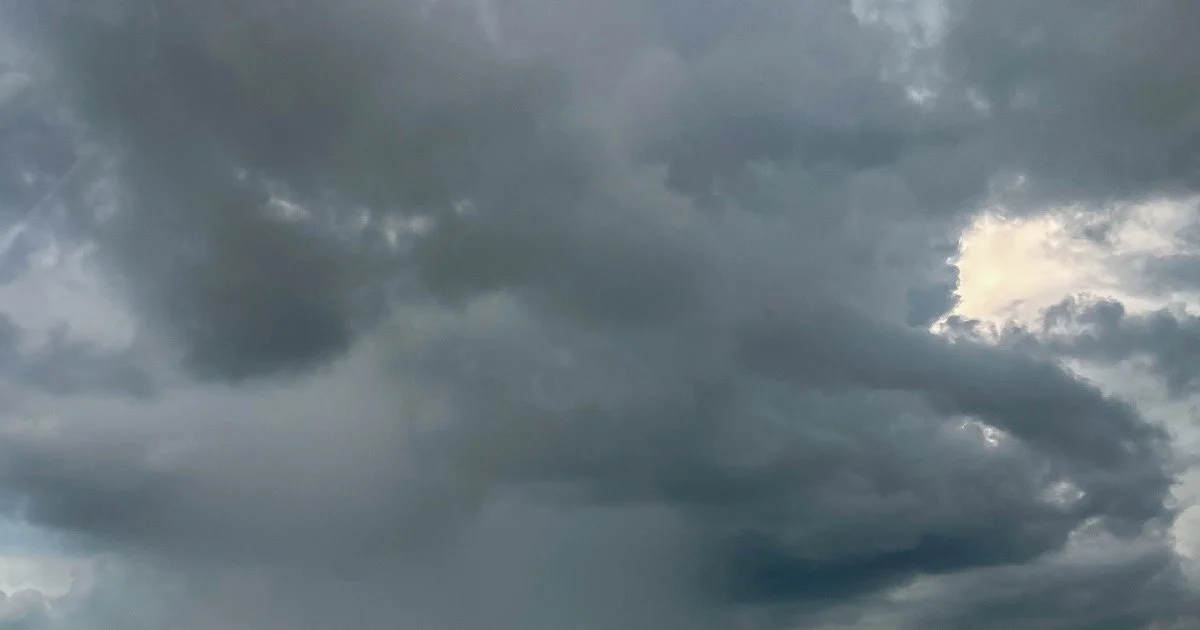
Residents across four northern Malaysian states face severe weather conditions this morning, with the Malaysian Meteorological Department issuing a formal thunderstorm warning that is expected to persist until midday. The alert encompasses heavy rainfall and potentially dangerous wind gusts, prompting authorities to advise precautionary measures for the affected populations.
MetMalaysia's latest advisory highlights the intensity of atmospheric conditions currently developing across the northern corridor of Peninsular Malaysia. The department has identified specific geographic zones where thunderstorm activity is most concentrated, with meteorologists tracking the systems' progression throughout the morning hours. The warning period concluding at 12pm suggests the weather systems are expected to weaken or move inland as thermal conditions stabilise during the midday heating cycle.
Heavy rain accompanying these thunderstorms poses several operational challenges for the affected states. Flash flooding remains a significant risk in low-lying areas, flood-prone zones, and areas with poor drainage infrastructure. Residents and local authorities are reminded to remain vigilant regarding water levels in vulnerable localities, particularly near rivers, streams, and drainage systems that may rapidly exceed capacity during periods of intense precipitation.
Strong winds associated with these thunderstorm clusters present additional hazards to the public. Wind gusts can compromise structural integrity of temporary structures, dislodge loose roof materials, and topple trees or unstable outdoor installations. Motorists traversing highways in the affected regions should exercise heightened caution, as sudden wind bursts can destabilize vehicles, particularly larger vehicles or those towing loads. Reduced visibility from heavy rain further complicates road safety conditions.
The Malaysian Meteorological Department recommends that residents in the four northern states avoid unnecessary outdoor activities during the warning period. Those who must travel should exercise extreme caution and remain alert to rapidly changing weather conditions. Drivers should reduce speed, increase following distances, and activate hazard lights during the heaviest rainfall periods. Public transport operators may experience delays due to weather-related safety protocols.
Business and economic activity in affected areas may experience disruptions as a consequence of this severe weather pattern. Outdoor construction sites typically suspend operations during thunderstorm warnings to protect worker safety. Agricultural activities, particularly in regions reliant on rain-fed cultivation, could benefit from accumulated moisture, though excessive rainfall may temporarily waterlog fields and impede harvest operations. Commercial enterprises should prepare contingency plans for potential supply chain disruptions in the affected states.
For Southeast Asian context, such thunderstorm systems are characteristic of the region's tropical climate, particularly during monsoon transition periods. Malaysia's position near the equator creates atmospheric conditions conducive to afternoon and morning convective activity, with warm, moist air masses colliding with frontal systems or topographic features. Understanding these weather patterns is essential for regional development planning and disaster preparedness frameworks.
Residents should maintain awareness of official updates from MetMalaysia throughout the morning, as weather systems can occasionally intensify or persist beyond initial forecasts. Social media platforms and Malaysian Meteorological Department's official channels provide real-time updates and alerts. Local governments and state disaster management agencies may activate emergency response protocols if conditions warrant intervention in vulnerable communities.
The convergence of heavy rainfall and strong winds during thunderstorm events creates compound risks that require coordinated response strategies. Firefighting and rescue services should maintain heightened readiness for potential weather-related emergencies, including motor vehicle accidents, structural damage calls, and flash flooding incidents. Hospital emergency departments typically anticipate increased patient volumes during severe weather events, particularly injuries sustained from wind-related incidents or weather-related accidents.
As tropical weather systems evolve rapidly, the effectiveness of early warning systems like MetMalaysia's thunderstorm alerts depends on public awareness and appropriate response behaviour. Communities with established disaster preparedness protocols and educated populations tend to experience fewer weather-related casualties during severe weather events. Continued investment in meteorological infrastructure and public education regarding severe weather hazards strengthens regional resilience.
The noon deadline for this particular warning reflects meteorological expectations regarding diurnal heating cycles and atmospheric pressure evolution. However, residents should remain prepared for localized variations, as some areas may experience lingering showers or isolated thunderstorms after the official warning period concludes. Weather-related caution should extend throughout the day as atmospheric conditions gradually stabilise.
%22%2F%3E%3C%2Fpattern%3E%3C%2Fdefs%3E%3Crect%20width%3D%22100%25%22%20height%3D%22100%25%22%20fill%3D%22url(%23ph29wsrg)%22%2F%3E%3Crect%20width%3D%22100%25%22%20height%3D%22100%25%22%20fill%3D%22url(%23ph29wsrp)%22%2F%3E%3Ctext%20x%3D%2250%25%22%20y%3D%2250%25%22%20text-anchor%3D%22middle%22%20dominant-baseline%3D%22central%22%20fill%3D%22rgba(255%2C255%2C255%2C0.95)%22%20font-family%3D%22Georgia%2C%20'Times%20New%20Roman'%2C%20serif%22%20font-weight%3D%22700%22%20font-size%3D%22272%22%20letter-spacing%3D%22-0.02em%22%3EAnwar%3C%2Ftext%3E%3C%2Fsvg%3E)