A landmark educational collaboration between the Johor State Government and Harvard University is set to transform learning experiences for 100 secondary school students across two institutions in the state. The partnership centres on the Program for Scientifically-Inspired Leadership (PSIL), a framework designed by the prestigious American university to cultivate scientifically literate leaders equipped with contemporary skills for the modern workforce. Implementation is expected to commence in January 2027, with participants drawn from Sekolah Menengah Kebangsaan Tasek Utara and Sekolah Menengah Kebangsaan Seri Kota Puteri 2, both operating under the Sekolah Rintis Bangsa Johor (SRBJ) initiative.
According to Aznan Tamin, chairman of the Johor State Education and Information Committee, PSIL represents a comprehensive approach to student development established by Harvard in 2019. The programme prioritises four interconnected pillars: active learning methodologies that engage students beyond traditional classroom instruction, critical thinking capacities that enable analytical problem-solving, effective communication skills spanning written and verbal domains, and structured leadership development preparing students for future responsibilities. These elements align closely with global educational trends emphasising competency-based learning over rote memorisation, positioning participating students at a competitive advantage in tertiary education and career pathways.
Beyond the direct student cohort, the initiative extends significant benefits to the teaching workforce. A total of 40 educators from SRBJ will participate in dedicated active learning pedagogy workshops conducted through the partnership. This investment in teacher development reflects recognition that sustainable educational transformation depends on empowering educators with contemporary instructional techniques. The workshops are designed to equip instructors with strategies for cultivating more interactive and creative classroom environments, thereby establishing conditions where students thrive through engagement rather than passive reception of content.
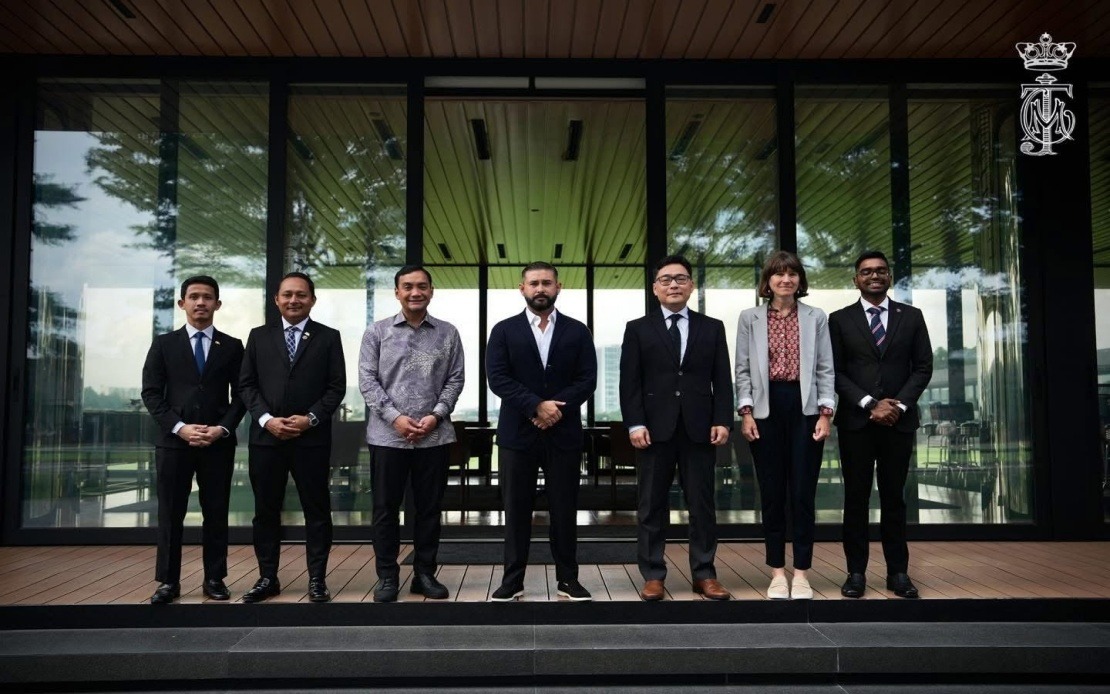
The partnership gained formal momentum during a recent visit to Johor by Harvard representatives, including Dr Dominic Mao, assistant director of Undergraduate Studies and Lecturer in Molecular and Cellular Biology, and Dr Andrea Wright, assistant dean of Harvard College. The delegation met with Tunku Mahkota Ismail, Regent of Johor, underscoring the high-level political commitment to the initiative. This engagement signals recognition at the highest levels of state leadership that international educational partnerships constitute strategic investments in human capital development, essential infrastructure for economic competitiveness in an increasingly knowledge-driven global economy.
The SRBJ framework within which this collaboration operates reflects deliberate policy choices regarding language, curriculum emphasis, and assessment standards. The initiative maintains commitment to English language proficiency without displacing Malay language instruction, acknowledging Malaysia's multilingual reality and the practical necessity for students to function effectively in both national and international contexts. Simultaneously, SRBJ prioritises strengthening across science, technology, engineering and mathematics disciplines, recognising these fields as engines of innovation and economic growth.
Personality development and student marketability constitute explicit focal points for SRBJ, addressing stakeholder concerns that academic achievement alone proves insufficient for workforce readiness. Employers increasingly value soft skills including collaboration, adaptability, and emotional intelligence alongside technical competencies. By integrating these dimensions throughout the PSIL programme, participating students develop holistic capabilities extending beyond subject matter mastery to encompass interpersonal effectiveness and professional preparedness.
The initiative incorporates competency assessments calibrated to international standards, enabling meaningful comparison of student achievement with global benchmarks. This approach serves multiple functions: it provides diagnostic data regarding areas requiring reinforcement, it certifies achievement in terms recognisable to overseas universities and international employers, and it aligns with Ministry of Education directives emphasising standards-based educational outcomes. For Malaysian students aspiring to pursue tertiary studies abroad or secure positions in multinational organisations, such internationally-recognised assessments substantially enhance credibility and opportunity.
For Johor specifically, the Harvard partnership represents a distinctive positioning within Malaysia's educational landscape. While other states pursue various international collaborations, the depth and breadth of the PSIL engagement—combining student curriculum innovation with comprehensive teacher professional development—distinguishes this initiative. The programme offers Johor youth exposure to learning methodologies and content frameworks developed through decades of research and practice at one of the world's most influential educational institutions. This international exposure, increasingly valuable in a globalised world, expands horizons and demonstrates to participants that excellence in education transcends local or national boundaries.
The timing and scale of implementation reflect considered planning. Rather than attempting immediate system-wide rollout that could strain administrative capacity and dilute quality, the pilot approach targeting 100 students across two schools allows for rigorous evaluation, iterative refinement, and evidence-based scaling decisions. This methodical progression increases probability of sustainable success and provides valuable lessons applicable to broader educational policy development in Johor and potentially across Malaysia.
The broader implications of this partnership extend beyond immediate beneficiaries. Successful implementation generates knowledge and practical experience regarding international university collaborations that state and national education authorities can leverage for future partnerships. Teachers and students who participate become ambassadors for international learning approaches, potentially influencing institutional cultures and practices more broadly. The partnership also strengthens Malaysia's reputation as an attractive destination for educational partnerships, positioning the country competitively within regional competition for international engagement and positioning Johor as a progressive hub for educational innovation.