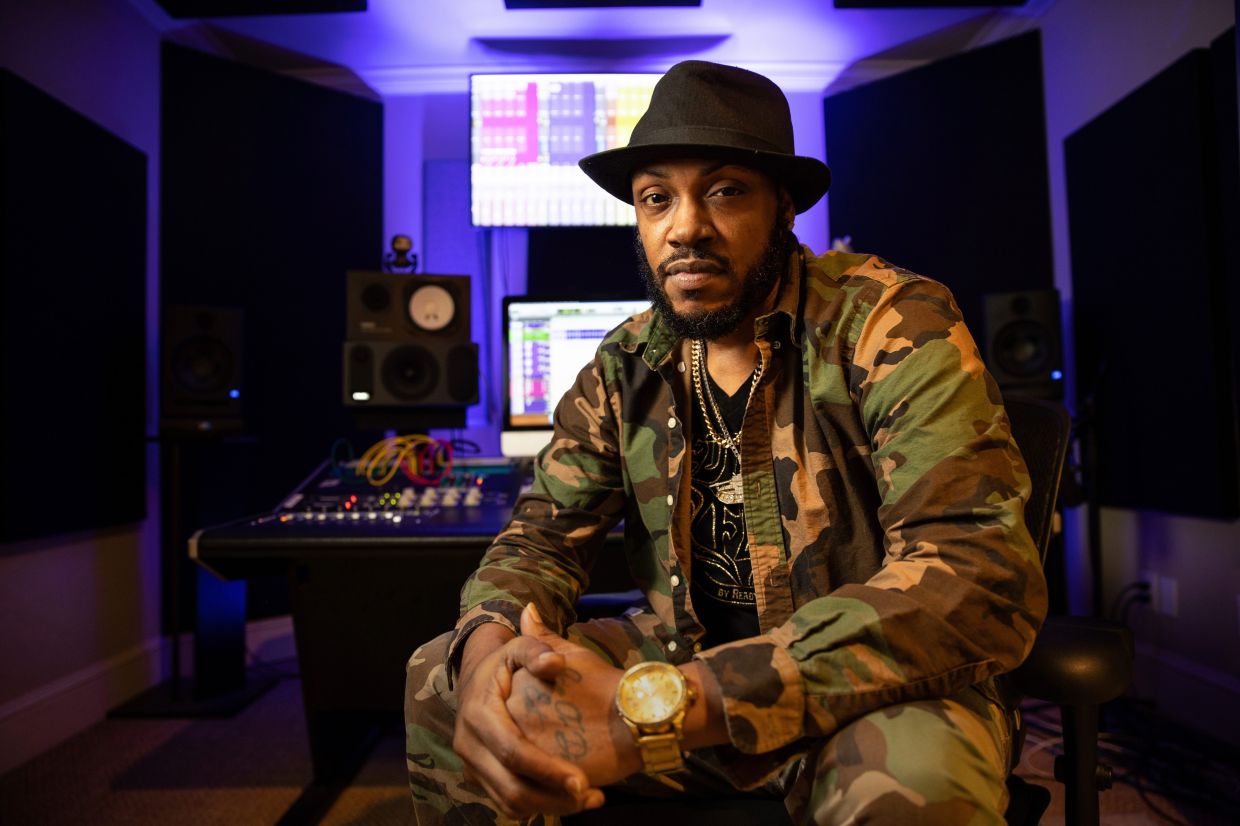
The career of once-celebrated American rapper Mystikal has taken a dramatic turn with a 20-year prison sentence imposed this week for sexually assaulting a woman at his Louisiana residence in 2022. The conviction marks a severe blow to the entertainer, whose real name is Michael Lawrence Tyler, and represents a downfall for someone who had achieved significant commercial success during the early 2000s with multiple Grammy Award nominations to his name.
Tyler's legal outcome was shaped by a plea agreement reached in March that significantly reduced potential consequences he might have faced. He entered a guilty plea to third-degree rape, which carried a sentencing cap of 20 years. This arrangement was crucial in his case because the charge was originally filed as first-degree rape, which under Louisiana law carries an automatic life sentence with no possibility of parole. By negotiating the reduction, his legal team effectively prevented him from facing a lifetime behind bars.
In a dramatic twist just days before Tuesday's sentencing hearing, Mystikal attempted to withdraw his guilty plea. Through court filings, he claimed he "did not have sufficient opportunity to fully consider the consequences" of his admission, according to reports from ABC affiliate WBRZ. The attempted reversal came too late, however, and the judge proceeded with sentencing based on the existing plea agreement. The last-minute maneuver underscored tension surrounding the case and suggested possible regret over the guilty plea decision.
The impact of the crime on the victim was detailed in emotional testimony delivered directly to the court during the sentencing hearing. The woman described a violent assault at Mystikal's home in Prairieville, located approximately 29 kilometres from Baton Rouge in the heart of Louisiana's capital region. According to her account, the rapper had punched her, choked her, pulled out her braids, and forcibly raped her during the incident. She subsequently urged the judge to impose the maximum possible sentence, seeking accountability for the trauma she had endured.
Mystikal's response to the victim's statement, as reported by local media, revealed a striking moment of acknowledgment. "If I did that to you, I deserve the max sentence," he reportedly told the court. The statement appeared to validate the victim's allegations and the severity of her experience, though it came as he faced a sentence slightly below the maximum threshold allowed under his plea agreement.
Since his arrest in 2022 following the alleged assault, Mystikal has remained incarcerated at the Ascension Parish Jail without the possibility of bail. The extended period of detention prior to sentencing meant he spent nearly two years in custody awaiting the resolution of his case, unable to secure release despite having access to legal representation.
This conviction is not Mystikal's first brush with serious criminal charges related to sexual conduct. Two decades earlier, in 2003, he pleaded guilty to sexual battery and received a six-year prison sentence. That same year, despite the conviction, he was nominated for Grammy Awards in two categories, including best rap album. The 2003 incident demonstrated that the rapper's legal troubles have persisted across multiple decades, painting a troubling pattern in his history.
Mystikal's rise to prominence began in the 1990s when he emerged as a distinctive voice in hip-hop, eventually achieving mainstream success during the early 2000s. His most recognizable commercial success came with a major hit released in 2000 that became emblematic of that era of rap music. The musical achievements that earned him Grammy recognition and commercial success now stand in stark contrast to his criminal convictions and imprisonment.
The case carries broader implications for discussions about accountability in the entertainment industry and the treatment of sexual assault victims. The victim's courageous courtroom appearance and advocacy for maximum sentencing highlighted the ongoing impact of such crimes on survivors, while the rapper's initial guilty plea and subsequent attempt to withdraw it illustrated the complex legal dynamics that can characterise sexual assault prosecutions. For Malaysian and regional audiences following international entertainment news, the case serves as a reminder that consequences for serious crimes extend beyond reputational damage to include substantial prison time, particularly when victims persistently seek justice through the legal system.
The rapper's legal team has not yet issued public statements responding to the sentencing or discussing potential appeal options. The extended prison sentence effectively removes Mystikal from the entertainment landscape for the foreseeable future, marking an end to a career that once promised significant longevity in the music industry. His fall from Grammy-nominated status to long-term incarceration underscores the irreversible consequences that serious criminal convictions can impose on public figures, regardless of their previous achievements or cultural significance.


