%22%2F%3E%3C%2Fpattern%3E%3C%2Fdefs%3E%3Crect%20width%3D%22100%25%22%20height%3D%22100%25%22%20fill%3D%22url(%23ph1qfu3g)%22%2F%3E%3Crect%20width%3D%22100%25%22%20height%3D%22100%25%22%20fill%3D%22url(%23ph1qfu3p)%22%2F%3E%3Ctext%20x%3D%2250%25%22%20y%3D%2250%25%22%20text-anchor%3D%22middle%22%20dominant-baseline%3D%22central%22%20fill%3D%22rgba(255%2C255%2C255%2C0.95)%22%20font-family%3D%22Georgia%2C%20'Times%20New%20Roman'%2C%20serif%22%20font-weight%3D%22700%22%20font-size%3D%22136%22%20letter-spacing%3D%22-0.02em%22%3EGovernment%3C%2Ftext%3E%3C%2Fsvg%3E)
The Prime Minister's Department (Religious Affairs) is rolling out an ambitious new programme designed to ensure that the intellectual contributions of prominent Islamic scholars reach well beyond university halls and specialist circles. The Maal Hijrah Lecture Series represents a deliberate shift in strategy, moving from what has traditionally been a more insular academic ecosystem towards public engagement across diverse Malaysian communities.
Minister in the Prime Minister's Department (Religious Affairs) Dr Zulkifli Hasan articulated the rationale for this initiative at the official launch of the Maal Hijrah 1448H/2026 Lecture Series in Putrajaya. The government recognises that restricting the wisdom and intellectual frameworks of nationally and internationally acclaimed Islamic scholars to confined professional spaces undermines the potential for broader societal benefit. By repositioning these thinkers as public intellectuals rather than specialists speaking only to their peers, the ministry hopes to cultivate a more informed and engaged citizenry.
The initiative addresses a persistent challenge in knowledge dissemination within Malaysia's Islamic intellectual community. Dr Zulkifli highlighted that without deliberate intervention, significant scholarly contributions risk remaining siloed within academic institutions or accessible only to narrow professional networks. The government's intervention signals recognition that democratic societies benefit when intellectual leaders can communicate directly with citizens across all educational and social backgrounds, fostering a culture of informed religious discourse.
Early institutional reception has been encouraging. Both Universiti Sains Islam Malaysia (USIM) and International Islamic University Malaysia (IIUM) have endorsed the concept and committed to collaborative participation. This academic buy-in is strategically important, as universities possess the infrastructure, credibility, and audience networks necessary to amplify the lecture series' reach. The partnership approach also legitimises the programme within Malaysia's higher education ecosystem, where such initiatives must navigate both religious and secular institutional frameworks.
Plans to expand beyond these initial partners indicate the government's ambitions for scaling the programme. By recruiting additional universities and research institutions across the country, the lecture series could potentially establish a distributed network for scholarly dissemination. This geographic and institutional diversification would help ensure that Islamic intellectual thought becomes accessible in major cities, regional centres, and smaller communities alike, rather than remaining concentrated in Kuala Lumpur or other major metropolitan areas.
The initiative carries implications that extend beyond religious circles. Dr Zulkifli's expressed hope that these lectures will appeal to non-Muslim audiences as well suggests an understanding that Islamic scholarship often addresses universal human concerns—ethics, justice, social responsibility, and philosophical inquiry. In a pluralistic society like Malaysia, where religious understanding directly impacts intercommunal harmony, creating opportunities for cross-religious intellectual exchange through these lectures could contribute to broader social cohesion and mutual respect.
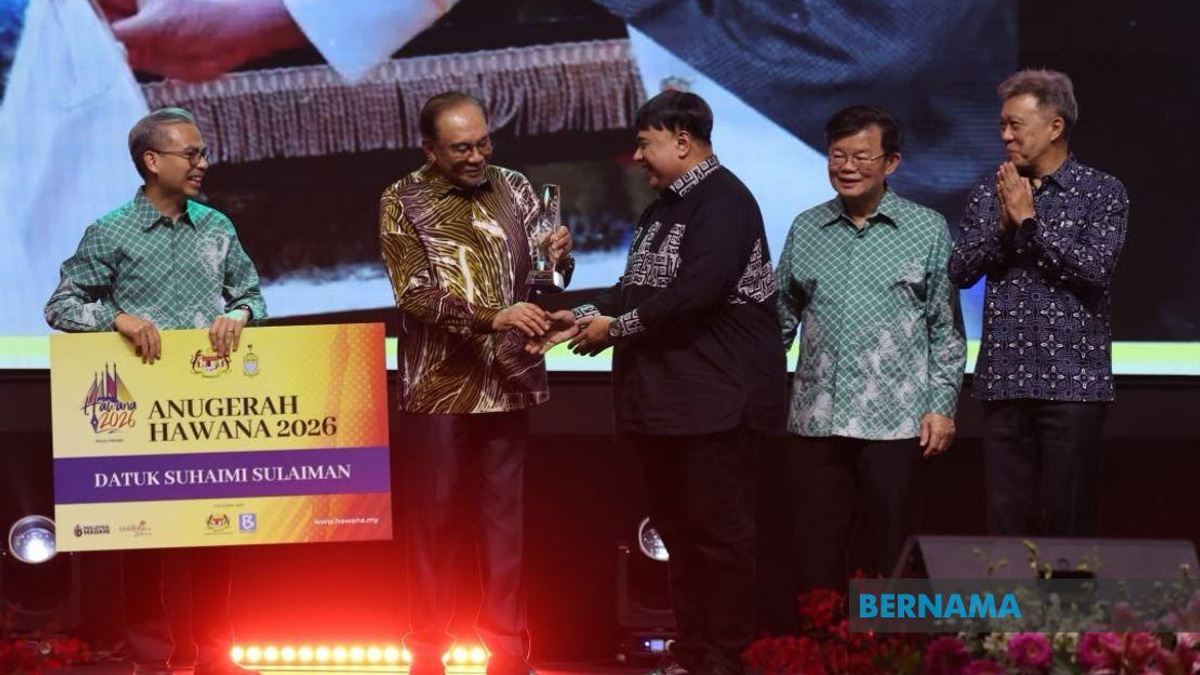
Two scholars were honoured at the launch ceremony, marking the inaugural recognition under this new framework. Emeritus Professor Osman Bakar, rector of IIUM, received designation as the national Maal Hijrah figure, while Prof Sheikh Dr Ahmad Al-Raysuni of Morocco earned the international award. These selections underscore the government's interest in celebrating both local expertise and international Islamic scholarship, suggesting that the lecture series will feature perspectives from diverse Islamic traditions and geographical contexts rather than limiting itself to Malaysian voices alone.
The presentation of awards by Sultan Nazrin Shah of Perak at the preceding national-level Maal Hijrah 1448H/2026 celebration at Masjid Putra added ceremonial weight to the programme. By incorporating royal patronage and formal state recognition, the government has signalled that this initiative carries institutional legitimacy and political priority. The presentation of cash prizes, trophies, and certificates of appreciation alongside academic acknowledgment emphasises that scholarly contribution to public intellectual life carries both honour and material recognition in Malaysia's value system.
Prof Ahmad Al-Raysuni's presence particularly illustrates the international dimension of this endeavour. His expertise in Islamic jurisprudence and his Moroccan heritage reflect growing recognition within Malaysian policymaking circles that Islamic intellectual traditions span multiple continents and schools of thought. Inviting such figures to engage with Malaysian audiences positions the country as a hub for serious Islamic intellectual discourse, potentially elevating Malaysia's regional profile in the Islamic world beyond its current positioning.
The timing of the Maal Hijrah celebration—marking the Islamic calendar's new year—provides an appropriate symbolic framework for launching an initiative centred on renewal and intellectual regeneration. The religious connotations of Maal Hijrah, rooted in the Prophet Muhammad's migration and fresh beginnings, align thematically with introducing new frameworks for knowledge sharing and public engagement with Islamic thought.
For Malaysian readers and broader Southeast Asian audiences, this initiative reflects evolving approaches to religious governance in the region. Rather than restricting religious discourse to institutional authorities or limiting it through regulatory constraints, the Malaysian government is attempting to stimulate intellectual vitality by creating platforms for scholarly voices. This represents a different model from both purely secular approaches to knowledge dissemination and more restrictive religious governance frameworks, potentially offering lessons for other Muslim-majority nations seeking to balance institutional authority with intellectual freedom.
The success of the Maal Hijrah Lecture Series will likely depend on several practical factors beyond the current policy announcement. Accessibility of lectures through multiple formats—in-person, broadcast, and digital platforms—will determine whether the stated ambition to reach all societal levels can materialise. Equally important will be ensuring that lecture content remains intellectually substantive while remaining comprehensible to general audiences, avoiding the risk of oversimplification that could undermine the credibility of participating scholars.
Looking forward, this initiative may establish a template for how Malaysian religious institutions engage with public intellectual discourse. If effectively implemented, the Maal Hijrah Lecture Series could demonstrate that state support for religious scholarship need not imply censorship or control, but rather can facilitate the kind of open intellectual exchange that strengthens both religious understanding and democratic civic culture across diverse Malaysian communities.