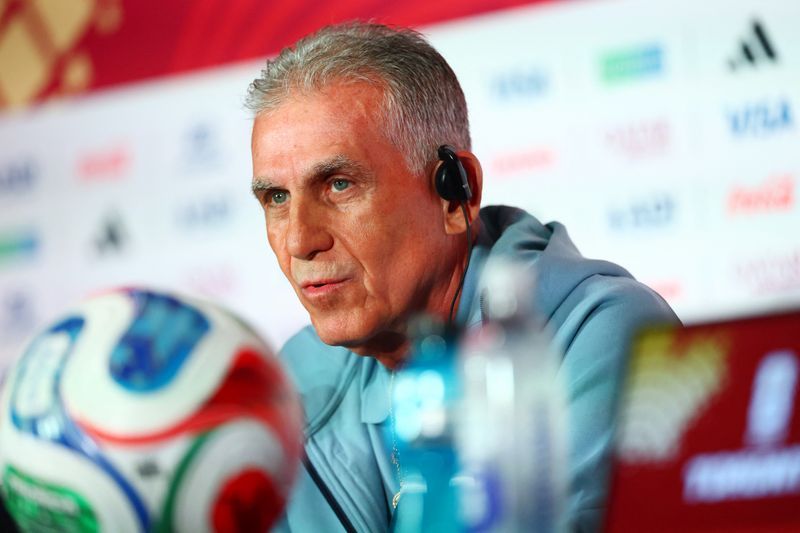
Ghana's coaching staff has signalled unwavering confidence ahead of their World Cup showdown with Panama, declaring the team equipped to compete at full strength or with key personnel sidelined, as a complex legal matter threatens to disrupt their campaign. Coach Carlos Queiroz made the remarks on Tuesday, hours after Canadian federal court convened to hear an appeal challenging the country's earlier decision to bar midfielder Thomas Partey from entering the nation. The match itself is scheduled for Wednesday at Toronto Stadium, creating an unusually tight timeline for a resolution that carries significant implications for both sides.
Partey's absence would represent a notable loss for the West African outfit. The Villarreal midfielder has been performing at a high level in European football and typically anchors Ghana's midfield with his athleticism and technical ability. However, the player faces serious allegations of rape and sexual assault in Britain, which he has steadfastly denied. The criminal accusations, pending resolution through the British legal system, formed the basis of Canada's initial refusal to grant entry, raising questions about how nations coordinate on security and character clearance matters during international sporting events.
Queiroz adopted a pragmatic stance when addressing the situation, indicating that strategic planning had already proceeded on multiple fronts. "We have our plan settled," the veteran coach declared, making clear that contingency arrangements were in place regardless of whether the appeal succeeded. The Portuguese tactician, at 73 years old, refrained from elaborating on the allegations themselves, brushing aside further questions with a curt dismissal. His framing of the situation as a distraction from football suggested an attempt to compartmentalise the controversy and maintain focus on the sporting contest ahead.
The coach's approach reflected a common institutional strategy in professional football when facing off-field complications: minimising public commentary while concentrating energy on controllable factors. Queiroz emphasised that his responsibility lay in deploying the squad he had available, rather than dwelling on circumstances beyond his immediate influence. This mentality, while perhaps pragmatic for media management, highlighted the tension between sporting competition and the broader societal issues that occasionally intersect with elite football.
Ghana's assessment of their opponents demonstrated careful tactical preparation. Queiroz characterised Panama as a well-organised outfit possessing considerable tournament experience, suggesting he had thoroughly studied their patterns of play and structural approach. Yet rather than portraying the Central Americans as insurmountable, the Ghana coach identified specific vulnerabilities that his squad could exploit. His remarks suggested a team arriving in Canada with detailed scouting reports and strategically calibrated game plans rather than vague confidence.
The tactical outlook Queiroz articulated emphasized Ghana's dimensional strengths across multiple football attributes. He pointed to experience accumulated over years of international competition, technical quality in ball control and decision-making, genuine pace in attacking transitions, and individual skill with the ball at the feet. These represent the traditional building blocks of attacking football, particularly important for African teams that have historically competed through organised counter-attacking and exploitation of space in transition. Queiroz also highlighted Ghana's prowess in direct one-on-one contests, suggesting a team prepared to compete physically while maintaining technical discipline.
Beyond tactical analysis, Queiroz ventured into governance territory when questioned about FIFA's mandatory hydration breaks introduced at the World Cup. These stoppages, designed ostensibly to protect player welfare in difficult climatic conditions, had already generated debate among coaches and players questioning their actual purpose. Queiroz's response carried diplomatic caution, indicating it was premature to comment publicly before the tournament concluded. However, he made clear his intention to examine what he termed an "integrity report" evaluating whether the rule genuinely prioritised athlete health or instead served commercial interests and television scheduling preferences.
This line of questioning touched on persistent criticisms within international football regarding FIFA's decision-making processes and whether governance structures sufficiently prioritise player welfare over commercial considerations. The hydration breaks represented a tangible case study in this larger debate, making Queiroz's call for transparency particularly relevant. For Southeast Asian observers, such governance questions carry resonance given ongoing discussions about sporting integrity and institutional accountability across the region's football competitions.
The timing of Ghana's appeal hearing created unusual pressure, with resolution required within approximately 24 hours before the match commenced. Such compressed timelines are rare in legal proceedings, reflecting the peculiar intersection of international sports competition and national immigration law. Canada's initial decision suggested serious institutional concern about allowing entry to someone facing criminal allegations, yet the appeal process acknowledged potential grounds for reconsideration, whether based on legal technicalities, diplomatic considerations, or other factors.
For Ghana's broader World Cup prospects, the Partey situation represented an early-tournament distraction that coaches would prefer to avoid. World Cup competitions demand intense focus and emotional energy, with external controversies potentially affecting team morale and preparation quality. The squad's ability to compartmentalise and maintain performance regardless of off-field complications would likely determine whether this situation became a defining narrative for their tournament run.
Queiroz's insistence that Ghana possessed adequate resources to succeed against Panama, with or without Partey, conveyed both confidence and realism. This balanced messaging serves important functions: maintaining public confidence in the squad's capabilities while avoiding overconfidence that might lead to tactical complacency. For Ghana, group-stage football means every match carries substantial weight, with progression to knockout rounds far from guaranteed despite their status as tournament participants with international experience and technical talent.