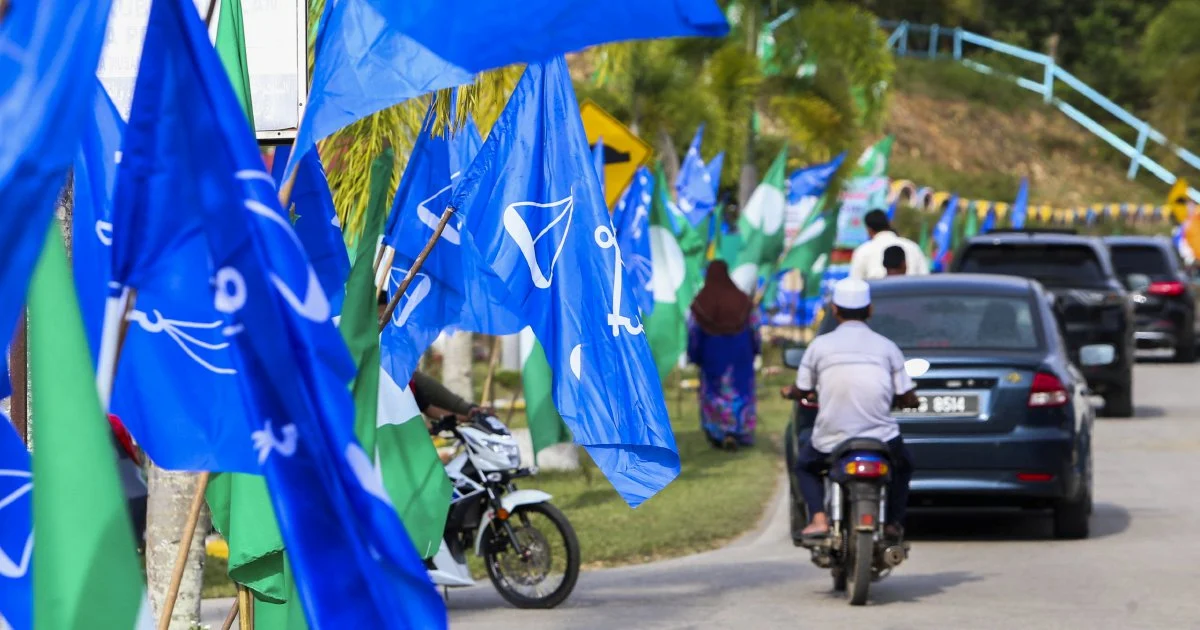
The 16th Malaysian general election is expected to take place somewhere in the final two months of 2024, according to projections from senior PAS leadership. Datuk Mohd Amar Nik Abdullah, who holds the position of vice-president in the Islamist party, has publicly indicated that the coalition government is likely to call for polls between late October and November, marking what would be the nation's next major electoral exercise.
The timing suggested by the PAS figure carries significance for the political landscape, as it would follow the government's annual budget presentation cycle and coincide with the latter part of the parliamentary calendar. Election timing in Malaysia traditionally involves careful coordination with the ruling administration's legislative agenda and economic considerations, and the late-year window would allow the government to demonstrate policy achievements before seeking renewed voter endorsement.
PAS has emerged as a crucial component of Malaysia's ruling coalition structure, particularly following the 2022 general election which fragmented parliamentary dynamics and necessitated complex coalition arrangements. The party's prominence within the federal government coalition gives senior party figures like Nik Abdullah notable insight into cabinet-level discussions around election scheduling, though no official announcement has been made by the Prime Minister's office or the Elections Commission regarding the exact poll date.
From the perspective of Malaysian voters and political observers, the October-November projection aligns with the government's apparent strategy to consolidate its position and seek a clearer mandate from the electorate. The ruling coalition has faced considerable political volatility over the past two years, with shifting alliances and defections creating uncertainty around parliamentary stability. Calling elections within this window would provide the government opportunity to reshape its parliamentary composition and potentially secure stronger negotiating positions for key coalition partners.
The economic implications of election timing warrant consideration as well. A late-2024 poll would occur after government agencies and the central bank have released crucial economic data and growth projections for the year. This positioning would allow the administration to campaign on whatever economic performance metrics are available, whether positive or challenging, and potentially schedule election spending and development announcements strategically.
For opposition parties and independent political observers, the timeline presents both opportunities and constraints. The months between now and potential polls would be critical for campaign preparation, grassroots mobilisation, and public messaging. Opposition coalitions must solidify their own internal agreements and candidate selections to present a coherent alternative to voters, particularly given how fragmented the opposition has become across multiple blocs.
The regional dimension merits attention as well, given that neighbouring Singapore held elections in July 2024 and other Southeast Asian nations face their own electoral cycles. Malaysia's election timeline contributes to broader patterns of political activity across the region and can influence investor sentiment and regional diplomatic engagement. A Malaysian poll in late 2024 would position the country's political transition within a specific moment in regional geopolitics.
Constituencies and state-level dynamics will shape how effectively any October-November election unfolds operationally. The Elections Commission would require sufficient preparation time to address boundary matters, register voters, train poll workers, and implement logistical arrangements across peninsular Malaysia, Sabah, and Sarawak. The timeframe suggested by PAS would theoretically provide reasonable preparation windows, though last-minute elections in Malaysia have occasionally proceeded with compressed timelines.
For Malaysian investors and businesses, election timing creates planning considerations around consumer sentiment, spending patterns, and policy continuity. A late-year poll would occur during the lead-up to festive seasons when consumer activity traditionally peaks, potentially creating economic stimulus effects or uncertainty depending on political messaging and campaign intensity.
The PAS statement, while not representing official government position, carries weight given the party's cabinet representation and coalition standing. However, Malaysian voters should recognise that election dates remain the constitutional prerogative of the Prime Minister, and no binding commitment has been made publicly regarding any specific October-November window. Political timelines can shift due to parliamentary contingencies, economic developments, or strategic recalculations by the ruling leadership.
As the nation moves through 2024, political parties across the spectrum will be calibrating their preparations based on these indications while awaiting formal announcement from the government. The PAS vice-president's remarks effectively signal to stakeholders—internal party members, coalition partners, opposition entities, and the broader business community—that election readiness should be prioritised for the final quarter of the year, even as the specific date remains uncertain.


